



Black Mission Fig Tree
Regular price
$395.00
Size
Enjoy Sweet, Dark Purple Figs Twice a Year with Minimal Care
The Black Mission Fig Tree gives you rich, sweet, homegrown figs without the complexity of many fruit trees. This self-pollinating, self fertile Ficus carica variety can produce two harvests in favorable climates: a potential breba crop in early spring to early summer and a main crop that can begin in mid-summer and continue into late summer, early fall, or fall depending on your climate.
Built for California yards and USDA Hardiness Zones 7 through 10, the black mission fig thrives in full sun, handles dry conditions once established, and delivers delicious fruit for fresh eating, baking, preserves, and cooking.
Why You’ll Love It
-
Two seasonal harvests – Black Mission fig trees are self-pollinating and can produce fruit twice a year, with a potential breba crop in early spring and a main crop in mid-summer; in many California gardens, the harvest can extend from early summer into fall.
-
No second tree required – This mission fig tree is self fertile, so you do not need another fig variety, a pollinator tree, or a fig wasp to produce fruit.
-
Drought tolerant once established – Water management is crucial in the first two years after planting, but established trees require less frequent watering and are an excellent choice for lower-water edible landscapes.
-
Shade, privacy, and fruit in one tree – The tree features large, tropical-looking green leaves that provide dense shade, and the Black Mission fig tree can grow approximately 10 to 30 feet tall and spread up to 30 feet wide, making it suitable for use as a shade tree in backyards alongside other privacy trees and shrubs.
-
Delicious and nutrient-rich figs – The figs feature dark purplish-black skin and a sweet, berry-like flavor, making them suitable for fresh eating, baking, and preserves. Black Mission figs are low in calories, high in fiber, rich in manganese, magnesium, potassium, phosphorus, vitamins K and C, and calcium, and a good source of antioxidants that can help protect the body from oxidative stress.
What Makes It Different
Most fruit trees require more planning: multiple varieties, cross-pollination, heavier watering, or complex seasonal care.
Black Mission Fig Trees are built differently:
-
Self-pollinating performance – Unlike many fruit trees that need cross-pollination, a black mission can produce many figs on its own. That makes it a strong fit for small spaces, single-tree yards, and home gardeners who want abundant harvests without planting multiple trees.
-
Distinctive fruit quality – This mission fig produces sweet fruit with deep purple skin, dark purplish-black skin, and strawberry-red flesh. The flavor is rich, sweet, and berry-like, making each ripe fig a tasty treat eaten fresh, dried, baked, or cooked into preserves.
-
Lower maintenance once established – Fig trees adapt to many poor soil types but require sharp drainage to avoid root rot. Once the root system is established, Black Mission fig trees are drought-tolerant compared with many water-dependent fruit trees.
-
Flexible size control – Black Mission fig trees can grow up to 30 to 40 feet tall and wide if left unpruned, but to maintain a manageable size, Black Mission fig trees can be pruned annually. Dwarf Black Mission fig trees, or those that are pruned, typically reach a height of about 12 to 15 feet.
-
Container growing potential – The Black Mission fig tree can be adapted to container growing, especially in areas with freezing winters, giving you the option to keep a plant in a large pot and move or protect it when winter conditions become harsh.
How It Works
-
Plant in full sun with well drained soil
Choose a location with full sun and sharp drainage. Black Mission fig trees thrive best in full sun, requiring at least 6 to 8 hours of direct sunlight each day for optimal growth and fruit production. The Black Mission fig tree also requires 8 to 10 hours of direct sunlight daily to properly ripen the fruit. Dig a hole wide enough for the root ball, amend the soil with organic matter, set the root ball level with the ground, and backfill carefully to remove air pockets. -
Water regularly while roots establish
Young Black Mission fig trees should be watered regularly, especially during the first two years after planting, to establish a strong root system. Keep the soil evenly moist but not soggy, then add mulch to help protect roots and retain moisture. Established trees are more drought-tolerant and require less frequent watering, though deep watering during fruit development helps keep the crop in good condition and can reduce fruit spoilage from stress. -
Prune, protect, and harvest ripe figs
Pruning Black Mission fig trees is essential for maintaining their shape and health. It is recommended to prune in late winter after the leaves have fallen to remove dead or crossing branches, manage size, and encourage healthy new growth. Wait to harvest until figs are soft, drooping, and fully colored; ripe figs do not improve much after picking, so harvest when the fruit is sweet, rich, and ready to eat.
Tree Details
-
Botanical Type: Common edible fig, Ficus carica ‘Black Mission’
-
Mature Size: The Black Mission fig tree can grow to a height of approximately 10 to 30 feet and can spread up to 30 feet wide; if left unpruned, Black Mission fig trees can grow up to 30 to 40 feet tall and wide
-
Pruned / Dwarf Size: Dwarf Black Mission fig trees, or those that are pruned, typically reach a height of about 12 to 15 feet
-
Growing Zones: The tree thrives best in USDA Hardiness Zones 7 through 10, with protection possible in colder areas and container growing useful where freezing winters occur
-
Sun Requirements: Black Mission fig trees thrive best in full sun, requiring at least 6 to 8 hours of direct sunlight each day for optimal growth and fruit production; 8 to 10 hours of direct sunlight daily helps properly ripen the fruit
-
Soil Requirements: These trees prefer well-drained soil that is rich in organic matter; amending the soil before planting can help create a suitable environment for growth
-
Drainage: Fig trees adapt to many poor soil types but require sharp drainage to avoid root rot
-
Watering: Water regularly during the first two years after planting; established trees are drought tolerant and require less frequent watering
-
Harvest Time: Potential breba crop in early spring to early summer; main crop may begin in mid-summer and continue through late summer, early fall, or fall depending on climate
-
Pollination: Self-pollinating and self fertile; no second tree or fig wasp required
-
Fruit Quality: Dark purplish-black skin, sweet berry-like flavor, and delicious fruit for fresh eating, baking, preserves, and cooking
-
Nutrition: Black Mission figs are low in calories, high in fiber, rich in manganese, magnesium, potassium, phosphorus, vitamins K and C, and calcium, and a good source of antioxidants
-
Pests: Common pests that affect Black Mission fig trees include root-knot nematodes, scale, mites, and beetles
-
Disease Watch: Fungal leaf blight and fig rust are two diseases that can affect Black Mission fig trees, with leaf blight developing in warm, humid conditions
-
Nematode Management: To manage root-knot nematodes, beneficial nematodes can be applied to the soil to combat the harmful ones, with treatments recommended in temperate seasons
-
Planting Caution: Fig roots are highly invasive and should not be planted near structural foundations, sidewalks, or underground pipes
Who It’s For
Ideal for:
-
California homeowners who want a long lived, productive tree that fits the state’s warm, sunny climate and convenient access to local plant nurseries and landscape support
-
Home gardeners looking for low-maintenance fig trees that produce abundant harvests without requiring multiple trees
-
Property owners who want shade, privacy, foliage, and delicious fruit from one plant, and who may also be considering flowering trees to enhance curb appeal
-
Small-space growers who want a mission fig tree that can be pruned, shaped, or adapted to containers
-
Fresh fruit lovers who want figs eaten fresh from the yard instead of buying expensive store-bought fruit
If you want a drought tolerant fruit tree that grows beautifully in full sun, produces sweet figs, and adds structure to your yard, the Black Mission Fig Tree fits your needs.
Frequently Asked Questions
How long until the tree produces fruit?
A healthy Black Mission Fig Tree can often begin to produce fruit within a few years after planting, especially when planted in full sun, well drained soil, and watered regularly during the first two years. In favorable zones, it can produce two harvests: a potential breba crop in early spring to early summer and a main crop in mid-summer through fall.
Do I need more than one tree?
No. The black mission fig is self-pollinating and self fertile, so one tree can produce fruit on its own. You do not need another fig variety, a pollinator tree, or a fig wasp.
How big do they get?
The Black Mission fig tree can grow approximately 10 to 30 feet tall and spread up to 30 feet wide, and it can reach 30 to 40 feet tall and wide if left unpruned. With regular pruning, you can keep the tree smaller, and dwarf Black Mission fig trees or pruned trees typically reach about 12 to 15 feet tall.
Are they difficult to grow?
No. Black Mission fig trees are considered low-maintenance once established. They need full sun, well drained soil, and regular watering while young. Established trees are drought-tolerant, but sharp drainage is important because fig trees adapt to many poor soil types but require sharp drainage to avoid root rot.
When are figs ready to harvest?
Wait until the figs are soft, drooping, and deeply colored with purple skin to dark purplish-black skin. Ripe figs should feel tender and sweet, not firm. Harvest promptly to enjoy the best flavor and reduce fruit spoilage, especially if birds, beetles, mites, or warm humid weather are present.
Can I grow it in a pot?
Yes. The Black Mission fig tree can be adapted to container growing, especially in areas with freezing winters. Choose a large container with excellent drainage, use rich but well drained soil, keep moisture consistent, and prune to maintain shape and size.
What pests or diseases should I watch for?
Common pests that affect Black Mission fig trees include root-knot nematodes, scale, mites, and beetles. Fungal leaf blight and fig rust are two diseases that can affect Black Mission fig trees, with leaf blight developing in warm, humid conditions. To manage root-knot nematodes, beneficial nematodes can be applied to the soil to combat the harmful ones, with treatments recommended in temperate seasons.
Ready to Add Fresh Figs to Your Yard?
Stop buying expensive store-bought figs with unknown growing methods. Choose the Black Mission Fig Tree and enjoy sweet, dark, homegrown figs from your own backyard.
Yardwork can help you choose the right tree, plan the right planting location, and get expert support for California delivery, consultation, and long-term care.
[CTA Button: Buy Black Mission Fig Tree / Schedule a Yardwork Consultation]
Secure checkout. California delivery. Expert support. Quality guarantee.
Can I grow it in a pot?
Yes. The Black Mission fig tree can be adapted to container growing, especially in areas with freezing winters. Choose a large container with excellent drainage, use rich but well drained soil, keep moisture consistent, and prune to maintain shape and size.
What pests or diseases should I watch for?
Common pests that affect Black Mission fig trees include root-knot nematodes, scale, mites, and beetles. Fungal leaf blight and fig rust are two diseases that can affect Black Mission fig trees, with leaf blight developing in warm, humid conditions. To manage root-knot nematodes, beneficial nematodes can be applied to the soil to combat the harmful ones, with treatments recommended in temperate seasons.
Ready to Add Fresh Figs to Your Yard?
Stop buying expensive store-bought figs with unknown growing methods. Choose the Black Mission Fig Tree and enjoy sweet, dark, homegrown figs from your own backyard.
Yardwork can help you choose the right tree, plan the right planting location, and get expert support for California delivery, consultation, and long-term care.
[CTA Button: Buy Black Mission Fig Tree / Schedule a Yardwork Consultation]
Secure checkout. California delivery. Expert support. Quality guarantee.
Enjoy Sweet, Dark Purple Figs Twice a Year with Minimal Care
The Black Mission Fig Tree gives you rich, sweet, homegrown figs without the complexity of many fruit trees. This self-pollinating, self fertile Ficus carica variety can produce two harvests in favorable climates: a potential breba crop in early spring to early summer and a main crop that can begin in mid-summer and continue into late summer, early fall, or fall depending on your climate.
Built for California yards and USDA Hardiness Zones 7 through 10, the black mission fig thrives in full sun, handles dry conditions once established, and delivers delicious fruit for fresh eating, baking, preserves, and cooking.
Why You’ll Love It
-
Two seasonal harvests – Black Mission fig trees are self-pollinating and can produce fruit twice a year, with a potential breba crop in early spring and a main crop in mid-summer; in many California gardens, the harvest can extend from early summer into fall.
-
No second tree required – This mission fig tree is self fertile, so you do not need another fig variety, a pollinator tree, or a fig wasp to produce fruit.
-
Drought tolerant once established – Water management is crucial in the first two years after planting, but established trees require less frequent watering and are an excellent choice for lower-water edible landscapes.
-
Shade, privacy, and fruit in one tree – The tree features large, tropical-looking green leaves that provide dense shade, and the Black Mission fig tree can grow approximately 10 to 30 feet tall and spread up to 30 feet wide, making it suitable for use as a shade tree in backyards alongside other privacy trees and shrubs.
-
Delicious and nutrient-rich figs – The figs feature dark purplish-black skin and a sweet, berry-like flavor, making them suitable for fresh eating, baking, and preserves. Black Mission figs are low in calories, high in fiber, rich in manganese, magnesium, potassium, phosphorus, vitamins K and C, and calcium, and a good source of antioxidants that can help protect the body from oxidative stress.
What Makes It Different
Most fruit trees require more planning: multiple varieties, cross-pollination, heavier watering, or complex seasonal care.
Black Mission Fig Trees are built differently:
-
Self-pollinating performance – Unlike many fruit trees that need cross-pollination, a black mission can produce many figs on its own. That makes it a strong fit for small spaces, single-tree yards, and home gardeners who want abundant harvests without planting multiple trees.
-
Distinctive fruit quality – This mission fig produces sweet fruit with deep purple skin, dark purplish-black skin, and strawberry-red flesh. The flavor is rich, sweet, and berry-like, making each ripe fig a tasty treat eaten fresh, dried, baked, or cooked into preserves.
-
Lower maintenance once established – Fig trees adapt to many poor soil types but require sharp drainage to avoid root rot. Once the root system is established, Black Mission fig trees are drought-tolerant compared with many water-dependent fruit trees.
-
Flexible size control – Black Mission fig trees can grow up to 30 to 40 feet tall and wide if left unpruned, but to maintain a manageable size, Black Mission fig trees can be pruned annually. Dwarf Black Mission fig trees, or those that are pruned, typically reach a height of about 12 to 15 feet.
-
Container growing potential – The Black Mission fig tree can be adapted to container growing, especially in areas with freezing winters, giving you the option to keep a plant in a large pot and move or protect it when winter conditions become harsh.
How It Works
-
Plant in full sun with well drained soil
Choose a location with full sun and sharp drainage. Black Mission fig trees thrive best in full sun, requiring at least 6 to 8 hours of direct sunlight each day for optimal growth and fruit production. The Black Mission fig tree also requires 8 to 10 hours of direct sunlight daily to properly ripen the fruit. Dig a hole wide enough for the root ball, amend the soil with organic matter, set the root ball level with the ground, and backfill carefully to remove air pockets. -
Water regularly while roots establish
Young Black Mission fig trees should be watered regularly, especially during the first two years after planting, to establish a strong root system. Keep the soil evenly moist but not soggy, then add mulch to help protect roots and retain moisture. Established trees are more drought-tolerant and require less frequent watering, though deep watering during fruit development helps keep the crop in good condition and can reduce fruit spoilage from stress. -
Prune, protect, and harvest ripe figs
Pruning Black Mission fig trees is essential for maintaining their shape and health. It is recommended to prune in late winter after the leaves have fallen to remove dead or crossing branches, manage size, and encourage healthy new growth. Wait to harvest until figs are soft, drooping, and fully colored; ripe figs do not improve much after picking, so harvest when the fruit is sweet, rich, and ready to eat.
Tree Details
-
Botanical Type: Common edible fig, Ficus carica ‘Black Mission’
-
Mature Size: The Black Mission fig tree can grow to a height of approximately 10 to 30 feet and can spread up to 30 feet wide; if left unpruned, Black Mission fig trees can grow up to 30 to 40 feet tall and wide
-
Pruned / Dwarf Size: Dwarf Black Mission fig trees, or those that are pruned, typically reach a height of about 12 to 15 feet
-
Growing Zones: The tree thrives best in USDA Hardiness Zones 7 through 10, with protection possible in colder areas and container growing useful where freezing winters occur
-
Sun Requirements: Black Mission fig trees thrive best in full sun, requiring at least 6 to 8 hours of direct sunlight each day for optimal growth and fruit production; 8 to 10 hours of direct sunlight daily helps properly ripen the fruit
-
Soil Requirements: These trees prefer well-drained soil that is rich in organic matter; amending the soil before planting can help create a suitable environment for growth
-
Drainage: Fig trees adapt to many poor soil types but require sharp drainage to avoid root rot
-
Watering: Water regularly during the first two years after planting; established trees are drought tolerant and require less frequent watering
-
Harvest Time: Potential breba crop in early spring to early summer; main crop may begin in mid-summer and continue through late summer, early fall, or fall depending on climate
-
Pollination: Self-pollinating and self fertile; no second tree or fig wasp required
-
Fruit Quality: Dark purplish-black skin, sweet berry-like flavor, and delicious fruit for fresh eating, baking, preserves, and cooking
-
Nutrition: Black Mission figs are low in calories, high in fiber, rich in manganese, magnesium, potassium, phosphorus, vitamins K and C, and calcium, and a good source of antioxidants
-
Pests: Common pests that affect Black Mission fig trees include root-knot nematodes, scale, mites, and beetles
-
Disease Watch: Fungal leaf blight and fig rust are two diseases that can affect Black Mission fig trees, with leaf blight developing in warm, humid conditions
-
Nematode Management: To manage root-knot nematodes, beneficial nematodes can be applied to the soil to combat the harmful ones, with treatments recommended in temperate seasons
-
Planting Caution: Fig roots are highly invasive and should not be planted near structural foundations, sidewalks, or underground pipes
Who It’s For
Ideal for:
-
California homeowners who want a long lived, productive tree that fits the state’s warm, sunny climate and convenient access to local plant nurseries and landscape support
-
Home gardeners looking for low-maintenance fig trees that produce abundant harvests without requiring multiple trees
-
Property owners who want shade, privacy, foliage, and delicious fruit from one plant, and who may also be considering flowering trees to enhance curb appeal
-
Small-space growers who want a mission fig tree that can be pruned, shaped, or adapted to containers
-
Fresh fruit lovers who want figs eaten fresh from the yard instead of buying expensive store-bought fruit
If you want a drought tolerant fruit tree that grows beautifully in full sun, produces sweet figs, and adds structure to your yard, the Black Mission Fig Tree fits your needs.
Frequently Asked Questions
How long until the tree produces fruit?
A healthy Black Mission Fig Tree can often begin to produce fruit within a few years after planting, especially when planted in full sun, well drained soil, and watered regularly during the first two years. In favorable zones, it can produce two harvests: a potential breba crop in early spring to early summer and a main crop in mid-summer through fall.
Do I need more than one tree?
No. The black mission fig is self-pollinating and self fertile, so one tree can produce fruit on its own. You do not need another fig variety, a pollinator tree, or a fig wasp.
How big do they get?
The Black Mission fig tree can grow approximately 10 to 30 feet tall and spread up to 30 feet wide, and it can reach 30 to 40 feet tall and wide if left unpruned. With regular pruning, you can keep the tree smaller, and dwarf Black Mission fig trees or pruned trees typically reach about 12 to 15 feet tall.
Are they difficult to grow?
No. Black Mission fig trees are considered low-maintenance once established. They need full sun, well drained soil, and regular watering while young. Established trees are drought-tolerant, but sharp drainage is important because fig trees adapt to many poor soil types but require sharp drainage to avoid root rot.
When are figs ready to harvest?
Wait until the figs are soft, drooping, and deeply colored with purple skin to dark purplish-black skin. Ripe figs should feel tender and sweet, not firm. Harvest promptly to enjoy the best flavor and reduce fruit spoilage, especially if birds, beetles, mites, or warm humid weather are present.
Can I grow it in a pot?
Yes. The Black Mission fig tree can be adapted to container growing, especially in areas with freezing winters. Choose a large container with excellent drainage, use rich but well drained soil, keep moisture consistent, and prune to maintain shape and size.
What pests or diseases should I watch for?
Common pests that affect Black Mission fig trees include root-knot nematodes, scale, mites, and beetles. Fungal leaf blight and fig rust are two diseases that can affect Black Mission fig trees, with leaf blight developing in warm, humid conditions. To manage root-knot nematodes, beneficial nematodes can be applied to the soil to combat the harmful ones, with treatments recommended in temperate seasons.
Ready to Add Fresh Figs to Your Yard?
Stop buying expensive store-bought figs with unknown growing methods. Choose the Black Mission Fig Tree and enjoy sweet, dark, homegrown figs from your own backyard.
Yardwork can help you choose the right tree, plan the right planting location, and get expert support for California delivery, consultation, and long-term care.
[CTA Button: Buy Black Mission Fig Tree / Schedule a Yardwork Consultation]
Secure checkout. California delivery. Expert support. Quality guarantee.
Can I grow it in a pot?
Yes. The Black Mission fig tree can be adapted to container growing, especially in areas with freezing winters. Choose a large container with excellent drainage, use rich but well drained soil, keep moisture consistent, and prune to maintain shape and size.
What pests or diseases should I watch for?
Common pests that affect Black Mission fig trees include root-knot nematodes, scale, mites, and beetles. Fungal leaf blight and fig rust are two diseases that can affect Black Mission fig trees, with leaf blight developing in warm, humid conditions. To manage root-knot nematodes, beneficial nematodes can be applied to the soil to combat the harmful ones, with treatments recommended in temperate seasons.
Ready to Add Fresh Figs to Your Yard?
Stop buying expensive store-bought figs with unknown growing methods. Choose the Black Mission Fig Tree and enjoy sweet, dark, homegrown figs from your own backyard.
Yardwork can help you choose the right tree, plan the right planting location, and get expert support for California delivery, consultation, and long-term care.
[CTA Button: Buy Black Mission Fig Tree / Schedule a Yardwork Consultation]
Secure checkout. California delivery. Expert support. Quality guarantee.
Plants vary greatly by type and no guarantees are made on sizing.
However here is a rough idea of sizes based on containers that are direct from our growing grounds.
15 Gallon Shrub 3-4 Ft. Tall
15 Gallon Tree 5-6 Ft. Tall
24" Box Shrub 5-6 Ft. Tall
24" Box Tree 6-7 Ft. Tall
36" Box Tree 8-10 Ft. Tall
48" Box Tree 10-12 Ft. Tall
Please note: Citrus and California Native plants such as Manzanita are smaller than traditional sizing.
Please contact us to confirm sizing of items before purchasing if this is a concern.
Plants vary greatly by type and no guarantees are made on sizing.
However here is a rough idea of sizes based on containers that are direct from our growing grounds.
15 Gallon Shrub 3-4 Ft. Tall
15 Gallon Tree 5-6 Ft. Tall
24" Box Shrub 5-6 Ft. Tall
24" Box Tree 6-7 Ft. Tall
36" Box Tree 8-10 Ft. Tall
48" Box Tree 10-12 Ft. Tall
Please note: Citrus and California Native plants such as Manzanita are smaller than traditional sizing.
Please contact us to confirm sizing of items before purchasing if this is a concern.
Delivery does not include unloading of trees and plants larger than a 24" box.
Trees and plants in smaller containers will be dropped curbside.
Delivery beyond a curbside drop will be charged extra.
Trees and plants that are sold in container sizes larger than a 24" box size will require equipment and an operator onsite to help unload from the truck.
Please reach out to our team PRIOR to placing your order to coordinate.
Our team can provide unloading assistance with equipment for an extra fee.
Delivery does not include unloading of trees and plants larger than a 24" box.
Trees and plants in smaller containers will be dropped curbside.
Delivery beyond a curbside drop will be charged extra.
Trees and plants that are sold in container sizes larger than a 24" box size will require equipment and an operator onsite to help unload from the truck.
Please reach out to our team PRIOR to placing your order to coordinate.
Our team can provide unloading assistance with equipment for an extra fee.
You may also like...


Black Mission Fig Tree
Regular price
$395.00
Size
Enjoy Sweet, Dark Purple Figs Twice a Year with Minimal Care
The Black Mission Fig Tree gives you rich, sweet, homegrown figs without the complexity of many fruit trees. This self-pollinating, self fertile Ficus carica variety can produce two harvests in favorable climates: a potential breba crop in early spring to early summer and a main crop that can begin in mid-summer and continue into late summer, early fall, or fall depending on your climate.
Built for California yards and USDA Hardiness Zones 7 through 10, the black mission fig thrives in full sun, handles dry conditions once established, and delivers delicious fruit for fresh eating, baking, preserves, and cooking.
Why You’ll Love It
-
Two seasonal harvests – Black Mission fig trees are self-pollinating and can produce fruit twice a year, with a potential breba crop in early spring and a main crop in mid-summer; in many California gardens, the harvest can extend from early summer into fall.
-
No second tree required – This mission fig tree is self fertile, so you do not need another fig variety, a pollinator tree, or a fig wasp to produce fruit.
-
Drought tolerant once established – Water management is crucial in the first two years after planting, but established trees require less frequent watering and are an excellent choice for lower-water edible landscapes.
-
Shade, privacy, and fruit in one tree – The tree features large, tropical-looking green leaves that provide dense shade, and the Black Mission fig tree can grow approximately 10 to 30 feet tall and spread up to 30 feet wide, making it suitable for use as a shade tree in backyards alongside other privacy trees and shrubs.
-
Delicious and nutrient-rich figs – The figs feature dark purplish-black skin and a sweet, berry-like flavor, making them suitable for fresh eating, baking, and preserves. Black Mission figs are low in calories, high in fiber, rich in manganese, magnesium, potassium, phosphorus, vitamins K and C, and calcium, and a good source of antioxidants that can help protect the body from oxidative stress.
What Makes It Different
Most fruit trees require more planning: multiple varieties, cross-pollination, heavier watering, or complex seasonal care.
Black Mission Fig Trees are built differently:
-
Self-pollinating performance – Unlike many fruit trees that need cross-pollination, a black mission can produce many figs on its own. That makes it a strong fit for small spaces, single-tree yards, and home gardeners who want abundant harvests without planting multiple trees.
-
Distinctive fruit quality – This mission fig produces sweet fruit with deep purple skin, dark purplish-black skin, and strawberry-red flesh. The flavor is rich, sweet, and berry-like, making each ripe fig a tasty treat eaten fresh, dried, baked, or cooked into preserves.
-
Lower maintenance once established – Fig trees adapt to many poor soil types but require sharp drainage to avoid root rot. Once the root system is established, Black Mission fig trees are drought-tolerant compared with many water-dependent fruit trees.
-
Flexible size control – Black Mission fig trees can grow up to 30 to 40 feet tall and wide if left unpruned, but to maintain a manageable size, Black Mission fig trees can be pruned annually. Dwarf Black Mission fig trees, or those that are pruned, typically reach a height of about 12 to 15 feet.
-
Container growing potential – The Black Mission fig tree can be adapted to container growing, especially in areas with freezing winters, giving you the option to keep a plant in a large pot and move or protect it when winter conditions become harsh.
How It Works
-
Plant in full sun with well drained soil
Choose a location with full sun and sharp drainage. Black Mission fig trees thrive best in full sun, requiring at least 6 to 8 hours of direct sunlight each day for optimal growth and fruit production. The Black Mission fig tree also requires 8 to 10 hours of direct sunlight daily to properly ripen the fruit. Dig a hole wide enough for the root ball, amend the soil with organic matter, set the root ball level with the ground, and backfill carefully to remove air pockets. -
Water regularly while roots establish
Young Black Mission fig trees should be watered regularly, especially during the first two years after planting, to establish a strong root system. Keep the soil evenly moist but not soggy, then add mulch to help protect roots and retain moisture. Established trees are more drought-tolerant and require less frequent watering, though deep watering during fruit development helps keep the crop in good condition and can reduce fruit spoilage from stress. -
Prune, protect, and harvest ripe figs
Pruning Black Mission fig trees is essential for maintaining their shape and health. It is recommended to prune in late winter after the leaves have fallen to remove dead or crossing branches, manage size, and encourage healthy new growth. Wait to harvest until figs are soft, drooping, and fully colored; ripe figs do not improve much after picking, so harvest when the fruit is sweet, rich, and ready to eat.
Tree Details
-
Botanical Type: Common edible fig, Ficus carica ‘Black Mission’
-
Mature Size: The Black Mission fig tree can grow to a height of approximately 10 to 30 feet and can spread up to 30 feet wide; if left unpruned, Black Mission fig trees can grow up to 30 to 40 feet tall and wide
-
Pruned / Dwarf Size: Dwarf Black Mission fig trees, or those that are pruned, typically reach a height of about 12 to 15 feet
-
Growing Zones: The tree thrives best in USDA Hardiness Zones 7 through 10, with protection possible in colder areas and container growing useful where freezing winters occur
-
Sun Requirements: Black Mission fig trees thrive best in full sun, requiring at least 6 to 8 hours of direct sunlight each day for optimal growth and fruit production; 8 to 10 hours of direct sunlight daily helps properly ripen the fruit
-
Soil Requirements: These trees prefer well-drained soil that is rich in organic matter; amending the soil before planting can help create a suitable environment for growth
-
Drainage: Fig trees adapt to many poor soil types but require sharp drainage to avoid root rot
-
Watering: Water regularly during the first two years after planting; established trees are drought tolerant and require less frequent watering
-
Harvest Time: Potential breba crop in early spring to early summer; main crop may begin in mid-summer and continue through late summer, early fall, or fall depending on climate
-
Pollination: Self-pollinating and self fertile; no second tree or fig wasp required
-
Fruit Quality: Dark purplish-black skin, sweet berry-like flavor, and delicious fruit for fresh eating, baking, preserves, and cooking
-
Nutrition: Black Mission figs are low in calories, high in fiber, rich in manganese, magnesium, potassium, phosphorus, vitamins K and C, and calcium, and a good source of antioxidants
-
Pests: Common pests that affect Black Mission fig trees include root-knot nematodes, scale, mites, and beetles
-
Disease Watch: Fungal leaf blight and fig rust are two diseases that can affect Black Mission fig trees, with leaf blight developing in warm, humid conditions
-
Nematode Management: To manage root-knot nematodes, beneficial nematodes can be applied to the soil to combat the harmful ones, with treatments recommended in temperate seasons
-
Planting Caution: Fig roots are highly invasive and should not be planted near structural foundations, sidewalks, or underground pipes
Who It’s For
Ideal for:
-
California homeowners who want a long lived, productive tree that fits the state’s warm, sunny climate and convenient access to local plant nurseries and landscape support
-
Home gardeners looking for low-maintenance fig trees that produce abundant harvests without requiring multiple trees
-
Property owners who want shade, privacy, foliage, and delicious fruit from one plant, and who may also be considering flowering trees to enhance curb appeal
-
Small-space growers who want a mission fig tree that can be pruned, shaped, or adapted to containers
-
Fresh fruit lovers who want figs eaten fresh from the yard instead of buying expensive store-bought fruit
If you want a drought tolerant fruit tree that grows beautifully in full sun, produces sweet figs, and adds structure to your yard, the Black Mission Fig Tree fits your needs.
Frequently Asked Questions
How long until the tree produces fruit?
A healthy Black Mission Fig Tree can often begin to produce fruit within a few years after planting, especially when planted in full sun, well drained soil, and watered regularly during the first two years. In favorable zones, it can produce two harvests: a potential breba crop in early spring to early summer and a main crop in mid-summer through fall.
Do I need more than one tree?
No. The black mission fig is self-pollinating and self fertile, so one tree can produce fruit on its own. You do not need another fig variety, a pollinator tree, or a fig wasp.
How big do they get?
The Black Mission fig tree can grow approximately 10 to 30 feet tall and spread up to 30 feet wide, and it can reach 30 to 40 feet tall and wide if left unpruned. With regular pruning, you can keep the tree smaller, and dwarf Black Mission fig trees or pruned trees typically reach about 12 to 15 feet tall.
Are they difficult to grow?
No. Black Mission fig trees are considered low-maintenance once established. They need full sun, well drained soil, and regular watering while young. Established trees are drought-tolerant, but sharp drainage is important because fig trees adapt to many poor soil types but require sharp drainage to avoid root rot.
When are figs ready to harvest?
Wait until the figs are soft, drooping, and deeply colored with purple skin to dark purplish-black skin. Ripe figs should feel tender and sweet, not firm. Harvest promptly to enjoy the best flavor and reduce fruit spoilage, especially if birds, beetles, mites, or warm humid weather are present.
Can I grow it in a pot?
Yes. The Black Mission fig tree can be adapted to container growing, especially in areas with freezing winters. Choose a large container with excellent drainage, use rich but well drained soil, keep moisture consistent, and prune to maintain shape and size.
What pests or diseases should I watch for?
Common pests that affect Black Mission fig trees include root-knot nematodes, scale, mites, and beetles. Fungal leaf blight and fig rust are two diseases that can affect Black Mission fig trees, with leaf blight developing in warm, humid conditions. To manage root-knot nematodes, beneficial nematodes can be applied to the soil to combat the harmful ones, with treatments recommended in temperate seasons.
Ready to Add Fresh Figs to Your Yard?
Stop buying expensive store-bought figs with unknown growing methods. Choose the Black Mission Fig Tree and enjoy sweet, dark, homegrown figs from your own backyard.
Yardwork can help you choose the right tree, plan the right planting location, and get expert support for California delivery, consultation, and long-term care.
[CTA Button: Buy Black Mission Fig Tree / Schedule a Yardwork Consultation]
Secure checkout. California delivery. Expert support. Quality guarantee.
Can I grow it in a pot?
Yes. The Black Mission fig tree can be adapted to container growing, especially in areas with freezing winters. Choose a large container with excellent drainage, use rich but well drained soil, keep moisture consistent, and prune to maintain shape and size.
What pests or diseases should I watch for?
Common pests that affect Black Mission fig trees include root-knot nematodes, scale, mites, and beetles. Fungal leaf blight and fig rust are two diseases that can affect Black Mission fig trees, with leaf blight developing in warm, humid conditions. To manage root-knot nematodes, beneficial nematodes can be applied to the soil to combat the harmful ones, with treatments recommended in temperate seasons.
Ready to Add Fresh Figs to Your Yard?
Stop buying expensive store-bought figs with unknown growing methods. Choose the Black Mission Fig Tree and enjoy sweet, dark, homegrown figs from your own backyard.
Yardwork can help you choose the right tree, plan the right planting location, and get expert support for California delivery, consultation, and long-term care.
[CTA Button: Buy Black Mission Fig Tree / Schedule a Yardwork Consultation]
Secure checkout. California delivery. Expert support. Quality guarantee.
Enjoy Sweet, Dark Purple Figs Twice a Year with Minimal Care
The Black Mission Fig Tree gives you rich, sweet, homegrown figs without the complexity of many fruit trees. This self-pollinating, self fertile Ficus carica variety can produce two harvests in favorable climates: a potential breba crop in early spring to early summer and a main crop that can begin in mid-summer and continue into late summer, early fall, or fall depending on your climate.
Built for California yards and USDA Hardiness Zones 7 through 10, the black mission fig thrives in full sun, handles dry conditions once established, and delivers delicious fruit for fresh eating, baking, preserves, and cooking.
Why You’ll Love It
-
Two seasonal harvests – Black Mission fig trees are self-pollinating and can produce fruit twice a year, with a potential breba crop in early spring and a main crop in mid-summer; in many California gardens, the harvest can extend from early summer into fall.
-
No second tree required – This mission fig tree is self fertile, so you do not need another fig variety, a pollinator tree, or a fig wasp to produce fruit.
-
Drought tolerant once established – Water management is crucial in the first two years after planting, but established trees require less frequent watering and are an excellent choice for lower-water edible landscapes.
-
Shade, privacy, and fruit in one tree – The tree features large, tropical-looking green leaves that provide dense shade, and the Black Mission fig tree can grow approximately 10 to 30 feet tall and spread up to 30 feet wide, making it suitable for use as a shade tree in backyards alongside other privacy trees and shrubs.
-
Delicious and nutrient-rich figs – The figs feature dark purplish-black skin and a sweet, berry-like flavor, making them suitable for fresh eating, baking, and preserves. Black Mission figs are low in calories, high in fiber, rich in manganese, magnesium, potassium, phosphorus, vitamins K and C, and calcium, and a good source of antioxidants that can help protect the body from oxidative stress.
What Makes It Different
Most fruit trees require more planning: multiple varieties, cross-pollination, heavier watering, or complex seasonal care.
Black Mission Fig Trees are built differently:
-
Self-pollinating performance – Unlike many fruit trees that need cross-pollination, a black mission can produce many figs on its own. That makes it a strong fit for small spaces, single-tree yards, and home gardeners who want abundant harvests without planting multiple trees.
-
Distinctive fruit quality – This mission fig produces sweet fruit with deep purple skin, dark purplish-black skin, and strawberry-red flesh. The flavor is rich, sweet, and berry-like, making each ripe fig a tasty treat eaten fresh, dried, baked, or cooked into preserves.
-
Lower maintenance once established – Fig trees adapt to many poor soil types but require sharp drainage to avoid root rot. Once the root system is established, Black Mission fig trees are drought-tolerant compared with many water-dependent fruit trees.
-
Flexible size control – Black Mission fig trees can grow up to 30 to 40 feet tall and wide if left unpruned, but to maintain a manageable size, Black Mission fig trees can be pruned annually. Dwarf Black Mission fig trees, or those that are pruned, typically reach a height of about 12 to 15 feet.
-
Container growing potential – The Black Mission fig tree can be adapted to container growing, especially in areas with freezing winters, giving you the option to keep a plant in a large pot and move or protect it when winter conditions become harsh.
How It Works
-
Plant in full sun with well drained soil
Choose a location with full sun and sharp drainage. Black Mission fig trees thrive best in full sun, requiring at least 6 to 8 hours of direct sunlight each day for optimal growth and fruit production. The Black Mission fig tree also requires 8 to 10 hours of direct sunlight daily to properly ripen the fruit. Dig a hole wide enough for the root ball, amend the soil with organic matter, set the root ball level with the ground, and backfill carefully to remove air pockets. -
Water regularly while roots establish
Young Black Mission fig trees should be watered regularly, especially during the first two years after planting, to establish a strong root system. Keep the soil evenly moist but not soggy, then add mulch to help protect roots and retain moisture. Established trees are more drought-tolerant and require less frequent watering, though deep watering during fruit development helps keep the crop in good condition and can reduce fruit spoilage from stress. -
Prune, protect, and harvest ripe figs
Pruning Black Mission fig trees is essential for maintaining their shape and health. It is recommended to prune in late winter after the leaves have fallen to remove dead or crossing branches, manage size, and encourage healthy new growth. Wait to harvest until figs are soft, drooping, and fully colored; ripe figs do not improve much after picking, so harvest when the fruit is sweet, rich, and ready to eat.
Tree Details
-
Botanical Type: Common edible fig, Ficus carica ‘Black Mission’
-
Mature Size: The Black Mission fig tree can grow to a height of approximately 10 to 30 feet and can spread up to 30 feet wide; if left unpruned, Black Mission fig trees can grow up to 30 to 40 feet tall and wide
-
Pruned / Dwarf Size: Dwarf Black Mission fig trees, or those that are pruned, typically reach a height of about 12 to 15 feet
-
Growing Zones: The tree thrives best in USDA Hardiness Zones 7 through 10, with protection possible in colder areas and container growing useful where freezing winters occur
-
Sun Requirements: Black Mission fig trees thrive best in full sun, requiring at least 6 to 8 hours of direct sunlight each day for optimal growth and fruit production; 8 to 10 hours of direct sunlight daily helps properly ripen the fruit
-
Soil Requirements: These trees prefer well-drained soil that is rich in organic matter; amending the soil before planting can help create a suitable environment for growth
-
Drainage: Fig trees adapt to many poor soil types but require sharp drainage to avoid root rot
-
Watering: Water regularly during the first two years after planting; established trees are drought tolerant and require less frequent watering
-
Harvest Time: Potential breba crop in early spring to early summer; main crop may begin in mid-summer and continue through late summer, early fall, or fall depending on climate
-
Pollination: Self-pollinating and self fertile; no second tree or fig wasp required
-
Fruit Quality: Dark purplish-black skin, sweet berry-like flavor, and delicious fruit for fresh eating, baking, preserves, and cooking
-
Nutrition: Black Mission figs are low in calories, high in fiber, rich in manganese, magnesium, potassium, phosphorus, vitamins K and C, and calcium, and a good source of antioxidants
-
Pests: Common pests that affect Black Mission fig trees include root-knot nematodes, scale, mites, and beetles
-
Disease Watch: Fungal leaf blight and fig rust are two diseases that can affect Black Mission fig trees, with leaf blight developing in warm, humid conditions
-
Nematode Management: To manage root-knot nematodes, beneficial nematodes can be applied to the soil to combat the harmful ones, with treatments recommended in temperate seasons
-
Planting Caution: Fig roots are highly invasive and should not be planted near structural foundations, sidewalks, or underground pipes
Who It’s For
Ideal for:
-
California homeowners who want a long lived, productive tree that fits the state’s warm, sunny climate and convenient access to local plant nurseries and landscape support
-
Home gardeners looking for low-maintenance fig trees that produce abundant harvests without requiring multiple trees
-
Property owners who want shade, privacy, foliage, and delicious fruit from one plant, and who may also be considering flowering trees to enhance curb appeal
-
Small-space growers who want a mission fig tree that can be pruned, shaped, or adapted to containers
-
Fresh fruit lovers who want figs eaten fresh from the yard instead of buying expensive store-bought fruit
If you want a drought tolerant fruit tree that grows beautifully in full sun, produces sweet figs, and adds structure to your yard, the Black Mission Fig Tree fits your needs.
Frequently Asked Questions
How long until the tree produces fruit?
A healthy Black Mission Fig Tree can often begin to produce fruit within a few years after planting, especially when planted in full sun, well drained soil, and watered regularly during the first two years. In favorable zones, it can produce two harvests: a potential breba crop in early spring to early summer and a main crop in mid-summer through fall.
Do I need more than one tree?
No. The black mission fig is self-pollinating and self fertile, so one tree can produce fruit on its own. You do not need another fig variety, a pollinator tree, or a fig wasp.
How big do they get?
The Black Mission fig tree can grow approximately 10 to 30 feet tall and spread up to 30 feet wide, and it can reach 30 to 40 feet tall and wide if left unpruned. With regular pruning, you can keep the tree smaller, and dwarf Black Mission fig trees or pruned trees typically reach about 12 to 15 feet tall.
Are they difficult to grow?
No. Black Mission fig trees are considered low-maintenance once established. They need full sun, well drained soil, and regular watering while young. Established trees are drought-tolerant, but sharp drainage is important because fig trees adapt to many poor soil types but require sharp drainage to avoid root rot.
When are figs ready to harvest?
Wait until the figs are soft, drooping, and deeply colored with purple skin to dark purplish-black skin. Ripe figs should feel tender and sweet, not firm. Harvest promptly to enjoy the best flavor and reduce fruit spoilage, especially if birds, beetles, mites, or warm humid weather are present.
Can I grow it in a pot?
Yes. The Black Mission fig tree can be adapted to container growing, especially in areas with freezing winters. Choose a large container with excellent drainage, use rich but well drained soil, keep moisture consistent, and prune to maintain shape and size.
What pests or diseases should I watch for?
Common pests that affect Black Mission fig trees include root-knot nematodes, scale, mites, and beetles. Fungal leaf blight and fig rust are two diseases that can affect Black Mission fig trees, with leaf blight developing in warm, humid conditions. To manage root-knot nematodes, beneficial nematodes can be applied to the soil to combat the harmful ones, with treatments recommended in temperate seasons.
Ready to Add Fresh Figs to Your Yard?
Stop buying expensive store-bought figs with unknown growing methods. Choose the Black Mission Fig Tree and enjoy sweet, dark, homegrown figs from your own backyard.
Yardwork can help you choose the right tree, plan the right planting location, and get expert support for California delivery, consultation, and long-term care.
[CTA Button: Buy Black Mission Fig Tree / Schedule a Yardwork Consultation]
Secure checkout. California delivery. Expert support. Quality guarantee.
Can I grow it in a pot?
Yes. The Black Mission fig tree can be adapted to container growing, especially in areas with freezing winters. Choose a large container with excellent drainage, use rich but well drained soil, keep moisture consistent, and prune to maintain shape and size.
What pests or diseases should I watch for?
Common pests that affect Black Mission fig trees include root-knot nematodes, scale, mites, and beetles. Fungal leaf blight and fig rust are two diseases that can affect Black Mission fig trees, with leaf blight developing in warm, humid conditions. To manage root-knot nematodes, beneficial nematodes can be applied to the soil to combat the harmful ones, with treatments recommended in temperate seasons.
Ready to Add Fresh Figs to Your Yard?
Stop buying expensive store-bought figs with unknown growing methods. Choose the Black Mission Fig Tree and enjoy sweet, dark, homegrown figs from your own backyard.
Yardwork can help you choose the right tree, plan the right planting location, and get expert support for California delivery, consultation, and long-term care.
[CTA Button: Buy Black Mission Fig Tree / Schedule a Yardwork Consultation]
Secure checkout. California delivery. Expert support. Quality guarantee.
Plants vary greatly by type and no guarantees are made on sizing.
However here is a rough idea of sizes based on containers that are direct from our growing grounds.
15 Gallon Shrub 3-4 Ft. Tall
15 Gallon Tree 5-6 Ft. Tall
24" Box Shrub 5-6 Ft. Tall
24" Box Tree 6-7 Ft. Tall
36" Box Tree 8-10 Ft. Tall
48" Box Tree 10-12 Ft. Tall
Please note: Citrus and California Native plants such as Manzanita are smaller than traditional sizing.
Please contact us to confirm sizing of items before purchasing if this is a concern.
Plants vary greatly by type and no guarantees are made on sizing.
However here is a rough idea of sizes based on containers that are direct from our growing grounds.
15 Gallon Shrub 3-4 Ft. Tall
15 Gallon Tree 5-6 Ft. Tall
24" Box Shrub 5-6 Ft. Tall
24" Box Tree 6-7 Ft. Tall
36" Box Tree 8-10 Ft. Tall
48" Box Tree 10-12 Ft. Tall
Please note: Citrus and California Native plants such as Manzanita are smaller than traditional sizing.
Please contact us to confirm sizing of items before purchasing if this is a concern.
Delivery does not include unloading of trees and plants larger than a 24" box.
Trees and plants in smaller containers will be dropped curbside.
Delivery beyond a curbside drop will be charged extra.
Trees and plants that are sold in container sizes larger than a 24" box size will require equipment and an operator onsite to help unload from the truck.
Please reach out to our team PRIOR to placing your order to coordinate.
Our team can provide unloading assistance with equipment for an extra fee.
Delivery does not include unloading of trees and plants larger than a 24" box.
Trees and plants in smaller containers will be dropped curbside.
Delivery beyond a curbside drop will be charged extra.
Trees and plants that are sold in container sizes larger than a 24" box size will require equipment and an operator onsite to help unload from the truck.
Please reach out to our team PRIOR to placing your order to coordinate.
Our team can provide unloading assistance with equipment for an extra fee.
Recommended For You











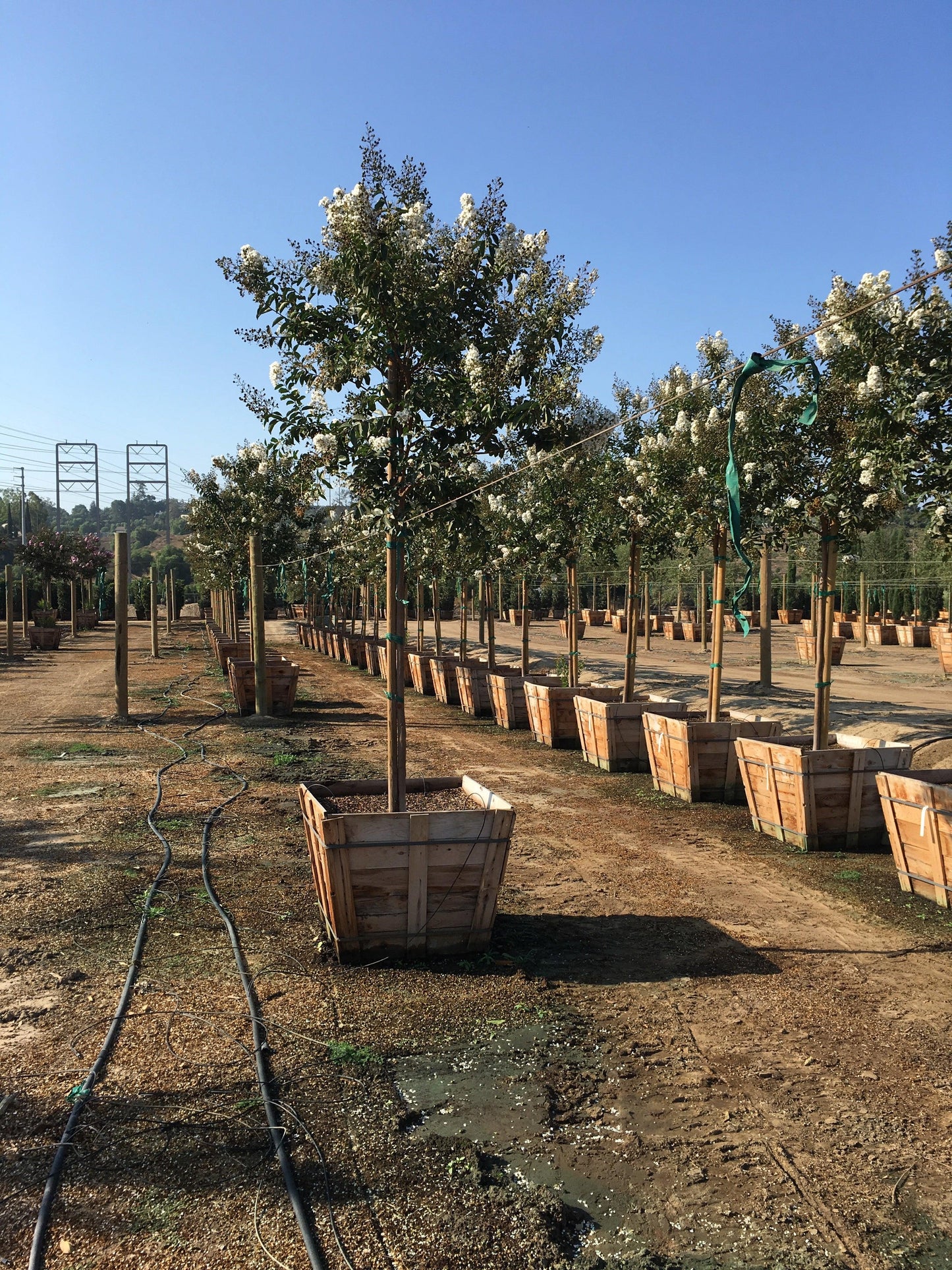

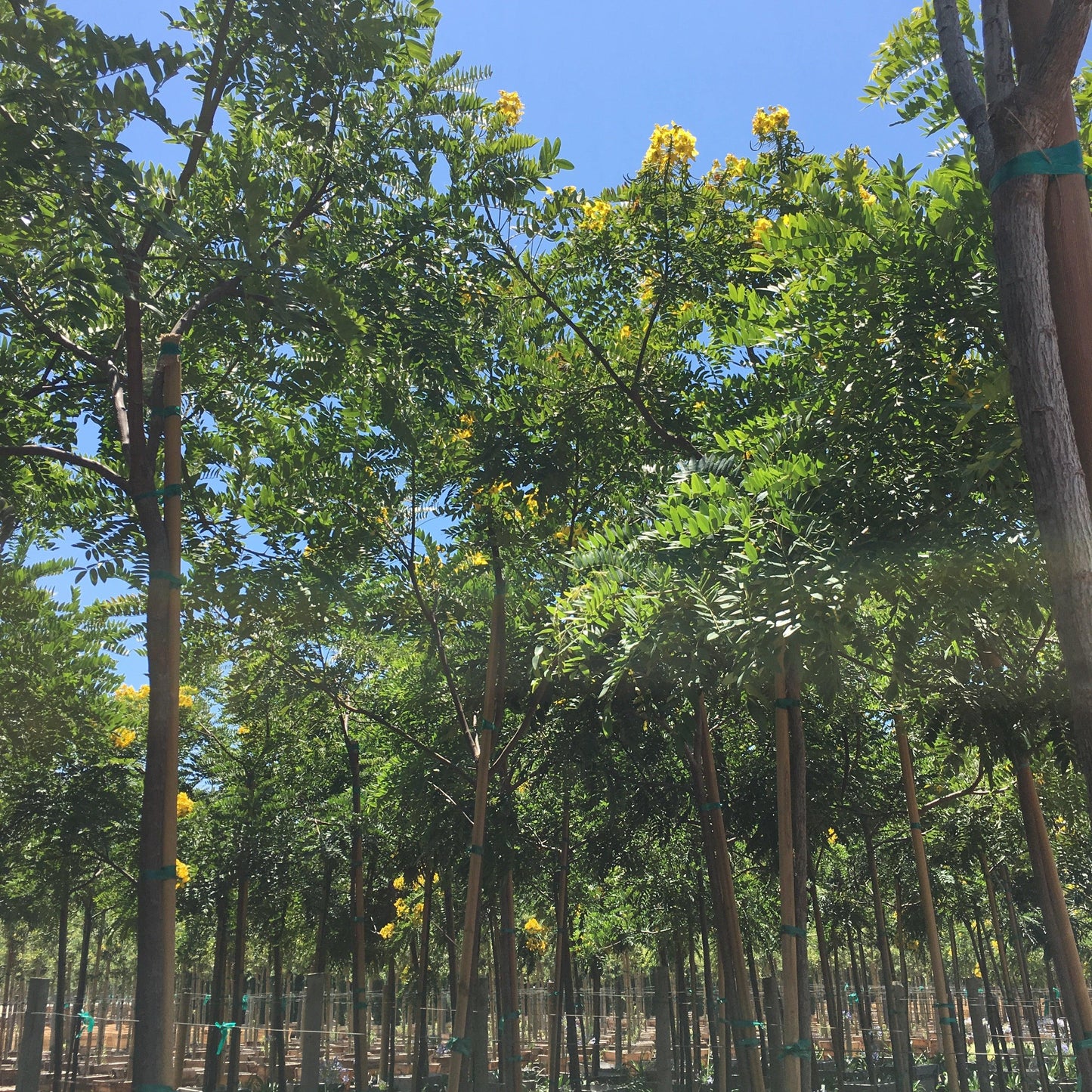

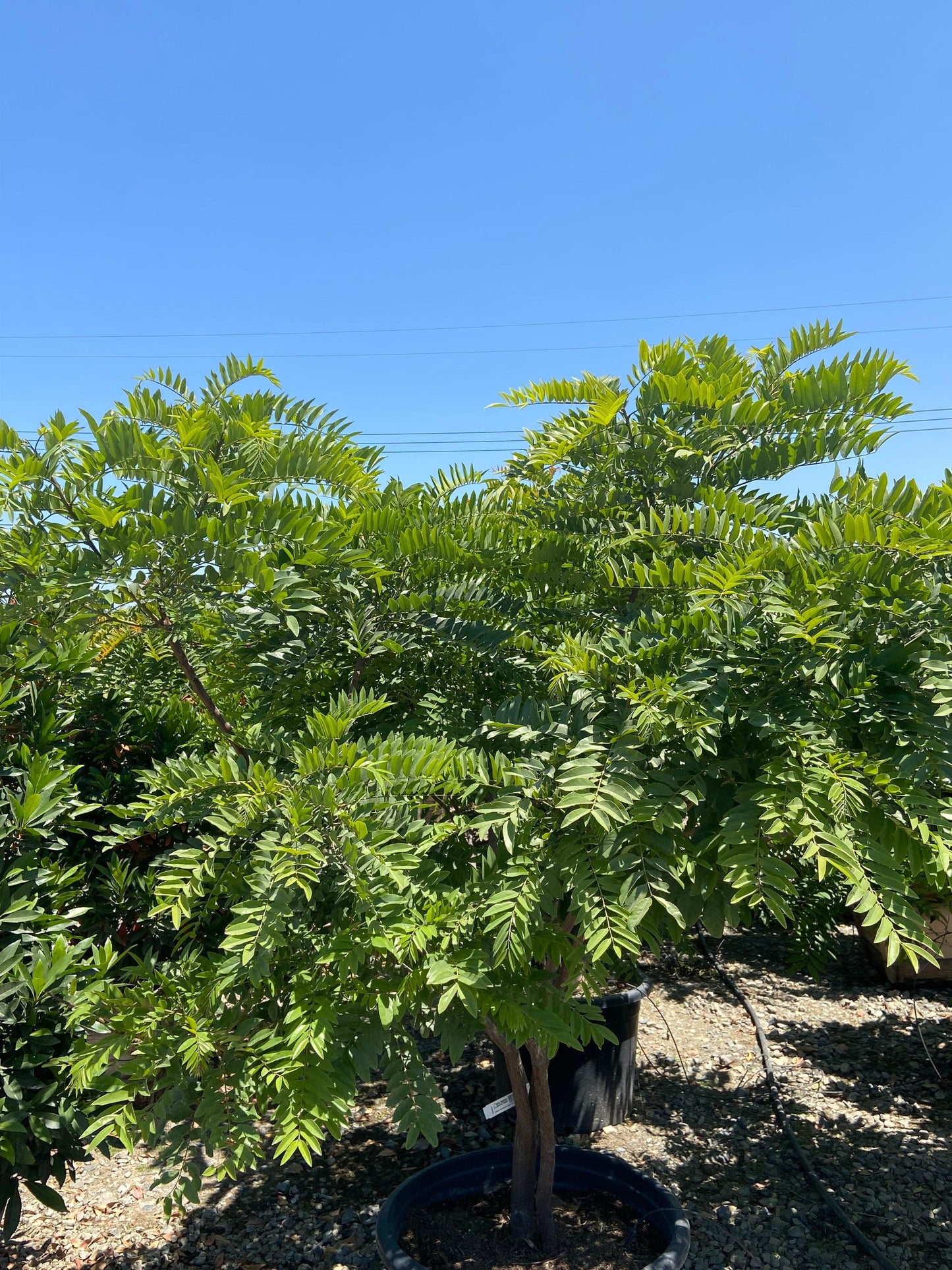


Pairs Well With

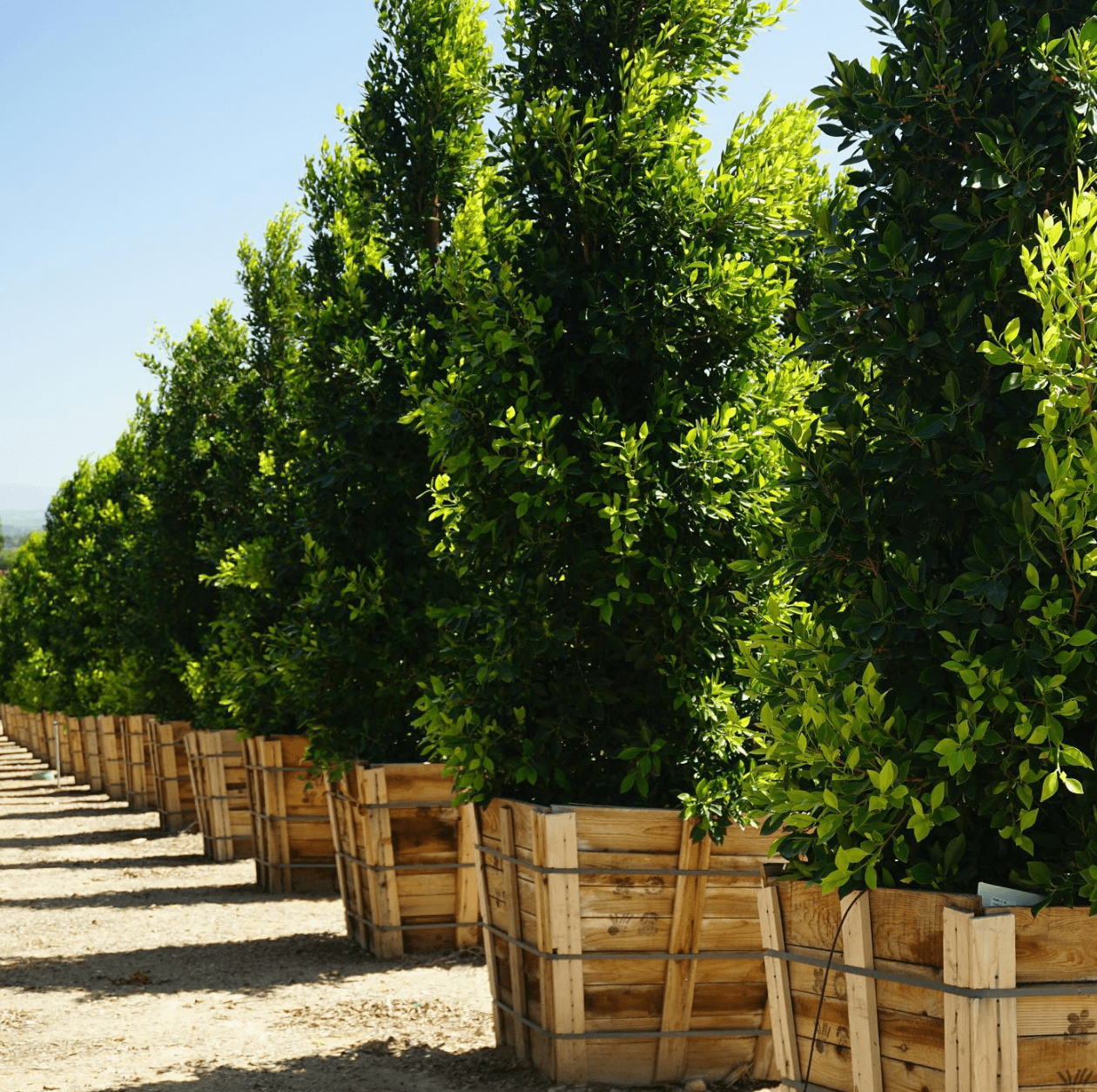









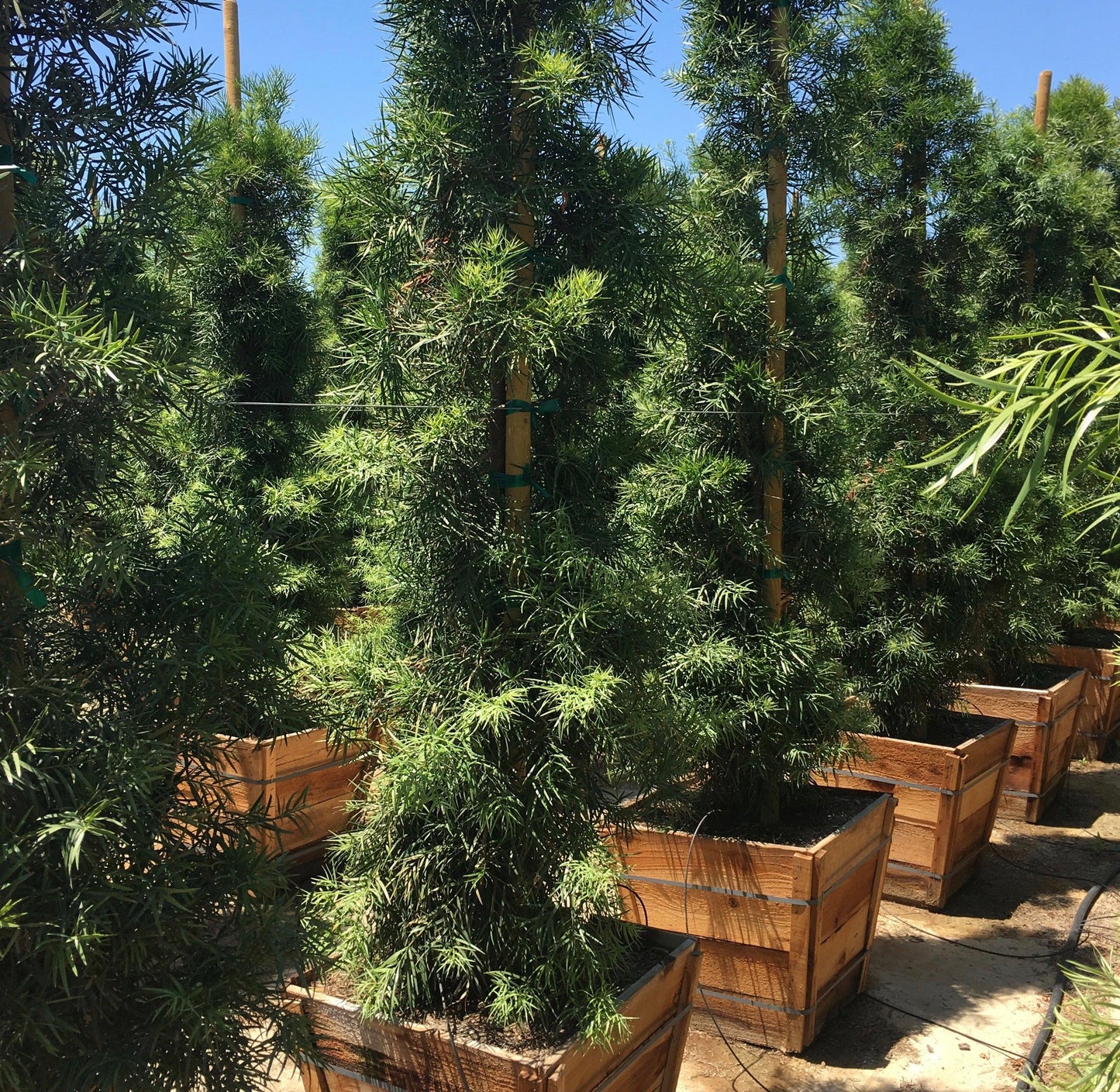

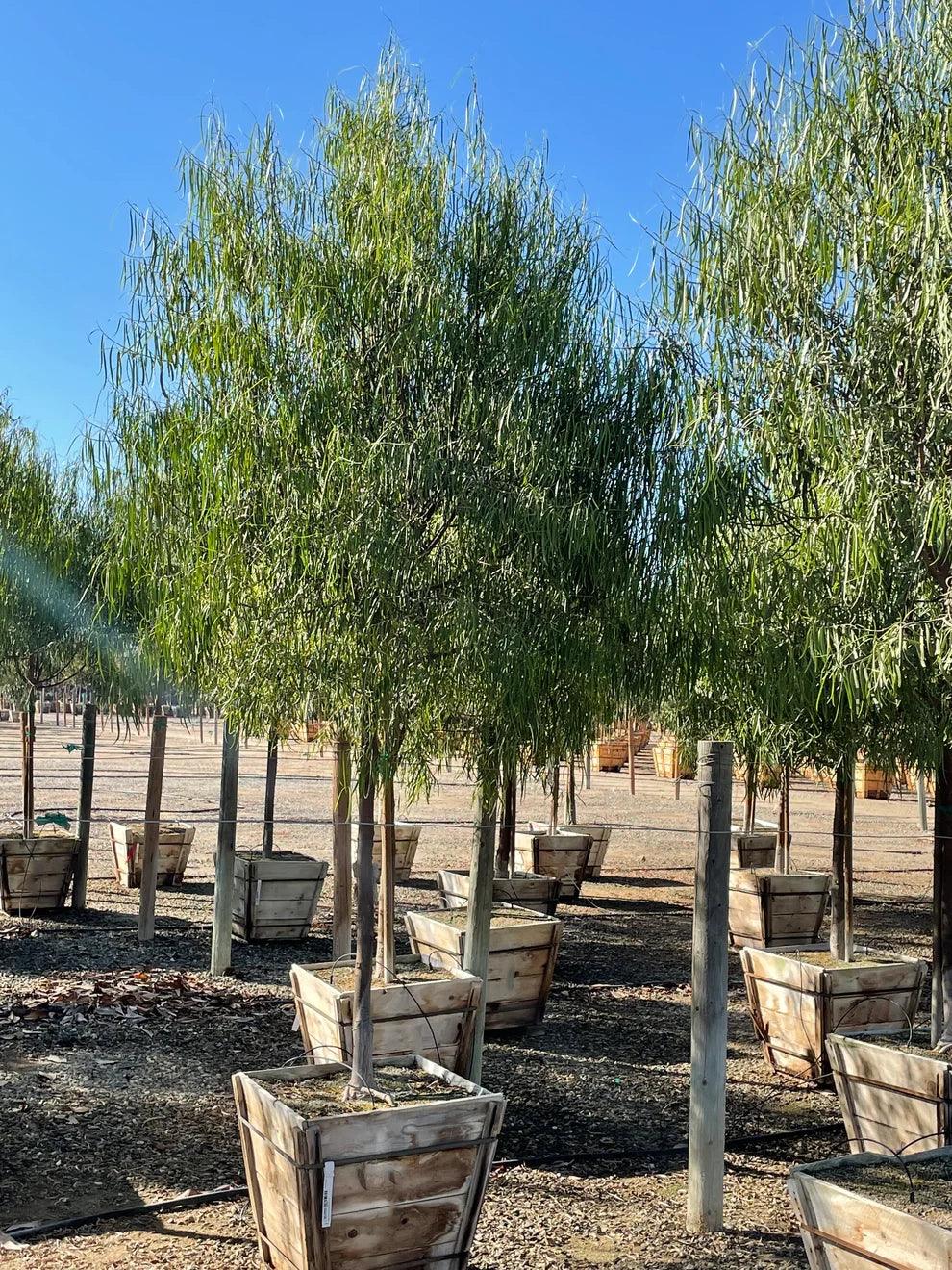

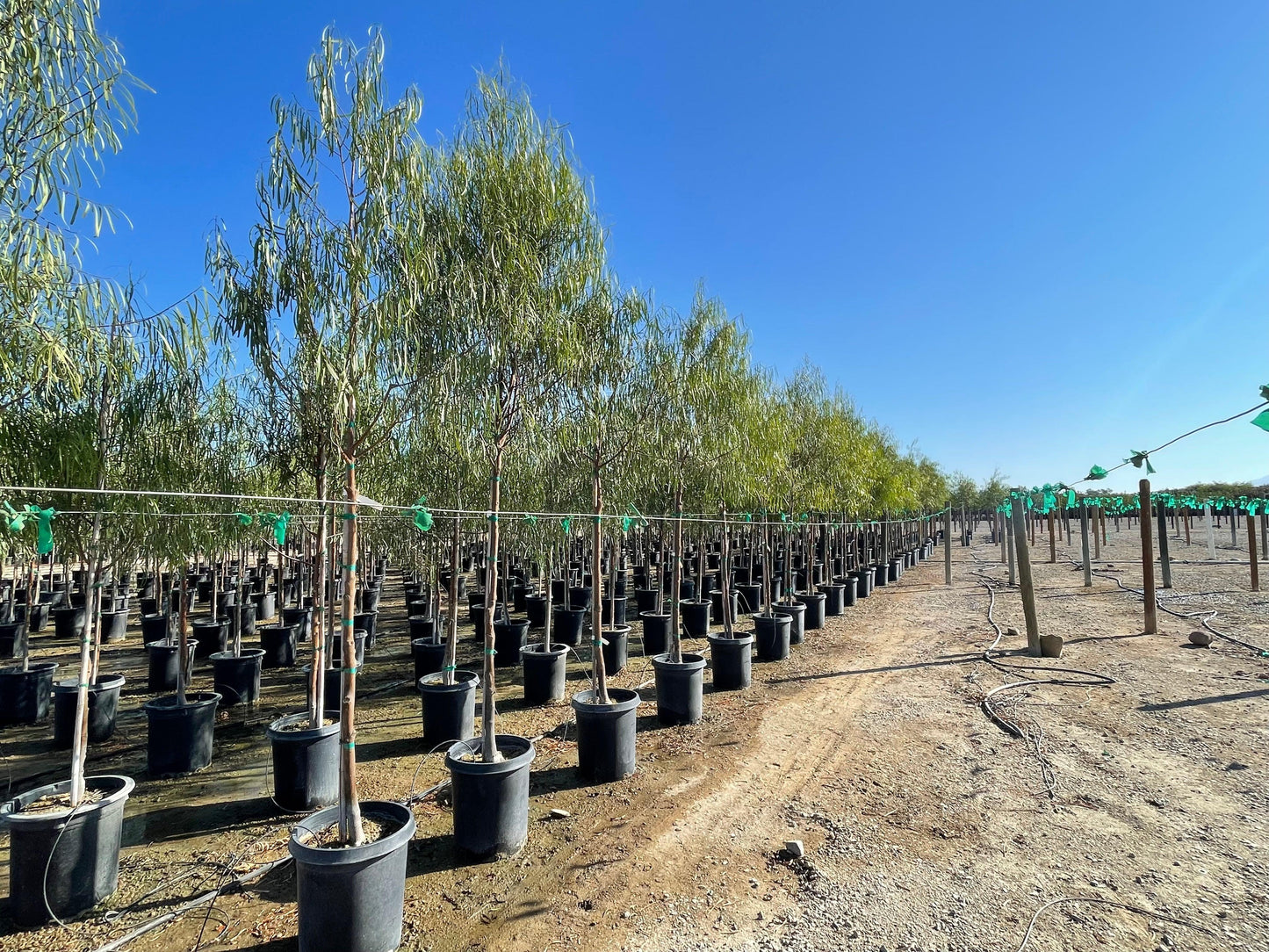

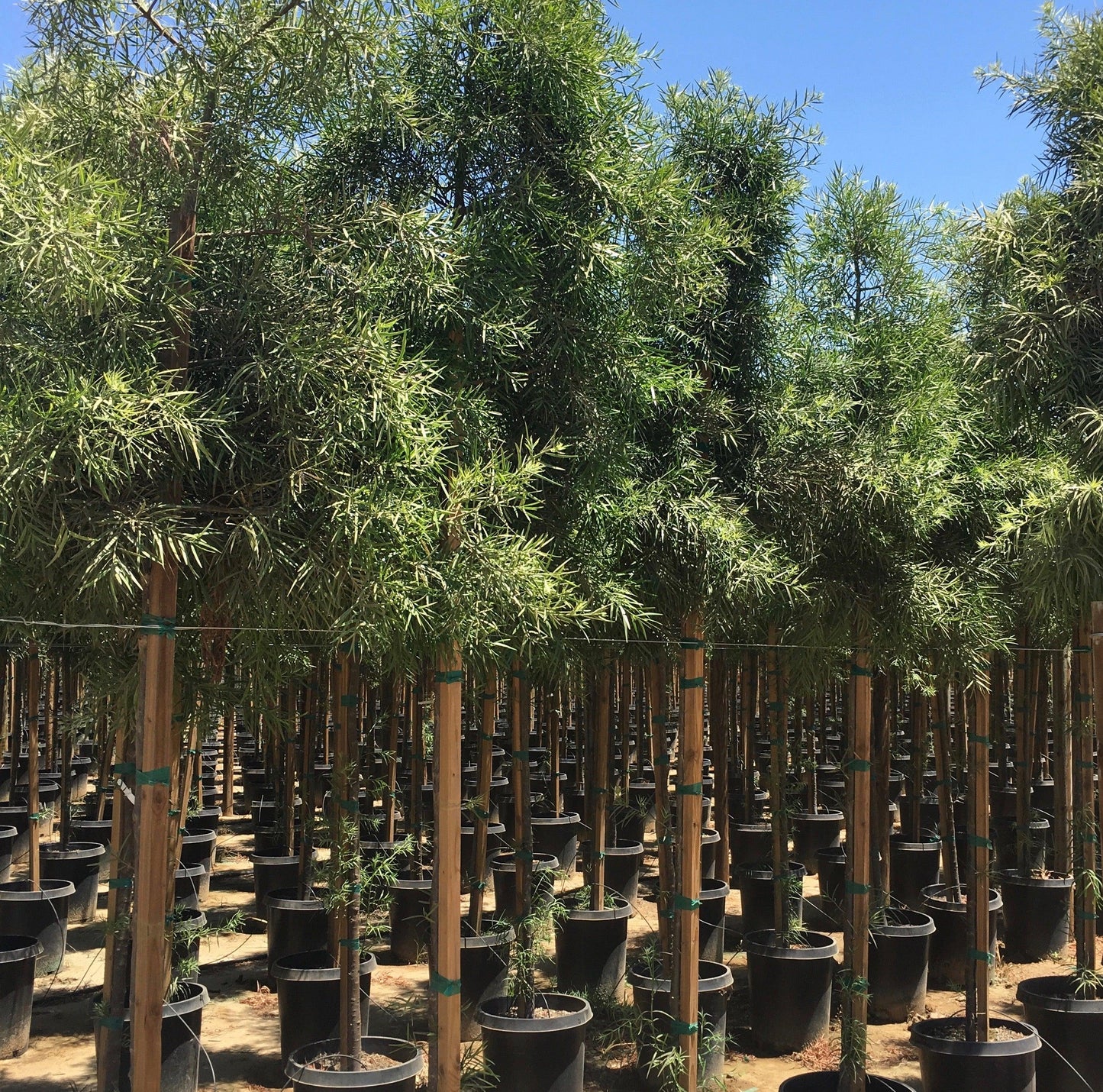
You May Also Like












Thousands of Healthy Plants Delivered


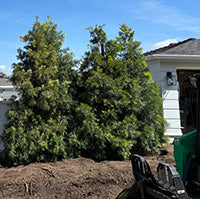
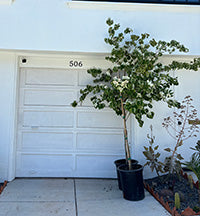
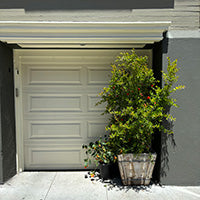
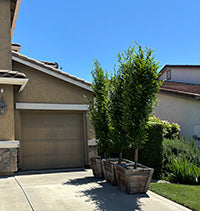
Yardwork was so great to work with. First they had the Swan Hill olive trees that we had been searching for, we had contacted several other nurseries without any luck previously. Then they answered all of our questions in a timely matter prior to ordering and finally delivered within a few days of placing it. Their staff is incredibly knowledgeable; they delivered and planted our trees with expertise to ensure that they would do well in our yard. We would definitely work with them again for future projects.











A Modern Experience
At Yardwork, we carefully curate thousands of plants, in all container sizes, to provide you with the best selection of the highest quality trees and plants at the best price, with the convenience of an online platform.
Uncompromised Quality
We choose only the finest specimens and hand select our plants just before delivery to ensure you receive the freshest and most robust specimens available for your landscape.
Industry Leading Warranties
Our 30, 90, and 365 extended warranties provide some of the best coverage to ensure our trees and plants thrive in your landscape.
Frequently Asked Questions
We're committed to changing everything about trees and plants - how they’re grown, how you shop for them, and how much they cost. We handle orders ourselves. No middlemen to get between us (or our prices) and you.
We're committed to changing everything about trees and plants - how they’re grown, how you shop for them, and how much they cost. We handle orders ourselves. No middlemen to get between us (or our prices) and you.
Delivery does not include unloading of trees and plants LARGER than a 24" box.
Trees and plants in smaller containers will be dropped curbside (usually on the driveway or near the front doorstep).
Delivery beyond a curbside drop will be charged extra.
Trees and plants that are sold in container sizes LARGER than a 24" box size will require equipment and/or enough manpower onsite to help unload from the truck.
Please reach out to our team PRIOR to placing your order to help coordinate.
Our team can provide unloading assistance with equipment for an extra fee as well.
Delivery does not include unloading of trees and plants LARGER than a 24" box.
Trees and plants in smaller containers will be dropped curbside (usually on the driveway or near the front doorstep).
Delivery beyond a curbside drop will be charged extra.
Trees and plants that are sold in container sizes LARGER than a 24" box size will require equipment and/or enough manpower onsite to help unload from the truck.
Please reach out to our team PRIOR to placing your order to help coordinate.
Our team can provide unloading assistance with equipment for an extra fee as well.
We ship locally within California within 7-10 days of your order being placed.
We ship nationally using carrier partners, based on order size.
Text or call 323-576-4159 for specific shipping details for your location.
We ship locally within California within 7-10 days of your order being placed.
We ship nationally using carrier partners, based on order size.
Text or call 323-576-4159 for specific shipping details for your location.
We are currently online only and don't have physical locations where you can view plants in person.
That's why we have photos direct from the growing grounds of the plants we will ship and we display pricing right in our store.
We do make sure to pick the very best trees and plants prior to shipping and make sure that they have gone through our multi-point inspection for health and structure.
We will always reach out prior to delivery if we find a quality issue or need to provide a substitute.
We are currently online only and don't have physical locations where you can view plants in person.
That's why we have photos direct from the growing grounds of the plants we will ship and we display pricing right in our store.
We do make sure to pick the very best trees and plants prior to shipping and make sure that they have gone through our multi-point inspection for health and structure.
We will always reach out prior to delivery if we find a quality issue or need to provide a substitute.
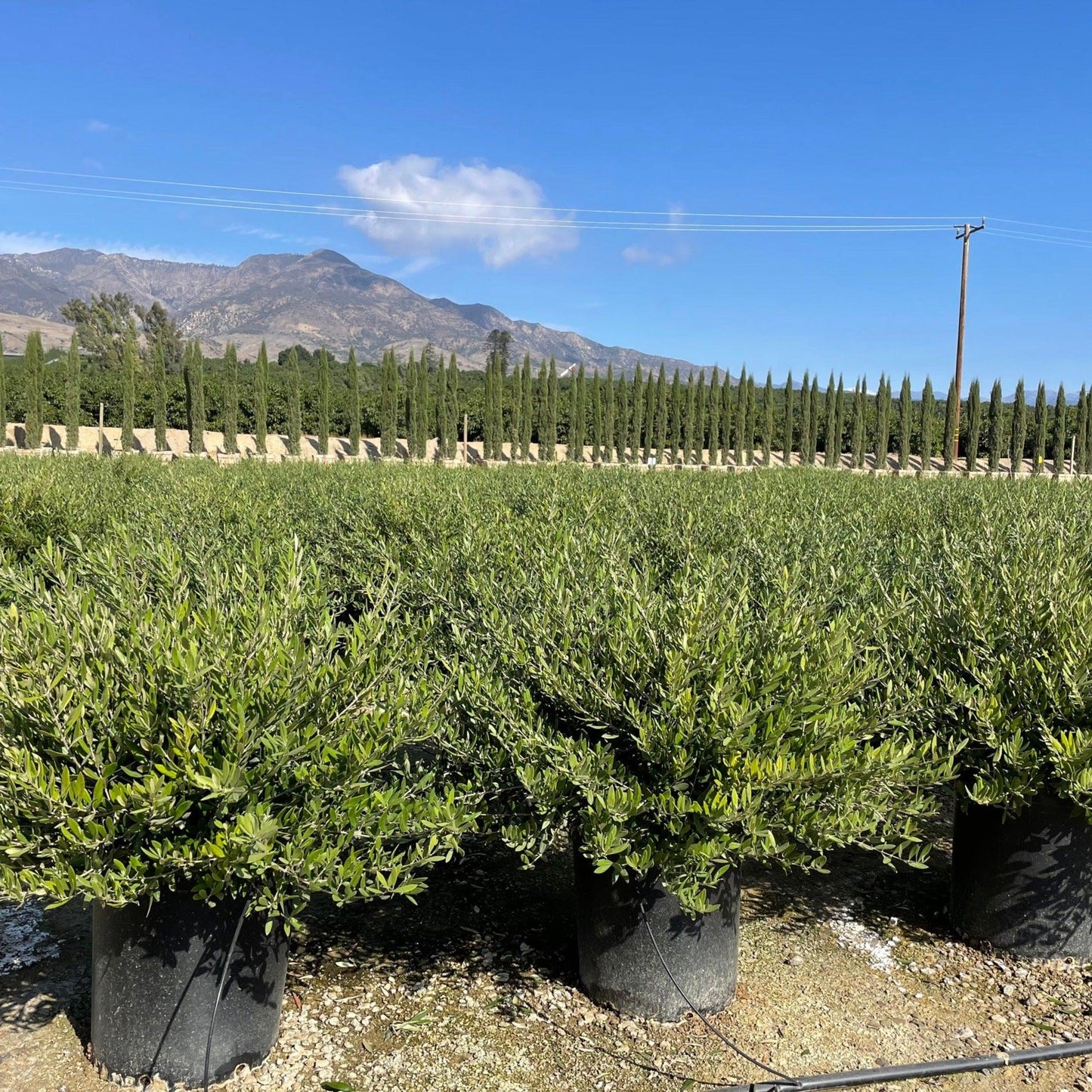
Plants vary greatly by type. Here is a rough idea of sizes based on containers that are direct from our growing grounds.
15 Gallon Shrub 3-4 Ft. Tall
15 Gallon Tree 5-6 Ft. Tall
24" Box Shrub 5-6 Ft. Tall
24" Box Tree 6-7 Ft. Tall
36" Box Shrub/Tree 7-9 Ft. Tall
48" Box Shrub/Tree 8-10 Ft. Tall
**Please note that we do not make guarantees of sizes. If you have questions or concerns, please call or text to request accurate sizing for the particular plant you're considering, prior to ordering.
Plants vary greatly by type. Here is a rough idea of sizes based on containers that are direct from our growing grounds.
15 Gallon Shrub 3-4 Ft. Tall
15 Gallon Tree 5-6 Ft. Tall
24" Box Shrub 5-6 Ft. Tall
24" Box Tree 6-7 Ft. Tall
36" Box Shrub/Tree 7-9 Ft. Tall
48" Box Shrub/Tree 8-10 Ft. Tall
**Please note that we do not make guarantees of sizes. If you have questions or concerns, please call or text to request accurate sizing for the particular plant you're considering, prior to ordering.
We offer a limited 30 day warranty for plants that are delivered and a 90 day warranty for plants that we plant.
The limited warranty covers plants that die as a result of disease or fungus which was derived from our growing grounds or from root balls that were root bound.
The warranty does not cover damage due to watering, fertilizer, soils, or any other conditions beyond our control. Additionally, the warranty does not cover certain plants that are shipped out of the state of California or shipped into California from other states. Custom plant orders are also not covered under warranty. Plants must be planted within 24 hours after delivery to qualify.
We can assist you in recommending the right soils and fertilizers to help your plant thrive after you plant it.
Text or call 323-576-4159 for further warranty information.
We offer a limited 30 day warranty for plants that are delivered and a 90 day warranty for plants that we plant.
The limited warranty covers plants that die as a result of disease or fungus which was derived from our growing grounds or from root balls that were root bound.
The warranty does not cover damage due to watering, fertilizer, soils, or any other conditions beyond our control. Additionally, the warranty does not cover certain plants that are shipped out of the state of California or shipped into California from other states. Custom plant orders are also not covered under warranty. Plants must be planted within 24 hours after delivery to qualify.
We can assist you in recommending the right soils and fertilizers to help your plant thrive after you plant it.
Text or call 323-576-4159 for further warranty information.
Our local delivery team covers most cities in California.
There are some exceptions, so please get in touch to confirm prior to ordering.
Additionally, we ship throughout the entire United States and even internationally. Each shipment is custom, so please reach out to our team to coordinate.
Our local delivery team covers most cities in California.
There are some exceptions, so please get in touch to confirm prior to ordering.
Additionally, we ship throughout the entire United States and even internationally. Each shipment is custom, so please reach out to our team to coordinate.