



Bing Cherry Tree For Sale
Regular price
$129.95
Height
Pack Options
America's Most Beloved Sweet Cherry for Your Home Orchard
Grow the same intensely sweet, dark red cherries that have dominated America's fresh-market orchards for over a century-right in your own backyard. A mature Bing cherry tree delivers up to 100 pounds of large, heart-shaped fruit each season, turning your landscape into a productive home orchard that pays for itself many times over. With the right rootstock, a compatible cross-pollinator, and proper site preparation, this beautiful tree rewards you with decades of abundant, delicious cherries.
Why You'll Love It
-
Massive Annual Harvests – A single mature Bing cherry tree can produce 50 to 100 pounds of large, juicy cherries every season, giving you an abundance of fruit for fresh eating, baking, and preserving.
-
Unmatched Flavor – The Bing cultivar is the benchmark for sweet cherry flavor: intensely sweet, rich, and deeply satisfying with firm flesh that holds up beautifully whether eaten straight from the branch or baked into pies and tarts.
-
Stunning Ornamental Beauty – Clouds of white spring blooms transform this tree into a showpiece that attracts pollinators to your garden before giving way to glossy, deep mahogany-red fruit clusters in summer.
-
Decades of Fruit Production – Bing cherry trees enter their prime bearing years around year 5–6 and continue producing delicious cherries for 20 to 30 years with proper care, delivering extraordinary long-term value.
-
Wide Climate Adaptability – Hardy across USDA zones 5 through 8, with successful cultivation in select zone 9 coastal California microclimates, this sweet cherry thrives wherever winters provide approximately 700–800 chill hours.
How To Grow The Bing Cherry Tree Successfully
-
Site Selection and Soil Preparation Choose a location with full sun-at least six to eight hours of direct sunlight daily. Ensure well-drained soil; sandy-loam or loamy soils are ideal. If your soil is heavy clay, consider building a raised mound. Dig a hole twice the width of the root ball, fill in with amended soil, and keep the graft union above the soil line.
-
Planting and Establishing Your Trees Plant your Bing cherry tree and position a compatible cross-pollinator such as Black Tartarian, Van, or Royal Rainier within 50–100 feet for standard trees or 20–30 feet for semi-dwarf varieties. Bing is self-incompatible, so pollination from other trees with overlapping bloom timing is essential. Water deeply at planting and apply mulch around the roots to conserve moisture.
-
Ongoing Care and Harvest Maintain consistent moisture through drip irrigation during fruit development-avoid overhead watering when cherries are ripening. Prune while the tree is dormant in late winter to maintain an open-center shape that promotes sunlight penetration and air circulation. Protect ripening fruit from birds with netting. By June, you'll be harvesting your own cherries at peak sweetness.
Product Details
-
Scientific Name: Prunus avium 'Bing'
-
Origin: Developed in 1875 in Milwaukie, Oregon, by horticulturist Seth Lewelling; named after his orchard foreman, Ah Bing
-
Mature Size (Standard): 12–35 feet tall, 12–25 feet spread
-
Mature Size (Semi-Dwarf): 10–16 feet tall and wide
-
Hardiness Zones: 5–8
-
Chill Hours Required: ~700–800 hours below 45°F
-
Harvest Season: June to early July (late May in warmer California regions)
-
Pollination: Requires a cross-pollinator-Black Tartarian, Van, Rainier, Lapins, Stella, or Sam recommended
-
Fruit: Large, heart-shaped, dark red to mahogany-red skin and flesh; semi-free stone
-
Soil: Well-drained soil, pH 6.0–7.0
-
Sun: Full sun (6–8 hours minimum)
-
Growth Rate: Medium; vigorous on standard rootstock
-
Time to First Fruit: 5–6 years (standard); 3–4 years (semi-dwarf)
-
Available Sizes: Bare-root, 5-gallon, and 7-gallon containers
-
Spacing: 20–25 feet for standard trees; 10–15 feet for semi-dwarf
Who It's For
Ideal for:
-
Homeowners looking to grow the best fruit trees for a productive home orchard
-
Serious gardeners who want a nursery-quality, grafted cherry tree with expert support rather than a big-box gamble
-
Property owners seeking a beautiful tree that delivers both ornamental spring blooms and a rich harvest of delicious cherries each summer
-
Anyone willing to invest in long-term fruit production-planting two compatible trees and providing consistent care through the growing season
If you hope to grow your own cherries with the deep, sweet flavor that made this cultivar famous across America and Canada, the Bing cherry tree fits your needs.
Frequently Asked Questions
Do I need two trees for fruit production? Yes. Bing is self-sterile and requires pollen from a compatible sweet cherry variety that blooms at the same time. We recommend planting a Black Tartarian cherry tree or Royal Rainier as your cross-pollinator. Self-fertile varieties like Lapins or Stella also work well and will produce their own fruit. Without a pollinizer, your tree may bloom beautifully each spring but never set fruit.
How long until my tree produces fruit? On standard rootstock, expect to wait 5–6 years for your first harvest. Trees grafted onto semi-dwarfing rootstock like Gisela 5 can produce fruit as early as year 3 or 4. Once mature, a healthy Bing cherry tree will continue bearing fruit for 20–30 years.
What pests and diseases should I watch for? Common challenges include brown rot, bacterial canker, and leaf spot diseases-all manageable with dormant-season pruning, sanitized tools, and targeted fungicide applications at bloom. Birds are notorious for stripping ripe cherries; protective netting is essential. Cherry fruit flies, aphids, and moist-climate fruit cracking also require attention. Consistent watering prevents the moisture fluctuations that cause splitting.
What if my tree doesn't thrive in my conditions? Yardwork offers consultation services to help diagnose soil, pollination, or site issues before they become problems. Our team can recommend the right cherry rootstock for your soil type and help you select companion pollinators from our full collection of cherry trees.
Ready to Start Your Cherry Orchard?
Grow your own Bing cherries-cultivated to perfection in your backyard, harvested at peak sweetness, and bursting with the flavor that has made this new variety the gold standard since 1875.
Choose Bing cherry trees from Yardwork and finally enjoy homegrown cherries that taste the way cherries are supposed to taste.
America's Most Beloved Sweet Cherry for Your Home Orchard
Grow the same intensely sweet, dark red cherries that have dominated America's fresh-market orchards for over a century-right in your own backyard. A mature Bing cherry tree delivers up to 100 pounds of large, heart-shaped fruit each season, turning your landscape into a productive home orchard that pays for itself many times over. With the right rootstock, a compatible cross-pollinator, and proper site preparation, this beautiful tree rewards you with decades of abundant, delicious cherries.
Why You'll Love It
-
Massive Annual Harvests – A single mature Bing cherry tree can produce 50 to 100 pounds of large, juicy cherries every season, giving you an abundance of fruit for fresh eating, baking, and preserving.
-
Unmatched Flavor – The Bing cultivar is the benchmark for sweet cherry flavor: intensely sweet, rich, and deeply satisfying with firm flesh that holds up beautifully whether eaten straight from the branch or baked into pies and tarts.
-
Stunning Ornamental Beauty – Clouds of white spring blooms transform this tree into a showpiece that attracts pollinators to your garden before giving way to glossy, deep mahogany-red fruit clusters in summer.
-
Decades of Fruit Production – Bing cherry trees enter their prime bearing years around year 5–6 and continue producing delicious cherries for 20 to 30 years with proper care, delivering extraordinary long-term value.
-
Wide Climate Adaptability – Hardy across USDA zones 5 through 8, with successful cultivation in select zone 9 coastal California microclimates, this sweet cherry thrives wherever winters provide approximately 700–800 chill hours.
How To Grow The Bing Cherry Tree Successfully
-
Site Selection and Soil Preparation Choose a location with full sun-at least six to eight hours of direct sunlight daily. Ensure well-drained soil; sandy-loam or loamy soils are ideal. If your soil is heavy clay, consider building a raised mound. Dig a hole twice the width of the root ball, fill in with amended soil, and keep the graft union above the soil line.
-
Planting and Establishing Your Trees Plant your Bing cherry tree and position a compatible cross-pollinator such as Black Tartarian, Van, or Royal Rainier within 50–100 feet for standard trees or 20–30 feet for semi-dwarf varieties. Bing is self-incompatible, so pollination from other trees with overlapping bloom timing is essential. Water deeply at planting and apply mulch around the roots to conserve moisture.
-
Ongoing Care and Harvest Maintain consistent moisture through drip irrigation during fruit development-avoid overhead watering when cherries are ripening. Prune while the tree is dormant in late winter to maintain an open-center shape that promotes sunlight penetration and air circulation. Protect ripening fruit from birds with netting. By June, you'll be harvesting your own cherries at peak sweetness.
Product Details
-
Scientific Name: Prunus avium 'Bing'
-
Origin: Developed in 1875 in Milwaukie, Oregon, by horticulturist Seth Lewelling; named after his orchard foreman, Ah Bing
-
Mature Size (Standard): 12–35 feet tall, 12–25 feet spread
-
Mature Size (Semi-Dwarf): 10–16 feet tall and wide
-
Hardiness Zones: 5–8
-
Chill Hours Required: ~700–800 hours below 45°F
-
Harvest Season: June to early July (late May in warmer California regions)
-
Pollination: Requires a cross-pollinator-Black Tartarian, Van, Rainier, Lapins, Stella, or Sam recommended
-
Fruit: Large, heart-shaped, dark red to mahogany-red skin and flesh; semi-free stone
-
Soil: Well-drained soil, pH 6.0–7.0
-
Sun: Full sun (6–8 hours minimum)
-
Growth Rate: Medium; vigorous on standard rootstock
-
Time to First Fruit: 5–6 years (standard); 3–4 years (semi-dwarf)
-
Available Sizes: Bare-root, 5-gallon, and 7-gallon containers
-
Spacing: 20–25 feet for standard trees; 10–15 feet for semi-dwarf
Who It's For
Ideal for:
-
Homeowners looking to grow the best fruit trees for a productive home orchard
-
Serious gardeners who want a nursery-quality, grafted cherry tree with expert support rather than a big-box gamble
-
Property owners seeking a beautiful tree that delivers both ornamental spring blooms and a rich harvest of delicious cherries each summer
-
Anyone willing to invest in long-term fruit production-planting two compatible trees and providing consistent care through the growing season
If you hope to grow your own cherries with the deep, sweet flavor that made this cultivar famous across America and Canada, the Bing cherry tree fits your needs.
Frequently Asked Questions
Do I need two trees for fruit production? Yes. Bing is self-sterile and requires pollen from a compatible sweet cherry variety that blooms at the same time. We recommend planting a Black Tartarian cherry tree or Royal Rainier as your cross-pollinator. Self-fertile varieties like Lapins or Stella also work well and will produce their own fruit. Without a pollinizer, your tree may bloom beautifully each spring but never set fruit.
How long until my tree produces fruit? On standard rootstock, expect to wait 5–6 years for your first harvest. Trees grafted onto semi-dwarfing rootstock like Gisela 5 can produce fruit as early as year 3 or 4. Once mature, a healthy Bing cherry tree will continue bearing fruit for 20–30 years.
What pests and diseases should I watch for? Common challenges include brown rot, bacterial canker, and leaf spot diseases-all manageable with dormant-season pruning, sanitized tools, and targeted fungicide applications at bloom. Birds are notorious for stripping ripe cherries; protective netting is essential. Cherry fruit flies, aphids, and moist-climate fruit cracking also require attention. Consistent watering prevents the moisture fluctuations that cause splitting.
What if my tree doesn't thrive in my conditions? Yardwork offers consultation services to help diagnose soil, pollination, or site issues before they become problems. Our team can recommend the right cherry rootstock for your soil type and help you select companion pollinators from our full collection of cherry trees.
Ready to Start Your Cherry Orchard?
Grow your own Bing cherries-cultivated to perfection in your backyard, harvested at peak sweetness, and bursting with the flavor that has made this new variety the gold standard since 1875.
Choose Bing cherry trees from Yardwork and finally enjoy homegrown cherries that taste the way cherries are supposed to taste.
Plants vary greatly by type and no guarantees are made on sizing.
However here is a rough idea of sizes based on containers that are direct from our growing grounds.
15 Gallon Shrub 3-4 Ft. Tall
15 Gallon Tree 5-6 Ft. Tall
24" Box Shrub 5-6 Ft. Tall
24" Box Tree 6-7 Ft. Tall
36" Box Tree 8-10 Ft. Tall
48" Box Tree 10-12 Ft. Tall
Please note: Citrus and California Native plants such as Manzanita are smaller than traditional sizing.
Please contact us to confirm sizing of items before purchasing if this is a concern.
Plants vary greatly by type and no guarantees are made on sizing.
However here is a rough idea of sizes based on containers that are direct from our growing grounds.
15 Gallon Shrub 3-4 Ft. Tall
15 Gallon Tree 5-6 Ft. Tall
24" Box Shrub 5-6 Ft. Tall
24" Box Tree 6-7 Ft. Tall
36" Box Tree 8-10 Ft. Tall
48" Box Tree 10-12 Ft. Tall
Please note: Citrus and California Native plants such as Manzanita are smaller than traditional sizing.
Please contact us to confirm sizing of items before purchasing if this is a concern.
Delivery does not include unloading of trees and plants larger than a 24" box.
Trees and plants in smaller containers will be dropped curbside.
Delivery beyond a curbside drop will be charged extra.
Trees and plants that are sold in container sizes larger than a 24" box size will require equipment and an operator onsite to help unload from the truck.
Please reach out to our team PRIOR to placing your order to coordinate.
Our team can provide unloading assistance with equipment for an extra fee.
Delivery does not include unloading of trees and plants larger than a 24" box.
Trees and plants in smaller containers will be dropped curbside.
Delivery beyond a curbside drop will be charged extra.
Trees and plants that are sold in container sizes larger than a 24" box size will require equipment and an operator onsite to help unload from the truck.
Please reach out to our team PRIOR to placing your order to coordinate.
Our team can provide unloading assistance with equipment for an extra fee.
You may also like...


Bing Cherry Tree For Sale
Regular price
$129.95
Height
Pack Options
America's Most Beloved Sweet Cherry for Your Home Orchard
Grow the same intensely sweet, dark red cherries that have dominated America's fresh-market orchards for over a century-right in your own backyard. A mature Bing cherry tree delivers up to 100 pounds of large, heart-shaped fruit each season, turning your landscape into a productive home orchard that pays for itself many times over. With the right rootstock, a compatible cross-pollinator, and proper site preparation, this beautiful tree rewards you with decades of abundant, delicious cherries.
Why You'll Love It
-
Massive Annual Harvests – A single mature Bing cherry tree can produce 50 to 100 pounds of large, juicy cherries every season, giving you an abundance of fruit for fresh eating, baking, and preserving.
-
Unmatched Flavor – The Bing cultivar is the benchmark for sweet cherry flavor: intensely sweet, rich, and deeply satisfying with firm flesh that holds up beautifully whether eaten straight from the branch or baked into pies and tarts.
-
Stunning Ornamental Beauty – Clouds of white spring blooms transform this tree into a showpiece that attracts pollinators to your garden before giving way to glossy, deep mahogany-red fruit clusters in summer.
-
Decades of Fruit Production – Bing cherry trees enter their prime bearing years around year 5–6 and continue producing delicious cherries for 20 to 30 years with proper care, delivering extraordinary long-term value.
-
Wide Climate Adaptability – Hardy across USDA zones 5 through 8, with successful cultivation in select zone 9 coastal California microclimates, this sweet cherry thrives wherever winters provide approximately 700–800 chill hours.
How To Grow The Bing Cherry Tree Successfully
-
Site Selection and Soil Preparation Choose a location with full sun-at least six to eight hours of direct sunlight daily. Ensure well-drained soil; sandy-loam or loamy soils are ideal. If your soil is heavy clay, consider building a raised mound. Dig a hole twice the width of the root ball, fill in with amended soil, and keep the graft union above the soil line.
-
Planting and Establishing Your Trees Plant your Bing cherry tree and position a compatible cross-pollinator such as Black Tartarian, Van, or Royal Rainier within 50–100 feet for standard trees or 20–30 feet for semi-dwarf varieties. Bing is self-incompatible, so pollination from other trees with overlapping bloom timing is essential. Water deeply at planting and apply mulch around the roots to conserve moisture.
-
Ongoing Care and Harvest Maintain consistent moisture through drip irrigation during fruit development-avoid overhead watering when cherries are ripening. Prune while the tree is dormant in late winter to maintain an open-center shape that promotes sunlight penetration and air circulation. Protect ripening fruit from birds with netting. By June, you'll be harvesting your own cherries at peak sweetness.
Product Details
-
Scientific Name: Prunus avium 'Bing'
-
Origin: Developed in 1875 in Milwaukie, Oregon, by horticulturist Seth Lewelling; named after his orchard foreman, Ah Bing
-
Mature Size (Standard): 12–35 feet tall, 12–25 feet spread
-
Mature Size (Semi-Dwarf): 10–16 feet tall and wide
-
Hardiness Zones: 5–8
-
Chill Hours Required: ~700–800 hours below 45°F
-
Harvest Season: June to early July (late May in warmer California regions)
-
Pollination: Requires a cross-pollinator-Black Tartarian, Van, Rainier, Lapins, Stella, or Sam recommended
-
Fruit: Large, heart-shaped, dark red to mahogany-red skin and flesh; semi-free stone
-
Soil: Well-drained soil, pH 6.0–7.0
-
Sun: Full sun (6–8 hours minimum)
-
Growth Rate: Medium; vigorous on standard rootstock
-
Time to First Fruit: 5–6 years (standard); 3–4 years (semi-dwarf)
-
Available Sizes: Bare-root, 5-gallon, and 7-gallon containers
-
Spacing: 20–25 feet for standard trees; 10–15 feet for semi-dwarf
Who It's For
Ideal for:
-
Homeowners looking to grow the best fruit trees for a productive home orchard
-
Serious gardeners who want a nursery-quality, grafted cherry tree with expert support rather than a big-box gamble
-
Property owners seeking a beautiful tree that delivers both ornamental spring blooms and a rich harvest of delicious cherries each summer
-
Anyone willing to invest in long-term fruit production-planting two compatible trees and providing consistent care through the growing season
If you hope to grow your own cherries with the deep, sweet flavor that made this cultivar famous across America and Canada, the Bing cherry tree fits your needs.
Frequently Asked Questions
Do I need two trees for fruit production? Yes. Bing is self-sterile and requires pollen from a compatible sweet cherry variety that blooms at the same time. We recommend planting a Black Tartarian cherry tree or Royal Rainier as your cross-pollinator. Self-fertile varieties like Lapins or Stella also work well and will produce their own fruit. Without a pollinizer, your tree may bloom beautifully each spring but never set fruit.
How long until my tree produces fruit? On standard rootstock, expect to wait 5–6 years for your first harvest. Trees grafted onto semi-dwarfing rootstock like Gisela 5 can produce fruit as early as year 3 or 4. Once mature, a healthy Bing cherry tree will continue bearing fruit for 20–30 years.
What pests and diseases should I watch for? Common challenges include brown rot, bacterial canker, and leaf spot diseases-all manageable with dormant-season pruning, sanitized tools, and targeted fungicide applications at bloom. Birds are notorious for stripping ripe cherries; protective netting is essential. Cherry fruit flies, aphids, and moist-climate fruit cracking also require attention. Consistent watering prevents the moisture fluctuations that cause splitting.
What if my tree doesn't thrive in my conditions? Yardwork offers consultation services to help diagnose soil, pollination, or site issues before they become problems. Our team can recommend the right cherry rootstock for your soil type and help you select companion pollinators from our full collection of cherry trees.
Ready to Start Your Cherry Orchard?
Grow your own Bing cherries-cultivated to perfection in your backyard, harvested at peak sweetness, and bursting with the flavor that has made this new variety the gold standard since 1875.
Choose Bing cherry trees from Yardwork and finally enjoy homegrown cherries that taste the way cherries are supposed to taste.
America's Most Beloved Sweet Cherry for Your Home Orchard
Grow the same intensely sweet, dark red cherries that have dominated America's fresh-market orchards for over a century-right in your own backyard. A mature Bing cherry tree delivers up to 100 pounds of large, heart-shaped fruit each season, turning your landscape into a productive home orchard that pays for itself many times over. With the right rootstock, a compatible cross-pollinator, and proper site preparation, this beautiful tree rewards you with decades of abundant, delicious cherries.
Why You'll Love It
-
Massive Annual Harvests – A single mature Bing cherry tree can produce 50 to 100 pounds of large, juicy cherries every season, giving you an abundance of fruit for fresh eating, baking, and preserving.
-
Unmatched Flavor – The Bing cultivar is the benchmark for sweet cherry flavor: intensely sweet, rich, and deeply satisfying with firm flesh that holds up beautifully whether eaten straight from the branch or baked into pies and tarts.
-
Stunning Ornamental Beauty – Clouds of white spring blooms transform this tree into a showpiece that attracts pollinators to your garden before giving way to glossy, deep mahogany-red fruit clusters in summer.
-
Decades of Fruit Production – Bing cherry trees enter their prime bearing years around year 5–6 and continue producing delicious cherries for 20 to 30 years with proper care, delivering extraordinary long-term value.
-
Wide Climate Adaptability – Hardy across USDA zones 5 through 8, with successful cultivation in select zone 9 coastal California microclimates, this sweet cherry thrives wherever winters provide approximately 700–800 chill hours.
How To Grow The Bing Cherry Tree Successfully
-
Site Selection and Soil Preparation Choose a location with full sun-at least six to eight hours of direct sunlight daily. Ensure well-drained soil; sandy-loam or loamy soils are ideal. If your soil is heavy clay, consider building a raised mound. Dig a hole twice the width of the root ball, fill in with amended soil, and keep the graft union above the soil line.
-
Planting and Establishing Your Trees Plant your Bing cherry tree and position a compatible cross-pollinator such as Black Tartarian, Van, or Royal Rainier within 50–100 feet for standard trees or 20–30 feet for semi-dwarf varieties. Bing is self-incompatible, so pollination from other trees with overlapping bloom timing is essential. Water deeply at planting and apply mulch around the roots to conserve moisture.
-
Ongoing Care and Harvest Maintain consistent moisture through drip irrigation during fruit development-avoid overhead watering when cherries are ripening. Prune while the tree is dormant in late winter to maintain an open-center shape that promotes sunlight penetration and air circulation. Protect ripening fruit from birds with netting. By June, you'll be harvesting your own cherries at peak sweetness.
Product Details
-
Scientific Name: Prunus avium 'Bing'
-
Origin: Developed in 1875 in Milwaukie, Oregon, by horticulturist Seth Lewelling; named after his orchard foreman, Ah Bing
-
Mature Size (Standard): 12–35 feet tall, 12–25 feet spread
-
Mature Size (Semi-Dwarf): 10–16 feet tall and wide
-
Hardiness Zones: 5–8
-
Chill Hours Required: ~700–800 hours below 45°F
-
Harvest Season: June to early July (late May in warmer California regions)
-
Pollination: Requires a cross-pollinator-Black Tartarian, Van, Rainier, Lapins, Stella, or Sam recommended
-
Fruit: Large, heart-shaped, dark red to mahogany-red skin and flesh; semi-free stone
-
Soil: Well-drained soil, pH 6.0–7.0
-
Sun: Full sun (6–8 hours minimum)
-
Growth Rate: Medium; vigorous on standard rootstock
-
Time to First Fruit: 5–6 years (standard); 3–4 years (semi-dwarf)
-
Available Sizes: Bare-root, 5-gallon, and 7-gallon containers
-
Spacing: 20–25 feet for standard trees; 10–15 feet for semi-dwarf
Who It's For
Ideal for:
-
Homeowners looking to grow the best fruit trees for a productive home orchard
-
Serious gardeners who want a nursery-quality, grafted cherry tree with expert support rather than a big-box gamble
-
Property owners seeking a beautiful tree that delivers both ornamental spring blooms and a rich harvest of delicious cherries each summer
-
Anyone willing to invest in long-term fruit production-planting two compatible trees and providing consistent care through the growing season
If you hope to grow your own cherries with the deep, sweet flavor that made this cultivar famous across America and Canada, the Bing cherry tree fits your needs.
Frequently Asked Questions
Do I need two trees for fruit production? Yes. Bing is self-sterile and requires pollen from a compatible sweet cherry variety that blooms at the same time. We recommend planting a Black Tartarian cherry tree or Royal Rainier as your cross-pollinator. Self-fertile varieties like Lapins or Stella also work well and will produce their own fruit. Without a pollinizer, your tree may bloom beautifully each spring but never set fruit.
How long until my tree produces fruit? On standard rootstock, expect to wait 5–6 years for your first harvest. Trees grafted onto semi-dwarfing rootstock like Gisela 5 can produce fruit as early as year 3 or 4. Once mature, a healthy Bing cherry tree will continue bearing fruit for 20–30 years.
What pests and diseases should I watch for? Common challenges include brown rot, bacterial canker, and leaf spot diseases-all manageable with dormant-season pruning, sanitized tools, and targeted fungicide applications at bloom. Birds are notorious for stripping ripe cherries; protective netting is essential. Cherry fruit flies, aphids, and moist-climate fruit cracking also require attention. Consistent watering prevents the moisture fluctuations that cause splitting.
What if my tree doesn't thrive in my conditions? Yardwork offers consultation services to help diagnose soil, pollination, or site issues before they become problems. Our team can recommend the right cherry rootstock for your soil type and help you select companion pollinators from our full collection of cherry trees.
Ready to Start Your Cherry Orchard?
Grow your own Bing cherries-cultivated to perfection in your backyard, harvested at peak sweetness, and bursting with the flavor that has made this new variety the gold standard since 1875.
Choose Bing cherry trees from Yardwork and finally enjoy homegrown cherries that taste the way cherries are supposed to taste.
Plants vary greatly by type and no guarantees are made on sizing.
However here is a rough idea of sizes based on containers that are direct from our growing grounds.
15 Gallon Shrub 3-4 Ft. Tall
15 Gallon Tree 5-6 Ft. Tall
24" Box Shrub 5-6 Ft. Tall
24" Box Tree 6-7 Ft. Tall
36" Box Tree 8-10 Ft. Tall
48" Box Tree 10-12 Ft. Tall
Please note: Citrus and California Native plants such as Manzanita are smaller than traditional sizing.
Please contact us to confirm sizing of items before purchasing if this is a concern.
Plants vary greatly by type and no guarantees are made on sizing.
However here is a rough idea of sizes based on containers that are direct from our growing grounds.
15 Gallon Shrub 3-4 Ft. Tall
15 Gallon Tree 5-6 Ft. Tall
24" Box Shrub 5-6 Ft. Tall
24" Box Tree 6-7 Ft. Tall
36" Box Tree 8-10 Ft. Tall
48" Box Tree 10-12 Ft. Tall
Please note: Citrus and California Native plants such as Manzanita are smaller than traditional sizing.
Please contact us to confirm sizing of items before purchasing if this is a concern.
Delivery does not include unloading of trees and plants larger than a 24" box.
Trees and plants in smaller containers will be dropped curbside.
Delivery beyond a curbside drop will be charged extra.
Trees and plants that are sold in container sizes larger than a 24" box size will require equipment and an operator onsite to help unload from the truck.
Please reach out to our team PRIOR to placing your order to coordinate.
Our team can provide unloading assistance with equipment for an extra fee.
Delivery does not include unloading of trees and plants larger than a 24" box.
Trees and plants in smaller containers will be dropped curbside.
Delivery beyond a curbside drop will be charged extra.
Trees and plants that are sold in container sizes larger than a 24" box size will require equipment and an operator onsite to help unload from the truck.
Please reach out to our team PRIOR to placing your order to coordinate.
Our team can provide unloading assistance with equipment for an extra fee.
Recommended For You















Pairs Well With













You May Also Like











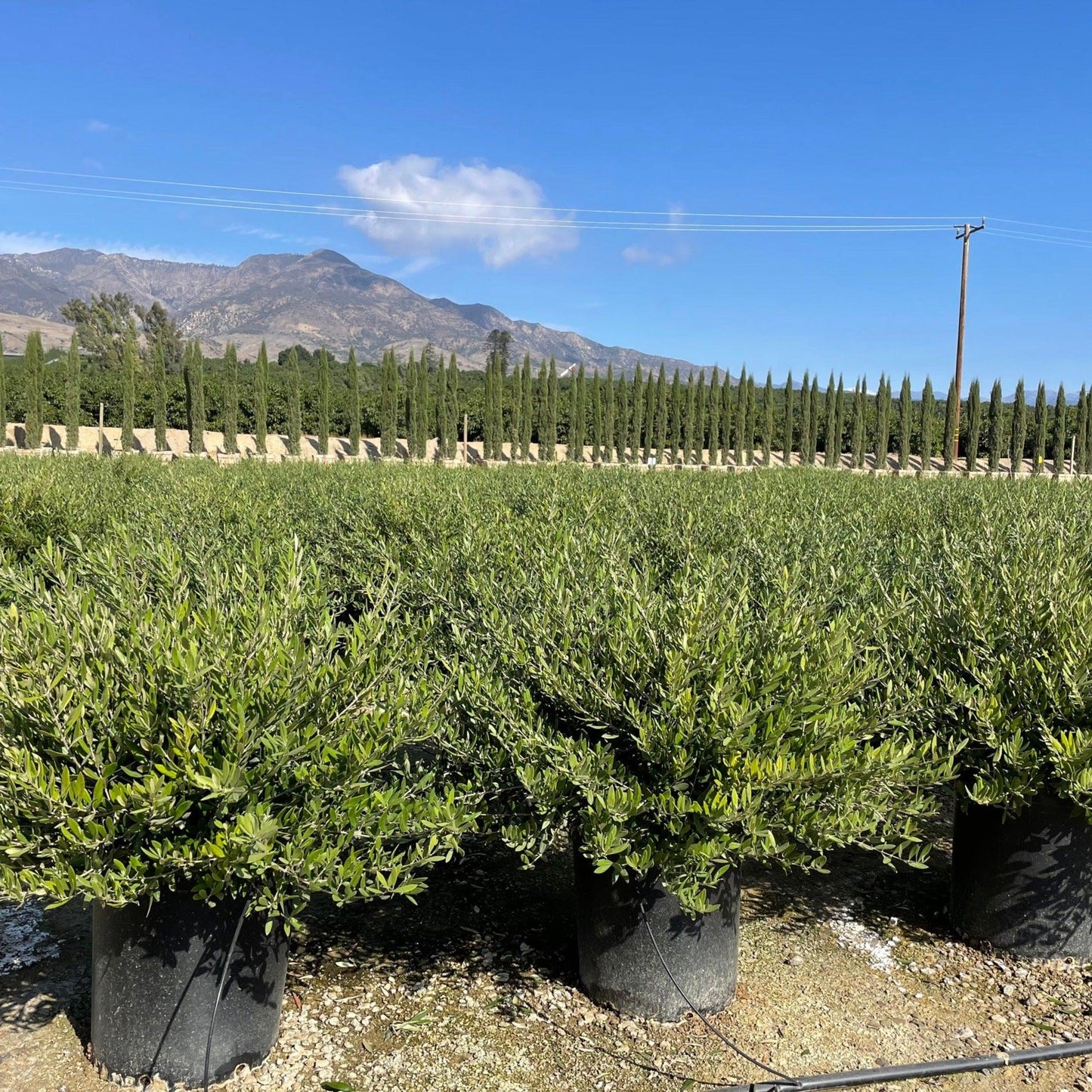

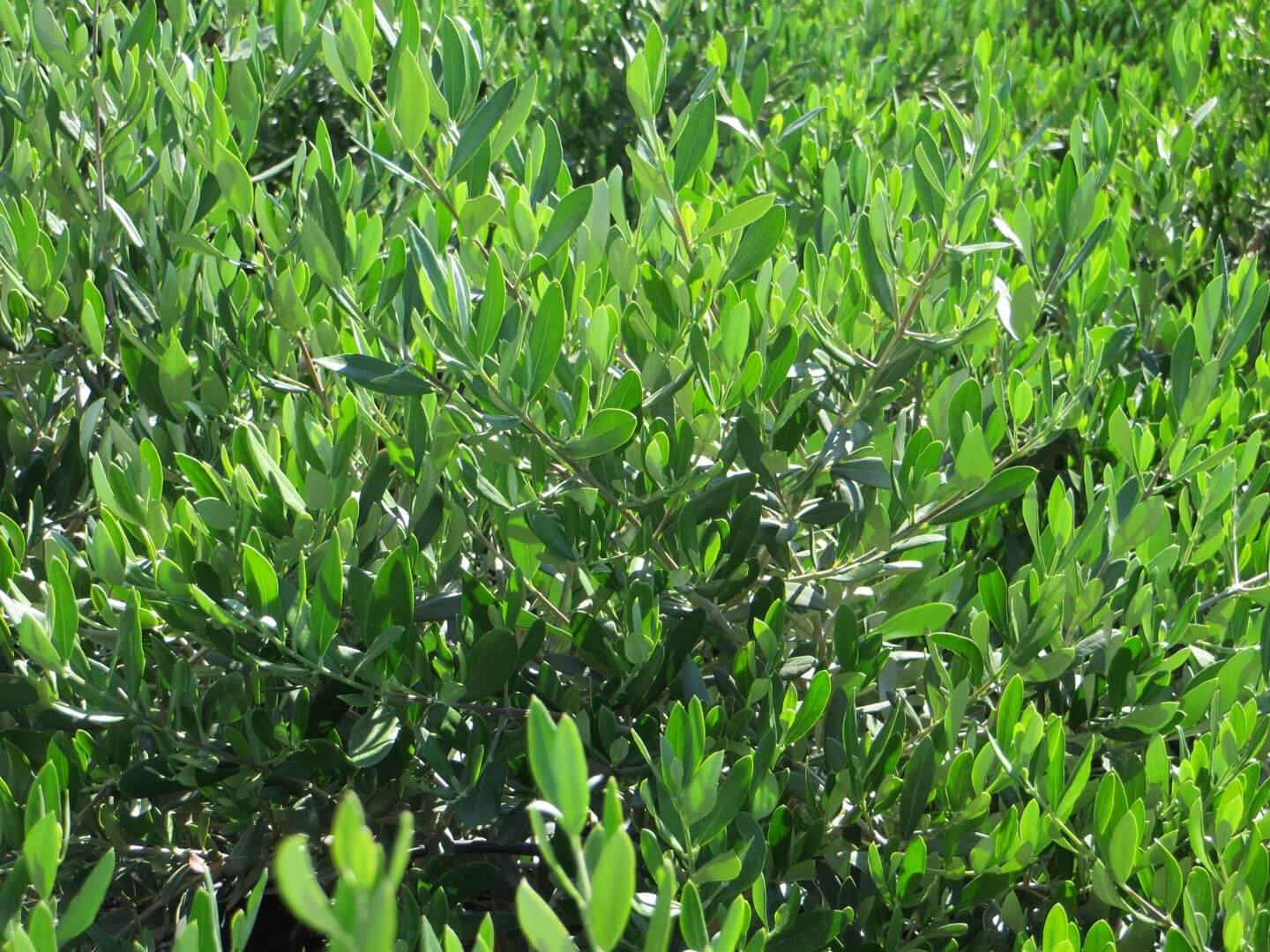
Thousands of Healthy Plants Delivered

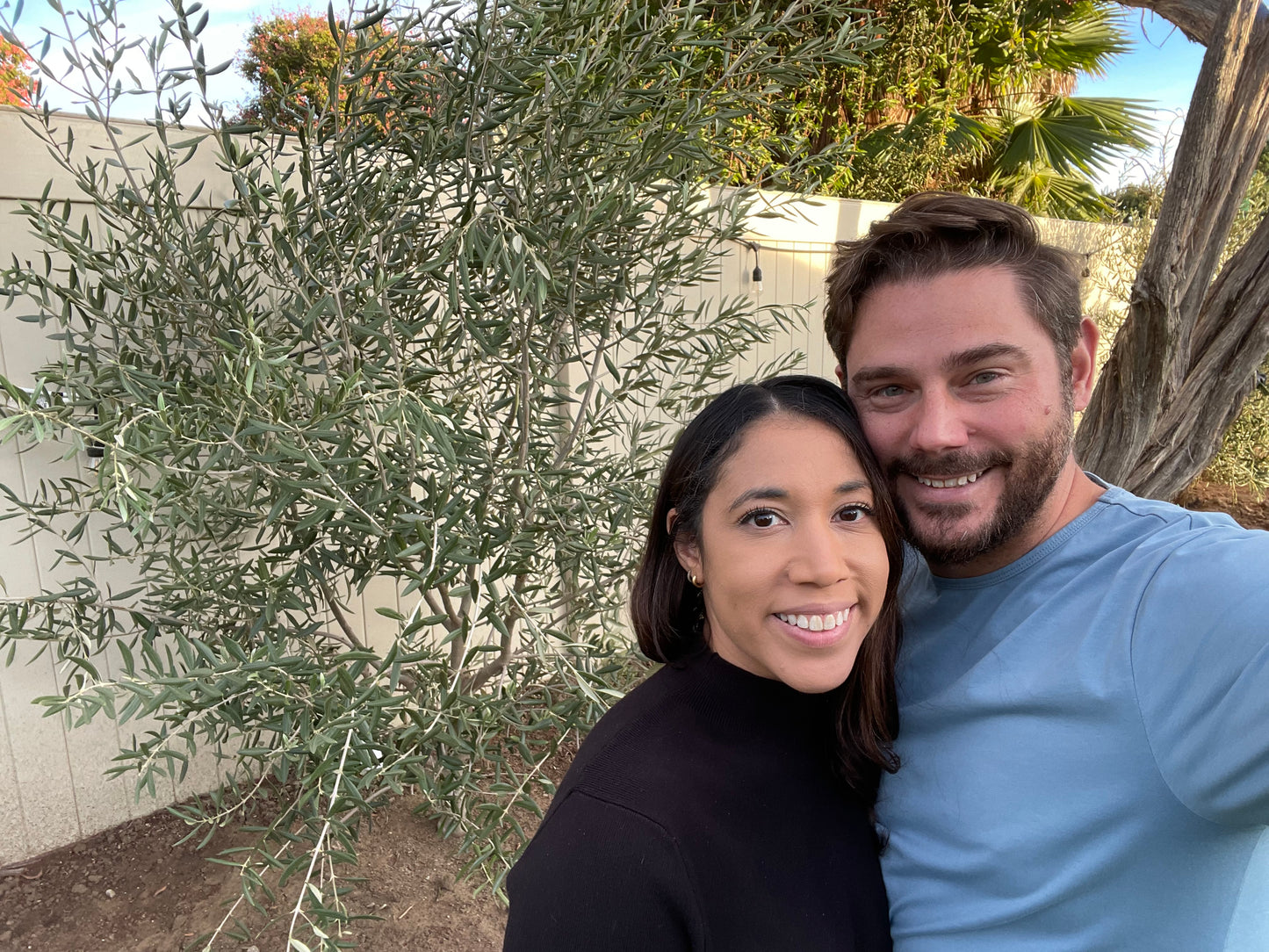
Yardwork was so great to work with. First they had the Swan Hill olive trees that we had been searching for, we had contacted several other nurseries without any luck previously. Then they answered all of our questions in a timely matter prior to ordering and finally delivered within a few days of placing it. Their staff is incredibly knowledgeable; they delivered and planted our trees with expertise to ensure that they would do well in our yard. We would definitely work with them again for future projects.











A Modern Experience
At Yardwork, we carefully curate thousands of plants, in all container sizes, to provide you with the best selection of the highest quality trees and plants at the best price, with the convenience of an online platform.
Uncompromised Quality
We choose only the finest specimens and hand select our plants just before delivery to ensure you receive the freshest and most robust specimens available for your landscape.
Industry Leading Warranties
Our 30, 90, and 365 extended warranties provide some of the best coverage to ensure our trees and plants thrive in your landscape.
Frequently Asked Questions
We're committed to changing everything about trees and plants - how they’re grown, how you shop for them, and how much they cost. We handle orders ourselves. No middlemen to get between us (or our prices) and you.
We're committed to changing everything about trees and plants - how they’re grown, how you shop for them, and how much they cost. We handle orders ourselves. No middlemen to get between us (or our prices) and you.
Delivery does not include unloading of trees and plants LARGER than a 24" box.
Trees and plants in smaller containers will be dropped curbside (usually on the driveway or near the front doorstep).
Delivery beyond a curbside drop will be charged extra.
Trees and plants that are sold in container sizes LARGER than a 24" box size will require equipment and/or enough manpower onsite to help unload from the truck.
Please reach out to our team PRIOR to placing your order to help coordinate.
Our team can provide unloading assistance with equipment for an extra fee as well.
Delivery does not include unloading of trees and plants LARGER than a 24" box.
Trees and plants in smaller containers will be dropped curbside (usually on the driveway or near the front doorstep).
Delivery beyond a curbside drop will be charged extra.
Trees and plants that are sold in container sizes LARGER than a 24" box size will require equipment and/or enough manpower onsite to help unload from the truck.
Please reach out to our team PRIOR to placing your order to help coordinate.
Our team can provide unloading assistance with equipment for an extra fee as well.
We ship locally within California within 7-10 days of your order being placed.
We ship nationally using carrier partners, based on order size.
Text or call 323-576-4159 for specific shipping details for your location.
We ship locally within California within 7-10 days of your order being placed.
We ship nationally using carrier partners, based on order size.
Text or call 323-576-4159 for specific shipping details for your location.
We are currently online only and don't have physical locations where you can view plants in person.
That's why we have photos direct from the growing grounds of the plants we will ship and we display pricing right in our store.
We do make sure to pick the very best trees and plants prior to shipping and make sure that they have gone through our multi-point inspection for health and structure.
We will always reach out prior to delivery if we find a quality issue or need to provide a substitute.
We are currently online only and don't have physical locations where you can view plants in person.
That's why we have photos direct from the growing grounds of the plants we will ship and we display pricing right in our store.
We do make sure to pick the very best trees and plants prior to shipping and make sure that they have gone through our multi-point inspection for health and structure.
We will always reach out prior to delivery if we find a quality issue or need to provide a substitute.
Plants vary greatly by type. Here is a rough idea of sizes based on containers that are direct from our growing grounds.
15 Gallon Shrub 3-4 Ft. Tall
15 Gallon Tree 5-6 Ft. Tall
24" Box Shrub 5-6 Ft. Tall
24" Box Tree 6-7 Ft. Tall
36" Box Shrub/Tree 7-9 Ft. Tall
48" Box Shrub/Tree 8-10 Ft. Tall
**Please note that we do not make guarantees of sizes. If you have questions or concerns, please call or text to request accurate sizing for the particular plant you're considering, prior to ordering.
Plants vary greatly by type. Here is a rough idea of sizes based on containers that are direct from our growing grounds.
15 Gallon Shrub 3-4 Ft. Tall
15 Gallon Tree 5-6 Ft. Tall
24" Box Shrub 5-6 Ft. Tall
24" Box Tree 6-7 Ft. Tall
36" Box Shrub/Tree 7-9 Ft. Tall
48" Box Shrub/Tree 8-10 Ft. Tall
**Please note that we do not make guarantees of sizes. If you have questions or concerns, please call or text to request accurate sizing for the particular plant you're considering, prior to ordering.
We offer a limited 30 day warranty for plants that are delivered and a 90 day warranty for plants that we plant.
The limited warranty covers plants that die as a result of disease or fungus which was derived from our growing grounds or from root balls that were root bound.
The warranty does not cover damage due to watering, fertilizer, soils, or any other conditions beyond our control. Additionally, the warranty does not cover certain plants that are shipped out of the state of California or shipped into California from other states. Custom plant orders are also not covered under warranty. Plants must be planted within 24 hours after delivery to qualify.
We can assist you in recommending the right soils and fertilizers to help your plant thrive after you plant it.
Text or call 323-576-4159 for further warranty information.
We offer a limited 30 day warranty for plants that are delivered and a 90 day warranty for plants that we plant.
The limited warranty covers plants that die as a result of disease or fungus which was derived from our growing grounds or from root balls that were root bound.
The warranty does not cover damage due to watering, fertilizer, soils, or any other conditions beyond our control. Additionally, the warranty does not cover certain plants that are shipped out of the state of California or shipped into California from other states. Custom plant orders are also not covered under warranty. Plants must be planted within 24 hours after delivery to qualify.
We can assist you in recommending the right soils and fertilizers to help your plant thrive after you plant it.
Text or call 323-576-4159 for further warranty information.
Our local delivery team covers most cities in California.
There are some exceptions, so please get in touch to confirm prior to ordering.
Additionally, we ship throughout the entire United States and even internationally. Each shipment is custom, so please reach out to our team to coordinate.
Our local delivery team covers most cities in California.
There are some exceptions, so please get in touch to confirm prior to ordering.
Additionally, we ship throughout the entire United States and even internationally. Each shipment is custom, so please reach out to our team to coordinate.