



Sir Prize Avocado Tree (Type B)
Regular price
$695.00
Title
Harvest Premium Avocados 4-6 Weeks Earlier Than Hass
The Sir Prize avocado tree is a smart choice if you want large, buttery avocados earlier than the popular Hass variety, with better cold performance and a longer home harvest window in California.
Sir Prize produces a Hass type avocado with rich, nutty flavor, creamy flesh, and a small seed that gives you more edible fruit per avocado. The fruit has dark green skin when developing, then turns black as the fruit ripens, giving it the familiar look many growers want from a premium avocado.
In many California gardens, Sir Prize helps start the avocado harvest season sooner-often 4-6 weeks before Hass varieties. Sir Prize avocados typically ripen from late winter to early spring (January through April), hitting markets months before traditional Hass avocados. When planted with complementary avocado trees such as Hass, Lamb Hass, or other varieties, it can help extend a backyard harvest from February through October in favorable California climates.
For home gardeners in San Diego, coastal valleys, warmer inland areas, and protected spots near Palm Springs, Sir Prize offers a practical advantage: fresh avocados sooner, better cold tolerance, and high-quality fruit without relying only on store-bought avocados.
Why You’ll Love Sir Prize Avocado
-
Earlier harvest timing – Sir Prize can produce fruit 4-6 weeks before Hass varieties, helping you enjoy fresh avocados at the beginning of the season instead of waiting for traditional Hass harvests.
-
Superior cold hardiness – This cold resistant grandchild of Hass tolerates temperatures between 25-32°Fbetter than Hass and can handle mild frost once established, especially when planted in a wind sheltered site.
-
Larger fruit with more flesh – Sir Prize is known for large fruit, creamy texture, and a small seed, giving you more buttery flesh per avocado than many previous commercial avocado selections.
-
Better storage after harvest – Sir Prize avocados do not oxidize as quickly as other varieties, making them better for longer storage after being picked and more useful for slicing, packed lunches, and guacamole prep.
-
Strong production potential – The Sir Prize avocado tree is known for its high yield and upright growth habit, making it suitable for growers who want a productive big tree rather than a low, sprawling avocado.
-
Excellent eating quality – The fruit has a thin skin that is deep green and turns black as it ripens, featuring a buttery texture and rich, nutty flavor close to Hass.
What Makes Sir Prize Different
Most avocado trees make you choose between flavor, cold tolerance, harvest timing, and tree shape. Some early-season varieties like Bacon are useful, but they do not always deliver the dark-skinned, creamy eating quality people expect from Hass. Other varieties taste excellent but struggle with cold sensitivity or late harvest timing.
Sir Prize is different because it was developed to give growers earlier fruit, better cold performance, and Hass-like quality in one great variety, making it a smart companion to hardy landscape choices like African Sumac and other durable trees.
-
Bred by UCR for California growing conditions – This avocado variety originated from a University of California Riverside (UCR) breeding program, which is known for producing high-quality avocado cultivars. Sir Prize came from an open-pollinated breeding line with a Hass seedling as its maternal parent, which is why it is often described as a cold resistant grandchild of Hass.
-
Upright growth habit – The tree grows tall and strong rather than wide and sprawling. That upright growth makes pruning easier, supports good production, and works well for growers who want a large tree, a managed backyard small tree, or even a productive evergreen shade tree over time, similar to other mature trees for instant landscape impact.
-
Premium fruit characteristics – The fruit has thin, dark green skin that turns black, a creamy and buttery texture, low fiber, and a rich nutty flavor. It looks and eats like a premium Hass type avocado while ripening months earlier in many markets.
-
Useful flowering pattern – Sir Prize avocados produce Type B flowers, which boost cross pollination when planted alongside Type A varieties. A complementary variety such as Hass, Gwen, or Lamb can help increase fruit set and improve reliability during spring flowering.
-
Not just a surprise name – The name Sir Prize may sound playful, but there is no doubt about its practical value: earlier harvest, strong fruit quality, and a form that fits California backyards and boutique production.
Growing Sir Prize Avocado
-
Plant in the right location
Choose full sun, well drained soil, and a wind sheltered site. Sir Prize performs best when the ground drains quickly and the roots are not sitting in excess moisture. Sandy loam or improved soil is ideal, and thoughtful placement alongside evergreen privacy trees and hedges can help create a protected microclimate. Avoid heavy clay unless drainage is corrected before the tree is planted. -
Water deeply during establishment
During the first growing season, water deeply to encourage an extensive root system. Keep soil evenly moist but never soggy. Once the tree is established, reduce frequency and continue deep irrigation during hot weather and fruit development. -
Mulch to conserve moisture
Apply a thick layer of mulch around the tree to conserve moisture, protect surface roots, and support healthy soil life. Keep mulch pulled back from the trunk to avoid rot. A slow release fertilizer can support steady growth during the growing season. -
Expect natural growth changes
Avocado trees may show periodic leaf drop, especially during seasonal transitions, transplant adjustment, or spring growth flushes. New buds, lighter green stipules, and young leaves may appear before the canopy fills back in. -
Plan for pollination and harvest
For better fruit set, plant Sir Prize near a Type A avocado tree. Sir Prize avocados typically ripen from late winter to early spring, while smart variety pairing in California can help stretch your home harvest from February through October once mature.
Tree Specifications
-
Product Name: Sir Prize Avocado Tree
-
Scientific Name: Persea americana ‘Sir Prize’
-
Pronunciation: Per-see-uh ah-mer-ih-KAH-nuh “Sir Prize”
-
Avocado Type: Hass type avocado; Mexican hybrid with Hass seedling heritage
-
Origin: Developed through the University of California Riverside breeding program
-
Propagation: Typically sold as a grafted, asexually reproduced avocado tree to preserve fruit quality and variety traits
-
Flower Type: Type B flowering
-
Pollination: Sir Prize avocados produce Type B flowers, which boost cross-pollination when planted alongside Type A varieties such as Hass, Lamb Hass, Gwen, or other compatible avocado trees
-
Cold Tolerance: Tolerates mild frost and temperatures between 25-32°F better than Hass once established; young trees should be protected during frost events, much like other warm-climate evergreens such as the California Pepper Tree in exposed landscapes
-
Recommended Zones: Best suited for warm climates, especially USDA Zones 9-11 and protected California microclimates where it can be paired with flowering trees for added curb appeal
-
Sun Exposure: Full sun
-
Soil Needs: Well drained soil; avoid standing water and heavy, compacted ground
-
Growth Habit: Upright, vigorous growth; suitable for growers who want a large tree with manageable structure, comparable in landscape function to a Fern Pine privacy or shade tree
-
Mature Size: Can become a big tree at maturity, though pruning can help maintain a smaller backyard form
-
Fruit Season: Sir Prize avocados typically ripen from late winter to early spring, January through April, with California variety planning helping extend harvest season from February through October
-
Fruit Size: Medium to large fruit, often larger than Hass
-
Skin: Thin skin; deep green to dark green skin while developing, turning black as fruit ripens
-
Flesh Quality: Creamy, buttery, low-fiber flesh with rich nutty flavor
-
Seed: Small seed for a high flesh-to-seed ratio
-
Storage Quality: Slower oxidation than many other varieties, helping cut or picked avocados stay fresh longer
Perfect For These Growers
Ideal for:
-
California homeowners who want fresh avocados earlier in the season and hope to extend harvest with Hass, Lamb, Lamb Hass, and other varieties, or even add a mature avocado tree for faster production.
-
Cold-climate avocado enthusiasts who need a hardier tree that tolerates mild frost better than the popular Hass variety.
-
Commercial and boutique growers looking for early-season production, premium-quality fruit, and a harvest window before traditional Hass dominates the market.
-
Backyard orchard planners who want a productive tree with upright growth, high yield potential, and fruit that feels familiar to anyone who already loves Hass.
-
Edible landscape designers who want a tree that can function as both a fruit producer and an attractive evergreen shade tree, often pairing it with other long-lived fruit like a pomegranate tree for multi-season harvest.
If you want buttery avocados with nutty flavor, earlier harvest timing, and a tree bred for California performance, Sir Prize fits your needs-especially when planted in full sun, protected from harsh wind, and paired with a complementary variety for stronger pollination.
Frequently Asked Questions
How cold hardy is Sir Prize compared to other avocado varieties?
Sir Prize is more cold hardy than Hass and tolerates temperatures between 25-32°F once established. It can tolerate mild frost better than many Hass trees, but young trees still need protection during cold snaps, especially during the first few winters.
When will my tree start producing fruit after planting?
A grafted Sir Prize avocado tree may begin producing fruit in a few years under good conditions. Production depends on tree size, planting location, soil quality, watering, fertilization, and whether a compatible avocado tree is nearby for cross pollination.
Do I need another avocado tree for pollination?
You may get some fruit from one tree, but Sir Prize avocados produce Type B flowers, which boost cross-pollination when planted alongside Type A varieties. Planting near Hass, Gwen, Lamb, or Lamb Hass can increase fruit set and improve harvest reliability.
How does the taste compare to store-bought Hass avocados?
Sir Prize has a creamy, buttery texture and rich, nutty flavor that is very close to Hass. The fruit has thin skin that is deep green and turns black as it ripens, with a small seed and generous flesh.
When does the fruit ripen?
Sir Prize avocados typically ripen from late winter to early spring, usually January through April. In California, growing Sir Prize alongside other avocado trees can help extend the overall harvest season from February through October.
What’s included with my tree order and shipping information?
Your order details depend on the selected tree size and nursery availability. Shipping options for plants, including the Sir Prize avocado tree, often vary based on the size of the order and the destination, with many retailers offering free shipping for larger purchases. Many online nurseries, including those selling the Sir Prize avocado tree, may have specific shipping policies that include restrictions based on climate zones to ensure plant survival during transit. Some retailers may offer local pickup options for the Sir Prize avocado tree, allowing customers to collect their orders directly from the nursery, which can be a faster alternative to shipping, especially when combining avocado purchases with other California-native trees and shrubs.
Ready to Grow Premium Avocados?
Stop waiting for store-bought avocados when you can grow a Sir Prize avocado tree bred for early harvest, cold hardiness, and exceptional fruit quality.
Choose Sir Prize if you want:
-
Buttery avocados with rich, nutty flavor
-
Fruit that ripens earlier than Hass
-
A productive upright tree for California gardens
-
Better mild frost tolerance than many common avocado varieties
-
A small seed, thin skin, and creamy flesh
Yardwork supports your success with plant guarantees, California-friendly shipping benefits, consultation options, and soil testing services to help you plant with confidence, whether you are ordering Sir Prize or complementary landscape trees like a California Pepper Tree for sale.
Harvest Premium Avocados 4-6 Weeks Earlier Than Hass
The Sir Prize avocado tree is a smart choice if you want large, buttery avocados earlier than the popular Hass variety, with better cold performance and a longer home harvest window in California.
Sir Prize produces a Hass type avocado with rich, nutty flavor, creamy flesh, and a small seed that gives you more edible fruit per avocado. The fruit has dark green skin when developing, then turns black as the fruit ripens, giving it the familiar look many growers want from a premium avocado.
In many California gardens, Sir Prize helps start the avocado harvest season sooner-often 4-6 weeks before Hass varieties. Sir Prize avocados typically ripen from late winter to early spring (January through April), hitting markets months before traditional Hass avocados. When planted with complementary avocado trees such as Hass, Lamb Hass, or other varieties, it can help extend a backyard harvest from February through October in favorable California climates.
For home gardeners in San Diego, coastal valleys, warmer inland areas, and protected spots near Palm Springs, Sir Prize offers a practical advantage: fresh avocados sooner, better cold tolerance, and high-quality fruit without relying only on store-bought avocados.
Why You’ll Love Sir Prize Avocado
-
Earlier harvest timing – Sir Prize can produce fruit 4-6 weeks before Hass varieties, helping you enjoy fresh avocados at the beginning of the season instead of waiting for traditional Hass harvests.
-
Superior cold hardiness – This cold resistant grandchild of Hass tolerates temperatures between 25-32°Fbetter than Hass and can handle mild frost once established, especially when planted in a wind sheltered site.
-
Larger fruit with more flesh – Sir Prize is known for large fruit, creamy texture, and a small seed, giving you more buttery flesh per avocado than many previous commercial avocado selections.
-
Better storage after harvest – Sir Prize avocados do not oxidize as quickly as other varieties, making them better for longer storage after being picked and more useful for slicing, packed lunches, and guacamole prep.
-
Strong production potential – The Sir Prize avocado tree is known for its high yield and upright growth habit, making it suitable for growers who want a productive big tree rather than a low, sprawling avocado.
-
Excellent eating quality – The fruit has a thin skin that is deep green and turns black as it ripens, featuring a buttery texture and rich, nutty flavor close to Hass.
What Makes Sir Prize Different
Most avocado trees make you choose between flavor, cold tolerance, harvest timing, and tree shape. Some early-season varieties like Bacon are useful, but they do not always deliver the dark-skinned, creamy eating quality people expect from Hass. Other varieties taste excellent but struggle with cold sensitivity or late harvest timing.
Sir Prize is different because it was developed to give growers earlier fruit, better cold performance, and Hass-like quality in one great variety, making it a smart companion to hardy landscape choices like African Sumac and other durable trees.
-
Bred by UCR for California growing conditions – This avocado variety originated from a University of California Riverside (UCR) breeding program, which is known for producing high-quality avocado cultivars. Sir Prize came from an open-pollinated breeding line with a Hass seedling as its maternal parent, which is why it is often described as a cold resistant grandchild of Hass.
-
Upright growth habit – The tree grows tall and strong rather than wide and sprawling. That upright growth makes pruning easier, supports good production, and works well for growers who want a large tree, a managed backyard small tree, or even a productive evergreen shade tree over time, similar to other mature trees for instant landscape impact.
-
Premium fruit characteristics – The fruit has thin, dark green skin that turns black, a creamy and buttery texture, low fiber, and a rich nutty flavor. It looks and eats like a premium Hass type avocado while ripening months earlier in many markets.
-
Useful flowering pattern – Sir Prize avocados produce Type B flowers, which boost cross pollination when planted alongside Type A varieties. A complementary variety such as Hass, Gwen, or Lamb can help increase fruit set and improve reliability during spring flowering.
-
Not just a surprise name – The name Sir Prize may sound playful, but there is no doubt about its practical value: earlier harvest, strong fruit quality, and a form that fits California backyards and boutique production.
Growing Sir Prize Avocado
-
Plant in the right location
Choose full sun, well drained soil, and a wind sheltered site. Sir Prize performs best when the ground drains quickly and the roots are not sitting in excess moisture. Sandy loam or improved soil is ideal, and thoughtful placement alongside evergreen privacy trees and hedges can help create a protected microclimate. Avoid heavy clay unless drainage is corrected before the tree is planted. -
Water deeply during establishment
During the first growing season, water deeply to encourage an extensive root system. Keep soil evenly moist but never soggy. Once the tree is established, reduce frequency and continue deep irrigation during hot weather and fruit development. -
Mulch to conserve moisture
Apply a thick layer of mulch around the tree to conserve moisture, protect surface roots, and support healthy soil life. Keep mulch pulled back from the trunk to avoid rot. A slow release fertilizer can support steady growth during the growing season. -
Expect natural growth changes
Avocado trees may show periodic leaf drop, especially during seasonal transitions, transplant adjustment, or spring growth flushes. New buds, lighter green stipules, and young leaves may appear before the canopy fills back in. -
Plan for pollination and harvest
For better fruit set, plant Sir Prize near a Type A avocado tree. Sir Prize avocados typically ripen from late winter to early spring, while smart variety pairing in California can help stretch your home harvest from February through October once mature.
Tree Specifications
-
Product Name: Sir Prize Avocado Tree
-
Scientific Name: Persea americana ‘Sir Prize’
-
Pronunciation: Per-see-uh ah-mer-ih-KAH-nuh “Sir Prize”
-
Avocado Type: Hass type avocado; Mexican hybrid with Hass seedling heritage
-
Origin: Developed through the University of California Riverside breeding program
-
Propagation: Typically sold as a grafted, asexually reproduced avocado tree to preserve fruit quality and variety traits
-
Flower Type: Type B flowering
-
Pollination: Sir Prize avocados produce Type B flowers, which boost cross-pollination when planted alongside Type A varieties such as Hass, Lamb Hass, Gwen, or other compatible avocado trees
-
Cold Tolerance: Tolerates mild frost and temperatures between 25-32°F better than Hass once established; young trees should be protected during frost events, much like other warm-climate evergreens such as the California Pepper Tree in exposed landscapes
-
Recommended Zones: Best suited for warm climates, especially USDA Zones 9-11 and protected California microclimates where it can be paired with flowering trees for added curb appeal
-
Sun Exposure: Full sun
-
Soil Needs: Well drained soil; avoid standing water and heavy, compacted ground
-
Growth Habit: Upright, vigorous growth; suitable for growers who want a large tree with manageable structure, comparable in landscape function to a Fern Pine privacy or shade tree
-
Mature Size: Can become a big tree at maturity, though pruning can help maintain a smaller backyard form
-
Fruit Season: Sir Prize avocados typically ripen from late winter to early spring, January through April, with California variety planning helping extend harvest season from February through October
-
Fruit Size: Medium to large fruit, often larger than Hass
-
Skin: Thin skin; deep green to dark green skin while developing, turning black as fruit ripens
-
Flesh Quality: Creamy, buttery, low-fiber flesh with rich nutty flavor
-
Seed: Small seed for a high flesh-to-seed ratio
-
Storage Quality: Slower oxidation than many other varieties, helping cut or picked avocados stay fresh longer
Perfect For These Growers
Ideal for:
-
California homeowners who want fresh avocados earlier in the season and hope to extend harvest with Hass, Lamb, Lamb Hass, and other varieties, or even add a mature avocado tree for faster production.
-
Cold-climate avocado enthusiasts who need a hardier tree that tolerates mild frost better than the popular Hass variety.
-
Commercial and boutique growers looking for early-season production, premium-quality fruit, and a harvest window before traditional Hass dominates the market.
-
Backyard orchard planners who want a productive tree with upright growth, high yield potential, and fruit that feels familiar to anyone who already loves Hass.
-
Edible landscape designers who want a tree that can function as both a fruit producer and an attractive evergreen shade tree, often pairing it with other long-lived fruit like a pomegranate tree for multi-season harvest.
If you want buttery avocados with nutty flavor, earlier harvest timing, and a tree bred for California performance, Sir Prize fits your needs-especially when planted in full sun, protected from harsh wind, and paired with a complementary variety for stronger pollination.
Frequently Asked Questions
How cold hardy is Sir Prize compared to other avocado varieties?
Sir Prize is more cold hardy than Hass and tolerates temperatures between 25-32°F once established. It can tolerate mild frost better than many Hass trees, but young trees still need protection during cold snaps, especially during the first few winters.
When will my tree start producing fruit after planting?
A grafted Sir Prize avocado tree may begin producing fruit in a few years under good conditions. Production depends on tree size, planting location, soil quality, watering, fertilization, and whether a compatible avocado tree is nearby for cross pollination.
Do I need another avocado tree for pollination?
You may get some fruit from one tree, but Sir Prize avocados produce Type B flowers, which boost cross-pollination when planted alongside Type A varieties. Planting near Hass, Gwen, Lamb, or Lamb Hass can increase fruit set and improve harvest reliability.
How does the taste compare to store-bought Hass avocados?
Sir Prize has a creamy, buttery texture and rich, nutty flavor that is very close to Hass. The fruit has thin skin that is deep green and turns black as it ripens, with a small seed and generous flesh.
When does the fruit ripen?
Sir Prize avocados typically ripen from late winter to early spring, usually January through April. In California, growing Sir Prize alongside other avocado trees can help extend the overall harvest season from February through October.
What’s included with my tree order and shipping information?
Your order details depend on the selected tree size and nursery availability. Shipping options for plants, including the Sir Prize avocado tree, often vary based on the size of the order and the destination, with many retailers offering free shipping for larger purchases. Many online nurseries, including those selling the Sir Prize avocado tree, may have specific shipping policies that include restrictions based on climate zones to ensure plant survival during transit. Some retailers may offer local pickup options for the Sir Prize avocado tree, allowing customers to collect their orders directly from the nursery, which can be a faster alternative to shipping, especially when combining avocado purchases with other California-native trees and shrubs.
Ready to Grow Premium Avocados?
Stop waiting for store-bought avocados when you can grow a Sir Prize avocado tree bred for early harvest, cold hardiness, and exceptional fruit quality.
Choose Sir Prize if you want:
-
Buttery avocados with rich, nutty flavor
-
Fruit that ripens earlier than Hass
-
A productive upright tree for California gardens
-
Better mild frost tolerance than many common avocado varieties
-
A small seed, thin skin, and creamy flesh
Yardwork supports your success with plant guarantees, California-friendly shipping benefits, consultation options, and soil testing services to help you plant with confidence, whether you are ordering Sir Prize or complementary landscape trees like a California Pepper Tree for sale.
Plants vary greatly by type and no guarantees are made on sizing.
However here is a rough idea of sizes based on containers that are direct from our growing grounds.
15 Gallon Shrub 3-4 Ft. Tall
15 Gallon Tree 5-6 Ft. Tall
24" Box Shrub 5-6 Ft. Tall
24" Box Tree 6-7 Ft. Tall
36" Box Tree 8-10 Ft. Tall
48" Box Tree 10-12 Ft. Tall
Please note: Citrus and California Native plants such as Manzanita are smaller than traditional sizing.
Please contact us to confirm sizing of items before purchasing if this is a concern.
Plants vary greatly by type and no guarantees are made on sizing.
However here is a rough idea of sizes based on containers that are direct from our growing grounds.
15 Gallon Shrub 3-4 Ft. Tall
15 Gallon Tree 5-6 Ft. Tall
24" Box Shrub 5-6 Ft. Tall
24" Box Tree 6-7 Ft. Tall
36" Box Tree 8-10 Ft. Tall
48" Box Tree 10-12 Ft. Tall
Please note: Citrus and California Native plants such as Manzanita are smaller than traditional sizing.
Please contact us to confirm sizing of items before purchasing if this is a concern.
Delivery does not include unloading of trees and plants larger than a 24" box.
Trees and plants in smaller containers will be dropped curbside.
Delivery beyond a curbside drop will be charged extra.
Trees and plants that are sold in container sizes larger than a 24" box size will require equipment and an operator onsite to help unload from the truck.
Please reach out to our team PRIOR to placing your order to coordinate.
Our team can provide unloading assistance with equipment for an extra fee.
Delivery does not include unloading of trees and plants larger than a 24" box.
Trees and plants in smaller containers will be dropped curbside.
Delivery beyond a curbside drop will be charged extra.
Trees and plants that are sold in container sizes larger than a 24" box size will require equipment and an operator onsite to help unload from the truck.
Please reach out to our team PRIOR to placing your order to coordinate.
Our team can provide unloading assistance with equipment for an extra fee.
You may also like...


Sir Prize Avocado Tree (Type B)
Regular price
$695.00
Title
Harvest Premium Avocados 4-6 Weeks Earlier Than Hass
The Sir Prize avocado tree is a smart choice if you want large, buttery avocados earlier than the popular Hass variety, with better cold performance and a longer home harvest window in California.
Sir Prize produces a Hass type avocado with rich, nutty flavor, creamy flesh, and a small seed that gives you more edible fruit per avocado. The fruit has dark green skin when developing, then turns black as the fruit ripens, giving it the familiar look many growers want from a premium avocado.
In many California gardens, Sir Prize helps start the avocado harvest season sooner-often 4-6 weeks before Hass varieties. Sir Prize avocados typically ripen from late winter to early spring (January through April), hitting markets months before traditional Hass avocados. When planted with complementary avocado trees such as Hass, Lamb Hass, or other varieties, it can help extend a backyard harvest from February through October in favorable California climates.
For home gardeners in San Diego, coastal valleys, warmer inland areas, and protected spots near Palm Springs, Sir Prize offers a practical advantage: fresh avocados sooner, better cold tolerance, and high-quality fruit without relying only on store-bought avocados.
Why You’ll Love Sir Prize Avocado
-
Earlier harvest timing – Sir Prize can produce fruit 4-6 weeks before Hass varieties, helping you enjoy fresh avocados at the beginning of the season instead of waiting for traditional Hass harvests.
-
Superior cold hardiness – This cold resistant grandchild of Hass tolerates temperatures between 25-32°Fbetter than Hass and can handle mild frost once established, especially when planted in a wind sheltered site.
-
Larger fruit with more flesh – Sir Prize is known for large fruit, creamy texture, and a small seed, giving you more buttery flesh per avocado than many previous commercial avocado selections.
-
Better storage after harvest – Sir Prize avocados do not oxidize as quickly as other varieties, making them better for longer storage after being picked and more useful for slicing, packed lunches, and guacamole prep.
-
Strong production potential – The Sir Prize avocado tree is known for its high yield and upright growth habit, making it suitable for growers who want a productive big tree rather than a low, sprawling avocado.
-
Excellent eating quality – The fruit has a thin skin that is deep green and turns black as it ripens, featuring a buttery texture and rich, nutty flavor close to Hass.
What Makes Sir Prize Different
Most avocado trees make you choose between flavor, cold tolerance, harvest timing, and tree shape. Some early-season varieties like Bacon are useful, but they do not always deliver the dark-skinned, creamy eating quality people expect from Hass. Other varieties taste excellent but struggle with cold sensitivity or late harvest timing.
Sir Prize is different because it was developed to give growers earlier fruit, better cold performance, and Hass-like quality in one great variety, making it a smart companion to hardy landscape choices like African Sumac and other durable trees.
-
Bred by UCR for California growing conditions – This avocado variety originated from a University of California Riverside (UCR) breeding program, which is known for producing high-quality avocado cultivars. Sir Prize came from an open-pollinated breeding line with a Hass seedling as its maternal parent, which is why it is often described as a cold resistant grandchild of Hass.
-
Upright growth habit – The tree grows tall and strong rather than wide and sprawling. That upright growth makes pruning easier, supports good production, and works well for growers who want a large tree, a managed backyard small tree, or even a productive evergreen shade tree over time, similar to other mature trees for instant landscape impact.
-
Premium fruit characteristics – The fruit has thin, dark green skin that turns black, a creamy and buttery texture, low fiber, and a rich nutty flavor. It looks and eats like a premium Hass type avocado while ripening months earlier in many markets.
-
Useful flowering pattern – Sir Prize avocados produce Type B flowers, which boost cross pollination when planted alongside Type A varieties. A complementary variety such as Hass, Gwen, or Lamb can help increase fruit set and improve reliability during spring flowering.
-
Not just a surprise name – The name Sir Prize may sound playful, but there is no doubt about its practical value: earlier harvest, strong fruit quality, and a form that fits California backyards and boutique production.
Growing Sir Prize Avocado
-
Plant in the right location
Choose full sun, well drained soil, and a wind sheltered site. Sir Prize performs best when the ground drains quickly and the roots are not sitting in excess moisture. Sandy loam or improved soil is ideal, and thoughtful placement alongside evergreen privacy trees and hedges can help create a protected microclimate. Avoid heavy clay unless drainage is corrected before the tree is planted. -
Water deeply during establishment
During the first growing season, water deeply to encourage an extensive root system. Keep soil evenly moist but never soggy. Once the tree is established, reduce frequency and continue deep irrigation during hot weather and fruit development. -
Mulch to conserve moisture
Apply a thick layer of mulch around the tree to conserve moisture, protect surface roots, and support healthy soil life. Keep mulch pulled back from the trunk to avoid rot. A slow release fertilizer can support steady growth during the growing season. -
Expect natural growth changes
Avocado trees may show periodic leaf drop, especially during seasonal transitions, transplant adjustment, or spring growth flushes. New buds, lighter green stipules, and young leaves may appear before the canopy fills back in. -
Plan for pollination and harvest
For better fruit set, plant Sir Prize near a Type A avocado tree. Sir Prize avocados typically ripen from late winter to early spring, while smart variety pairing in California can help stretch your home harvest from February through October once mature.
Tree Specifications
-
Product Name: Sir Prize Avocado Tree
-
Scientific Name: Persea americana ‘Sir Prize’
-
Pronunciation: Per-see-uh ah-mer-ih-KAH-nuh “Sir Prize”
-
Avocado Type: Hass type avocado; Mexican hybrid with Hass seedling heritage
-
Origin: Developed through the University of California Riverside breeding program
-
Propagation: Typically sold as a grafted, asexually reproduced avocado tree to preserve fruit quality and variety traits
-
Flower Type: Type B flowering
-
Pollination: Sir Prize avocados produce Type B flowers, which boost cross-pollination when planted alongside Type A varieties such as Hass, Lamb Hass, Gwen, or other compatible avocado trees
-
Cold Tolerance: Tolerates mild frost and temperatures between 25-32°F better than Hass once established; young trees should be protected during frost events, much like other warm-climate evergreens such as the California Pepper Tree in exposed landscapes
-
Recommended Zones: Best suited for warm climates, especially USDA Zones 9-11 and protected California microclimates where it can be paired with flowering trees for added curb appeal
-
Sun Exposure: Full sun
-
Soil Needs: Well drained soil; avoid standing water and heavy, compacted ground
-
Growth Habit: Upright, vigorous growth; suitable for growers who want a large tree with manageable structure, comparable in landscape function to a Fern Pine privacy or shade tree
-
Mature Size: Can become a big tree at maturity, though pruning can help maintain a smaller backyard form
-
Fruit Season: Sir Prize avocados typically ripen from late winter to early spring, January through April, with California variety planning helping extend harvest season from February through October
-
Fruit Size: Medium to large fruit, often larger than Hass
-
Skin: Thin skin; deep green to dark green skin while developing, turning black as fruit ripens
-
Flesh Quality: Creamy, buttery, low-fiber flesh with rich nutty flavor
-
Seed: Small seed for a high flesh-to-seed ratio
-
Storage Quality: Slower oxidation than many other varieties, helping cut or picked avocados stay fresh longer
Perfect For These Growers
Ideal for:
-
California homeowners who want fresh avocados earlier in the season and hope to extend harvest with Hass, Lamb, Lamb Hass, and other varieties, or even add a mature avocado tree for faster production.
-
Cold-climate avocado enthusiasts who need a hardier tree that tolerates mild frost better than the popular Hass variety.
-
Commercial and boutique growers looking for early-season production, premium-quality fruit, and a harvest window before traditional Hass dominates the market.
-
Backyard orchard planners who want a productive tree with upright growth, high yield potential, and fruit that feels familiar to anyone who already loves Hass.
-
Edible landscape designers who want a tree that can function as both a fruit producer and an attractive evergreen shade tree, often pairing it with other long-lived fruit like a pomegranate tree for multi-season harvest.
If you want buttery avocados with nutty flavor, earlier harvest timing, and a tree bred for California performance, Sir Prize fits your needs-especially when planted in full sun, protected from harsh wind, and paired with a complementary variety for stronger pollination.
Frequently Asked Questions
How cold hardy is Sir Prize compared to other avocado varieties?
Sir Prize is more cold hardy than Hass and tolerates temperatures between 25-32°F once established. It can tolerate mild frost better than many Hass trees, but young trees still need protection during cold snaps, especially during the first few winters.
When will my tree start producing fruit after planting?
A grafted Sir Prize avocado tree may begin producing fruit in a few years under good conditions. Production depends on tree size, planting location, soil quality, watering, fertilization, and whether a compatible avocado tree is nearby for cross pollination.
Do I need another avocado tree for pollination?
You may get some fruit from one tree, but Sir Prize avocados produce Type B flowers, which boost cross-pollination when planted alongside Type A varieties. Planting near Hass, Gwen, Lamb, or Lamb Hass can increase fruit set and improve harvest reliability.
How does the taste compare to store-bought Hass avocados?
Sir Prize has a creamy, buttery texture and rich, nutty flavor that is very close to Hass. The fruit has thin skin that is deep green and turns black as it ripens, with a small seed and generous flesh.
When does the fruit ripen?
Sir Prize avocados typically ripen from late winter to early spring, usually January through April. In California, growing Sir Prize alongside other avocado trees can help extend the overall harvest season from February through October.
What’s included with my tree order and shipping information?
Your order details depend on the selected tree size and nursery availability. Shipping options for plants, including the Sir Prize avocado tree, often vary based on the size of the order and the destination, with many retailers offering free shipping for larger purchases. Many online nurseries, including those selling the Sir Prize avocado tree, may have specific shipping policies that include restrictions based on climate zones to ensure plant survival during transit. Some retailers may offer local pickup options for the Sir Prize avocado tree, allowing customers to collect their orders directly from the nursery, which can be a faster alternative to shipping, especially when combining avocado purchases with other California-native trees and shrubs.
Ready to Grow Premium Avocados?
Stop waiting for store-bought avocados when you can grow a Sir Prize avocado tree bred for early harvest, cold hardiness, and exceptional fruit quality.
Choose Sir Prize if you want:
-
Buttery avocados with rich, nutty flavor
-
Fruit that ripens earlier than Hass
-
A productive upright tree for California gardens
-
Better mild frost tolerance than many common avocado varieties
-
A small seed, thin skin, and creamy flesh
Yardwork supports your success with plant guarantees, California-friendly shipping benefits, consultation options, and soil testing services to help you plant with confidence, whether you are ordering Sir Prize or complementary landscape trees like a California Pepper Tree for sale.
Harvest Premium Avocados 4-6 Weeks Earlier Than Hass
The Sir Prize avocado tree is a smart choice if you want large, buttery avocados earlier than the popular Hass variety, with better cold performance and a longer home harvest window in California.
Sir Prize produces a Hass type avocado with rich, nutty flavor, creamy flesh, and a small seed that gives you more edible fruit per avocado. The fruit has dark green skin when developing, then turns black as the fruit ripens, giving it the familiar look many growers want from a premium avocado.
In many California gardens, Sir Prize helps start the avocado harvest season sooner-often 4-6 weeks before Hass varieties. Sir Prize avocados typically ripen from late winter to early spring (January through April), hitting markets months before traditional Hass avocados. When planted with complementary avocado trees such as Hass, Lamb Hass, or other varieties, it can help extend a backyard harvest from February through October in favorable California climates.
For home gardeners in San Diego, coastal valleys, warmer inland areas, and protected spots near Palm Springs, Sir Prize offers a practical advantage: fresh avocados sooner, better cold tolerance, and high-quality fruit without relying only on store-bought avocados.
Why You’ll Love Sir Prize Avocado
-
Earlier harvest timing – Sir Prize can produce fruit 4-6 weeks before Hass varieties, helping you enjoy fresh avocados at the beginning of the season instead of waiting for traditional Hass harvests.
-
Superior cold hardiness – This cold resistant grandchild of Hass tolerates temperatures between 25-32°Fbetter than Hass and can handle mild frost once established, especially when planted in a wind sheltered site.
-
Larger fruit with more flesh – Sir Prize is known for large fruit, creamy texture, and a small seed, giving you more buttery flesh per avocado than many previous commercial avocado selections.
-
Better storage after harvest – Sir Prize avocados do not oxidize as quickly as other varieties, making them better for longer storage after being picked and more useful for slicing, packed lunches, and guacamole prep.
-
Strong production potential – The Sir Prize avocado tree is known for its high yield and upright growth habit, making it suitable for growers who want a productive big tree rather than a low, sprawling avocado.
-
Excellent eating quality – The fruit has a thin skin that is deep green and turns black as it ripens, featuring a buttery texture and rich, nutty flavor close to Hass.
What Makes Sir Prize Different
Most avocado trees make you choose between flavor, cold tolerance, harvest timing, and tree shape. Some early-season varieties like Bacon are useful, but they do not always deliver the dark-skinned, creamy eating quality people expect from Hass. Other varieties taste excellent but struggle with cold sensitivity or late harvest timing.
Sir Prize is different because it was developed to give growers earlier fruit, better cold performance, and Hass-like quality in one great variety, making it a smart companion to hardy landscape choices like African Sumac and other durable trees.
-
Bred by UCR for California growing conditions – This avocado variety originated from a University of California Riverside (UCR) breeding program, which is known for producing high-quality avocado cultivars. Sir Prize came from an open-pollinated breeding line with a Hass seedling as its maternal parent, which is why it is often described as a cold resistant grandchild of Hass.
-
Upright growth habit – The tree grows tall and strong rather than wide and sprawling. That upright growth makes pruning easier, supports good production, and works well for growers who want a large tree, a managed backyard small tree, or even a productive evergreen shade tree over time, similar to other mature trees for instant landscape impact.
-
Premium fruit characteristics – The fruit has thin, dark green skin that turns black, a creamy and buttery texture, low fiber, and a rich nutty flavor. It looks and eats like a premium Hass type avocado while ripening months earlier in many markets.
-
Useful flowering pattern – Sir Prize avocados produce Type B flowers, which boost cross pollination when planted alongside Type A varieties. A complementary variety such as Hass, Gwen, or Lamb can help increase fruit set and improve reliability during spring flowering.
-
Not just a surprise name – The name Sir Prize may sound playful, but there is no doubt about its practical value: earlier harvest, strong fruit quality, and a form that fits California backyards and boutique production.
Growing Sir Prize Avocado
-
Plant in the right location
Choose full sun, well drained soil, and a wind sheltered site. Sir Prize performs best when the ground drains quickly and the roots are not sitting in excess moisture. Sandy loam or improved soil is ideal, and thoughtful placement alongside evergreen privacy trees and hedges can help create a protected microclimate. Avoid heavy clay unless drainage is corrected before the tree is planted. -
Water deeply during establishment
During the first growing season, water deeply to encourage an extensive root system. Keep soil evenly moist but never soggy. Once the tree is established, reduce frequency and continue deep irrigation during hot weather and fruit development. -
Mulch to conserve moisture
Apply a thick layer of mulch around the tree to conserve moisture, protect surface roots, and support healthy soil life. Keep mulch pulled back from the trunk to avoid rot. A slow release fertilizer can support steady growth during the growing season. -
Expect natural growth changes
Avocado trees may show periodic leaf drop, especially during seasonal transitions, transplant adjustment, or spring growth flushes. New buds, lighter green stipules, and young leaves may appear before the canopy fills back in. -
Plan for pollination and harvest
For better fruit set, plant Sir Prize near a Type A avocado tree. Sir Prize avocados typically ripen from late winter to early spring, while smart variety pairing in California can help stretch your home harvest from February through October once mature.
Tree Specifications
-
Product Name: Sir Prize Avocado Tree
-
Scientific Name: Persea americana ‘Sir Prize’
-
Pronunciation: Per-see-uh ah-mer-ih-KAH-nuh “Sir Prize”
-
Avocado Type: Hass type avocado; Mexican hybrid with Hass seedling heritage
-
Origin: Developed through the University of California Riverside breeding program
-
Propagation: Typically sold as a grafted, asexually reproduced avocado tree to preserve fruit quality and variety traits
-
Flower Type: Type B flowering
-
Pollination: Sir Prize avocados produce Type B flowers, which boost cross-pollination when planted alongside Type A varieties such as Hass, Lamb Hass, Gwen, or other compatible avocado trees
-
Cold Tolerance: Tolerates mild frost and temperatures between 25-32°F better than Hass once established; young trees should be protected during frost events, much like other warm-climate evergreens such as the California Pepper Tree in exposed landscapes
-
Recommended Zones: Best suited for warm climates, especially USDA Zones 9-11 and protected California microclimates where it can be paired with flowering trees for added curb appeal
-
Sun Exposure: Full sun
-
Soil Needs: Well drained soil; avoid standing water and heavy, compacted ground
-
Growth Habit: Upright, vigorous growth; suitable for growers who want a large tree with manageable structure, comparable in landscape function to a Fern Pine privacy or shade tree
-
Mature Size: Can become a big tree at maturity, though pruning can help maintain a smaller backyard form
-
Fruit Season: Sir Prize avocados typically ripen from late winter to early spring, January through April, with California variety planning helping extend harvest season from February through October
-
Fruit Size: Medium to large fruit, often larger than Hass
-
Skin: Thin skin; deep green to dark green skin while developing, turning black as fruit ripens
-
Flesh Quality: Creamy, buttery, low-fiber flesh with rich nutty flavor
-
Seed: Small seed for a high flesh-to-seed ratio
-
Storage Quality: Slower oxidation than many other varieties, helping cut or picked avocados stay fresh longer
Perfect For These Growers
Ideal for:
-
California homeowners who want fresh avocados earlier in the season and hope to extend harvest with Hass, Lamb, Lamb Hass, and other varieties, or even add a mature avocado tree for faster production.
-
Cold-climate avocado enthusiasts who need a hardier tree that tolerates mild frost better than the popular Hass variety.
-
Commercial and boutique growers looking for early-season production, premium-quality fruit, and a harvest window before traditional Hass dominates the market.
-
Backyard orchard planners who want a productive tree with upright growth, high yield potential, and fruit that feels familiar to anyone who already loves Hass.
-
Edible landscape designers who want a tree that can function as both a fruit producer and an attractive evergreen shade tree, often pairing it with other long-lived fruit like a pomegranate tree for multi-season harvest.
If you want buttery avocados with nutty flavor, earlier harvest timing, and a tree bred for California performance, Sir Prize fits your needs-especially when planted in full sun, protected from harsh wind, and paired with a complementary variety for stronger pollination.
Frequently Asked Questions
How cold hardy is Sir Prize compared to other avocado varieties?
Sir Prize is more cold hardy than Hass and tolerates temperatures between 25-32°F once established. It can tolerate mild frost better than many Hass trees, but young trees still need protection during cold snaps, especially during the first few winters.
When will my tree start producing fruit after planting?
A grafted Sir Prize avocado tree may begin producing fruit in a few years under good conditions. Production depends on tree size, planting location, soil quality, watering, fertilization, and whether a compatible avocado tree is nearby for cross pollination.
Do I need another avocado tree for pollination?
You may get some fruit from one tree, but Sir Prize avocados produce Type B flowers, which boost cross-pollination when planted alongside Type A varieties. Planting near Hass, Gwen, Lamb, or Lamb Hass can increase fruit set and improve harvest reliability.
How does the taste compare to store-bought Hass avocados?
Sir Prize has a creamy, buttery texture and rich, nutty flavor that is very close to Hass. The fruit has thin skin that is deep green and turns black as it ripens, with a small seed and generous flesh.
When does the fruit ripen?
Sir Prize avocados typically ripen from late winter to early spring, usually January through April. In California, growing Sir Prize alongside other avocado trees can help extend the overall harvest season from February through October.
What’s included with my tree order and shipping information?
Your order details depend on the selected tree size and nursery availability. Shipping options for plants, including the Sir Prize avocado tree, often vary based on the size of the order and the destination, with many retailers offering free shipping for larger purchases. Many online nurseries, including those selling the Sir Prize avocado tree, may have specific shipping policies that include restrictions based on climate zones to ensure plant survival during transit. Some retailers may offer local pickup options for the Sir Prize avocado tree, allowing customers to collect their orders directly from the nursery, which can be a faster alternative to shipping, especially when combining avocado purchases with other California-native trees and shrubs.
Ready to Grow Premium Avocados?
Stop waiting for store-bought avocados when you can grow a Sir Prize avocado tree bred for early harvest, cold hardiness, and exceptional fruit quality.
Choose Sir Prize if you want:
-
Buttery avocados with rich, nutty flavor
-
Fruit that ripens earlier than Hass
-
A productive upright tree for California gardens
-
Better mild frost tolerance than many common avocado varieties
-
A small seed, thin skin, and creamy flesh
Yardwork supports your success with plant guarantees, California-friendly shipping benefits, consultation options, and soil testing services to help you plant with confidence, whether you are ordering Sir Prize or complementary landscape trees like a California Pepper Tree for sale.
Plants vary greatly by type and no guarantees are made on sizing.
However here is a rough idea of sizes based on containers that are direct from our growing grounds.
15 Gallon Shrub 3-4 Ft. Tall
15 Gallon Tree 5-6 Ft. Tall
24" Box Shrub 5-6 Ft. Tall
24" Box Tree 6-7 Ft. Tall
36" Box Tree 8-10 Ft. Tall
48" Box Tree 10-12 Ft. Tall
Please note: Citrus and California Native plants such as Manzanita are smaller than traditional sizing.
Please contact us to confirm sizing of items before purchasing if this is a concern.
Plants vary greatly by type and no guarantees are made on sizing.
However here is a rough idea of sizes based on containers that are direct from our growing grounds.
15 Gallon Shrub 3-4 Ft. Tall
15 Gallon Tree 5-6 Ft. Tall
24" Box Shrub 5-6 Ft. Tall
24" Box Tree 6-7 Ft. Tall
36" Box Tree 8-10 Ft. Tall
48" Box Tree 10-12 Ft. Tall
Please note: Citrus and California Native plants such as Manzanita are smaller than traditional sizing.
Please contact us to confirm sizing of items before purchasing if this is a concern.
Delivery does not include unloading of trees and plants larger than a 24" box.
Trees and plants in smaller containers will be dropped curbside.
Delivery beyond a curbside drop will be charged extra.
Trees and plants that are sold in container sizes larger than a 24" box size will require equipment and an operator onsite to help unload from the truck.
Please reach out to our team PRIOR to placing your order to coordinate.
Our team can provide unloading assistance with equipment for an extra fee.
Delivery does not include unloading of trees and plants larger than a 24" box.
Trees and plants in smaller containers will be dropped curbside.
Delivery beyond a curbside drop will be charged extra.
Trees and plants that are sold in container sizes larger than a 24" box size will require equipment and an operator onsite to help unload from the truck.
Please reach out to our team PRIOR to placing your order to coordinate.
Our team can provide unloading assistance with equipment for an extra fee.
Recommended For You

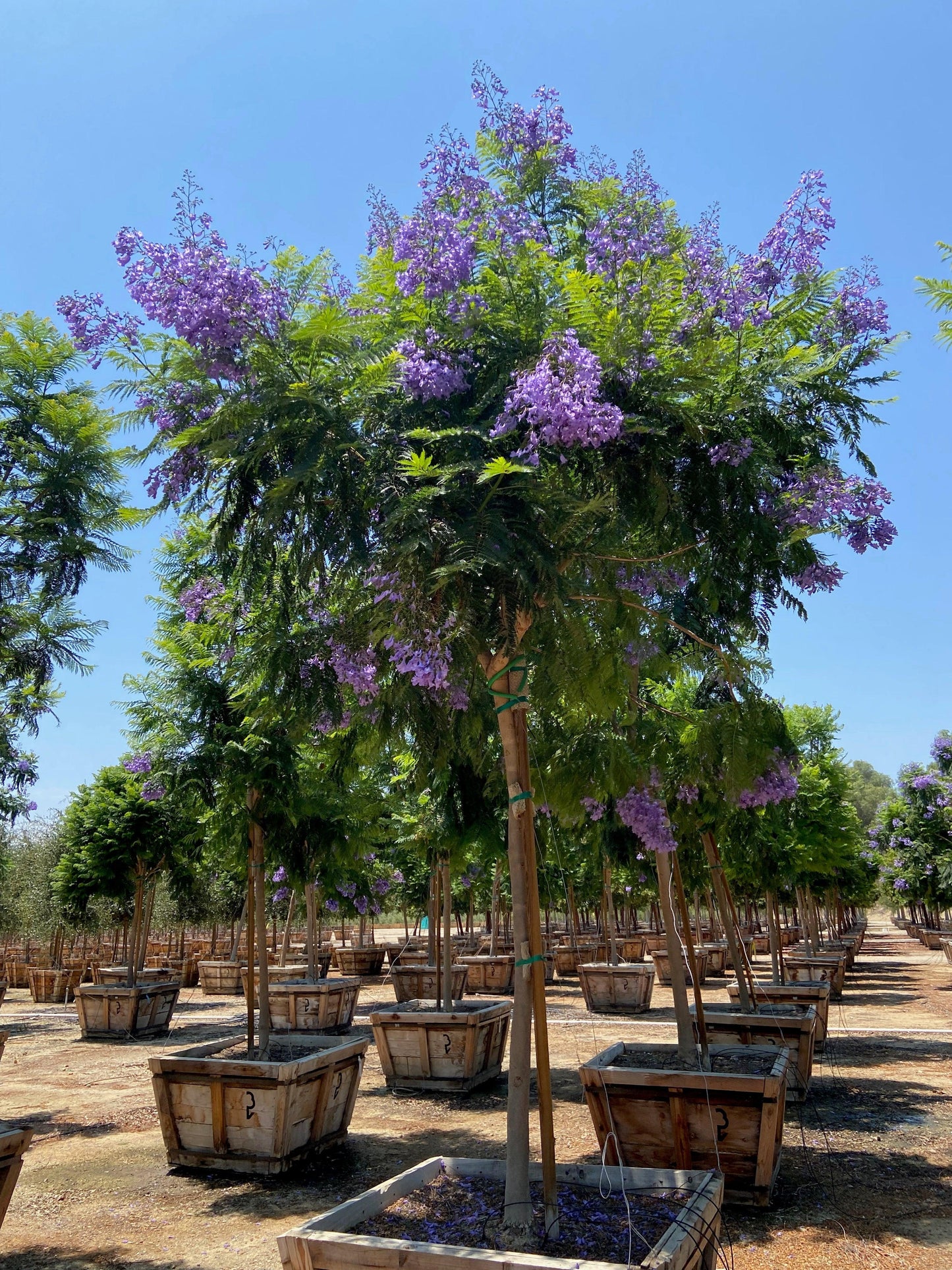
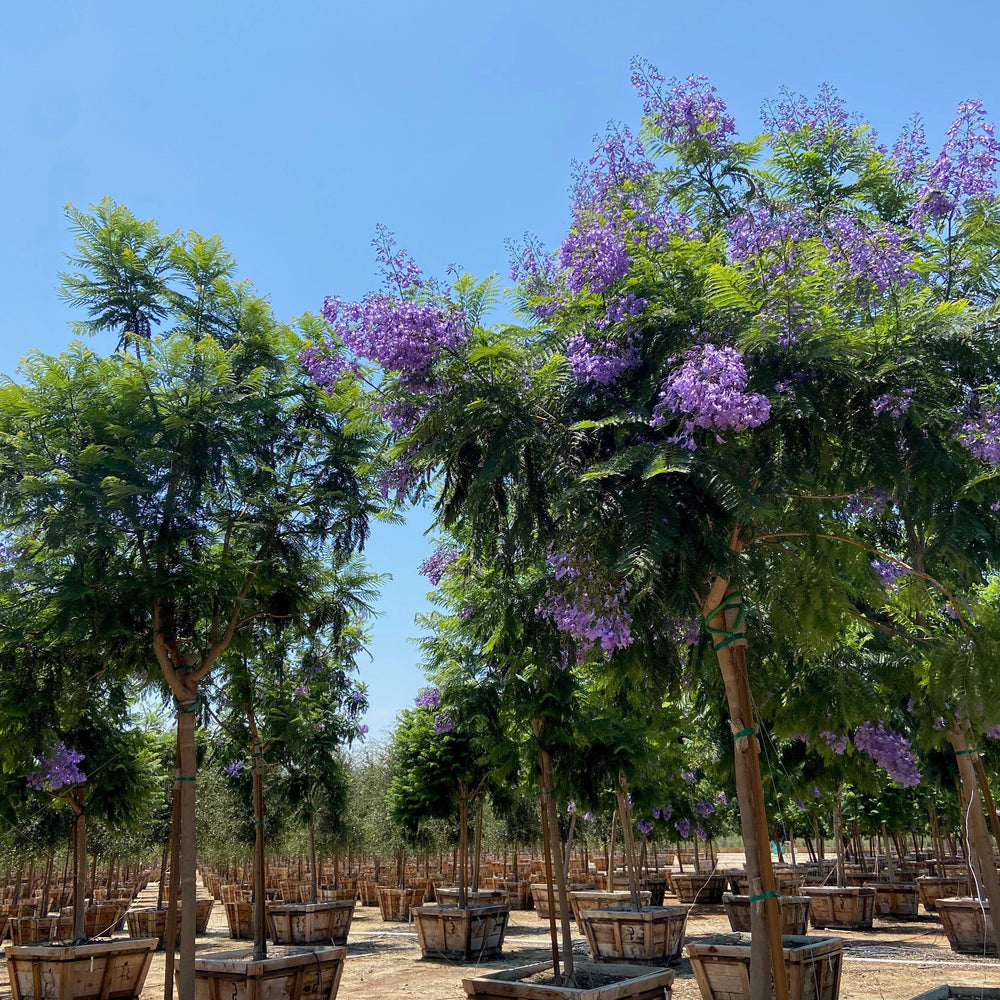
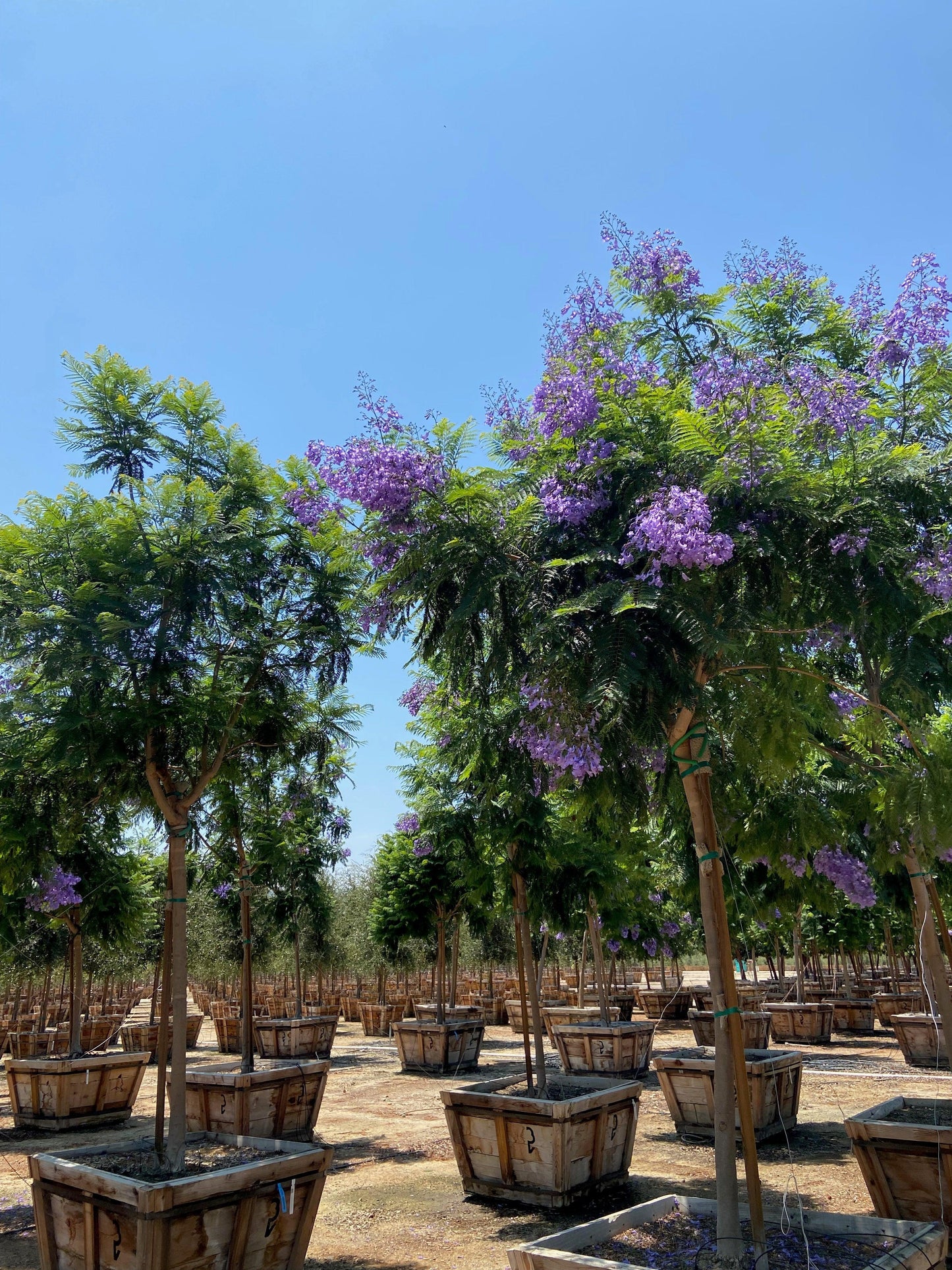

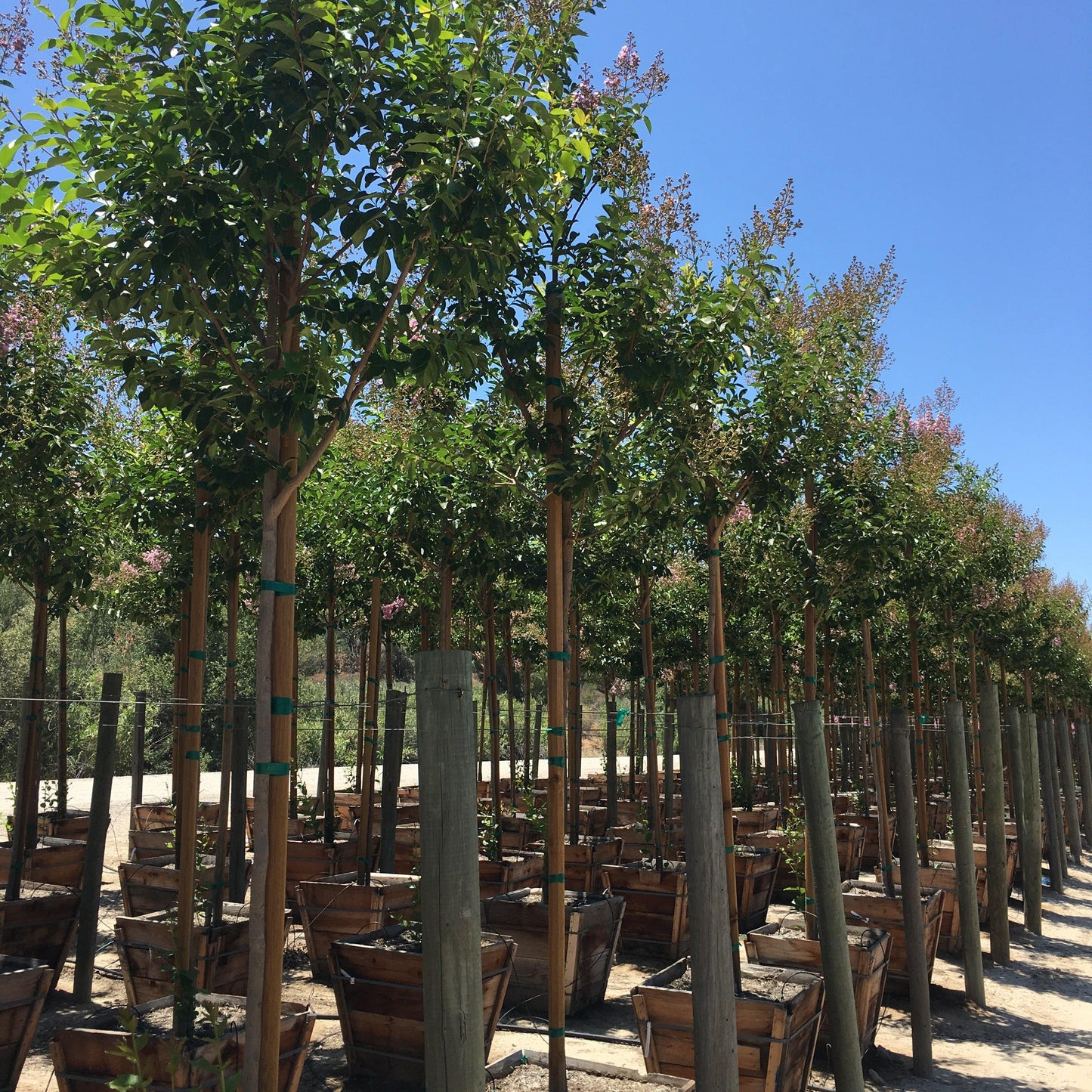









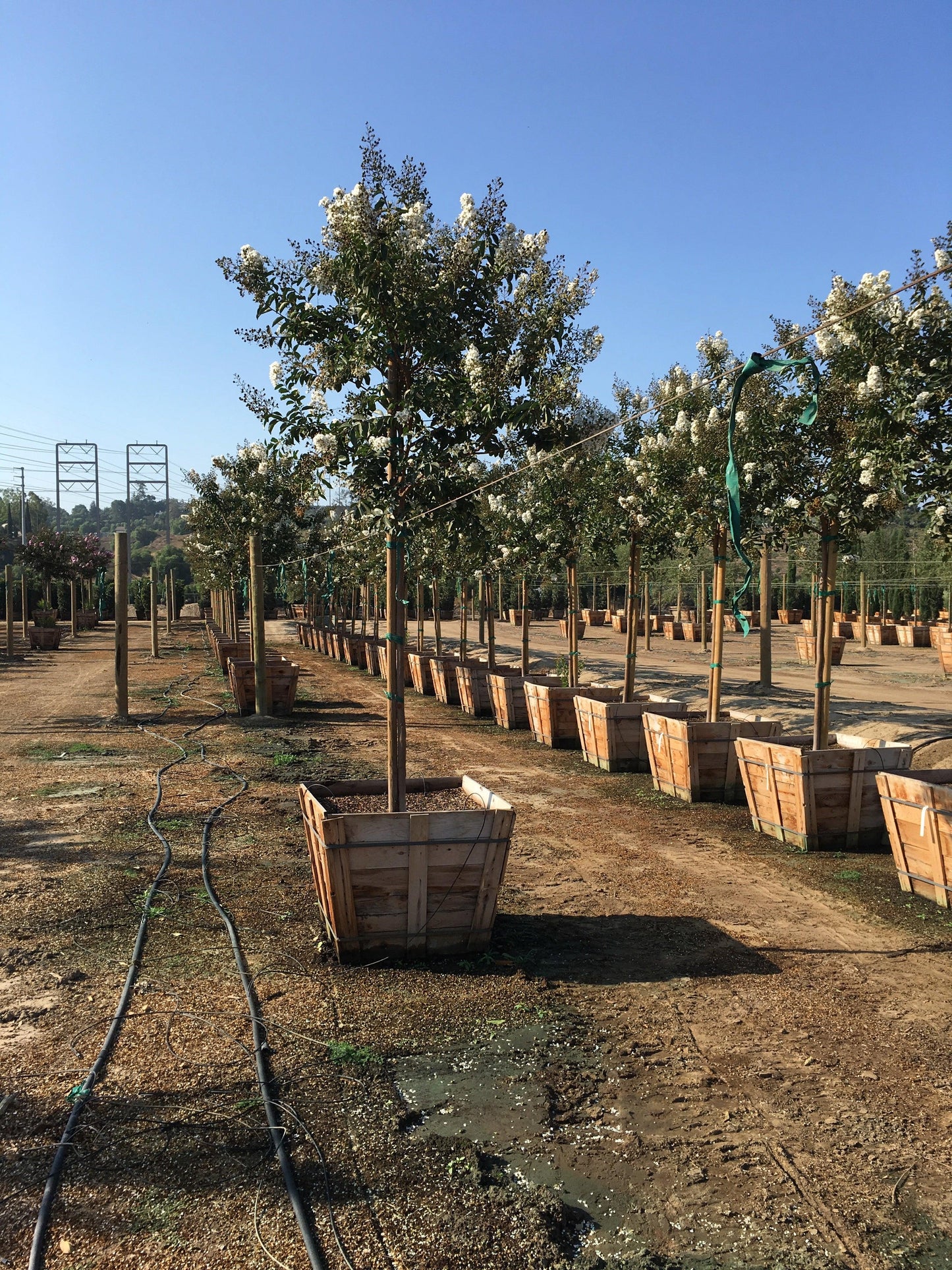

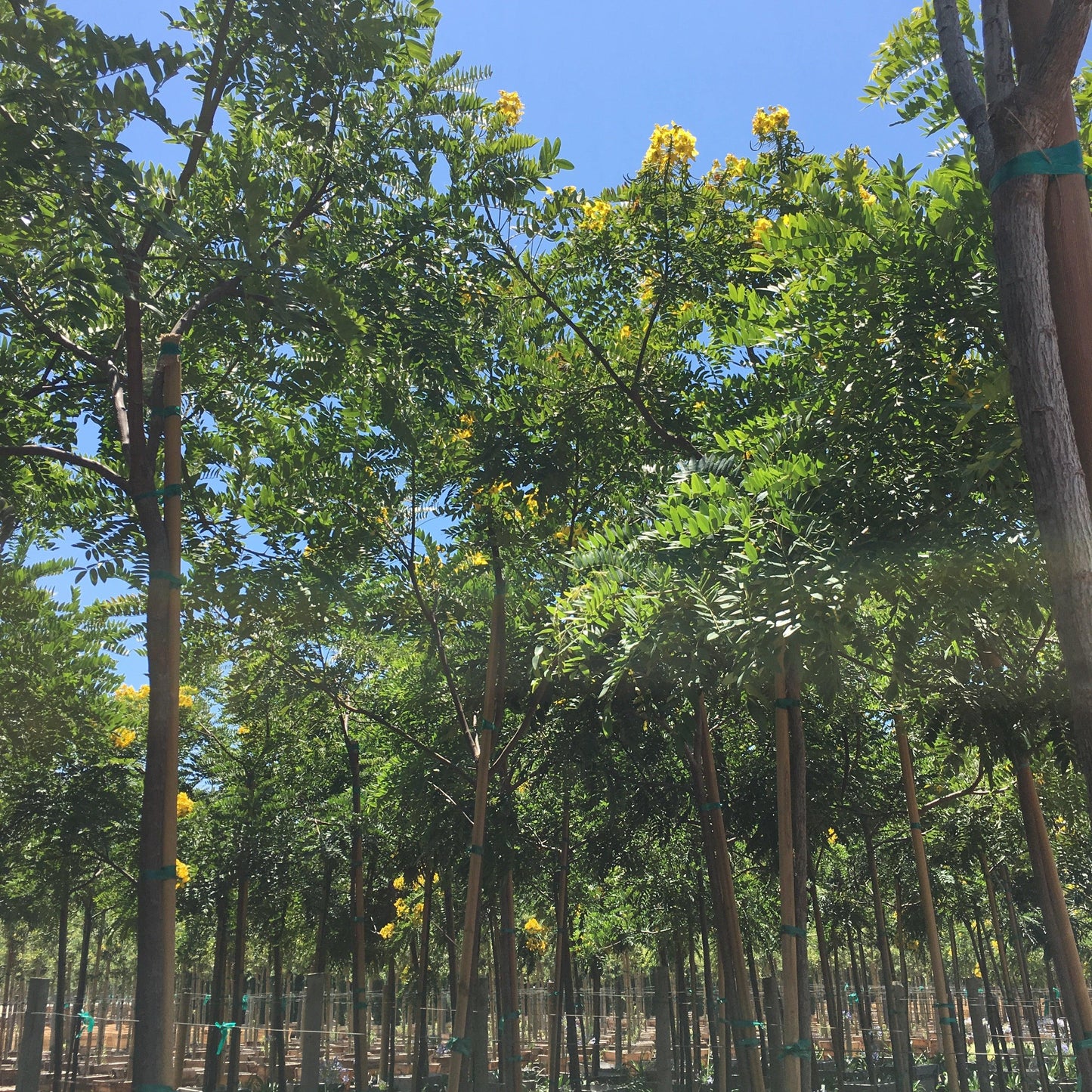

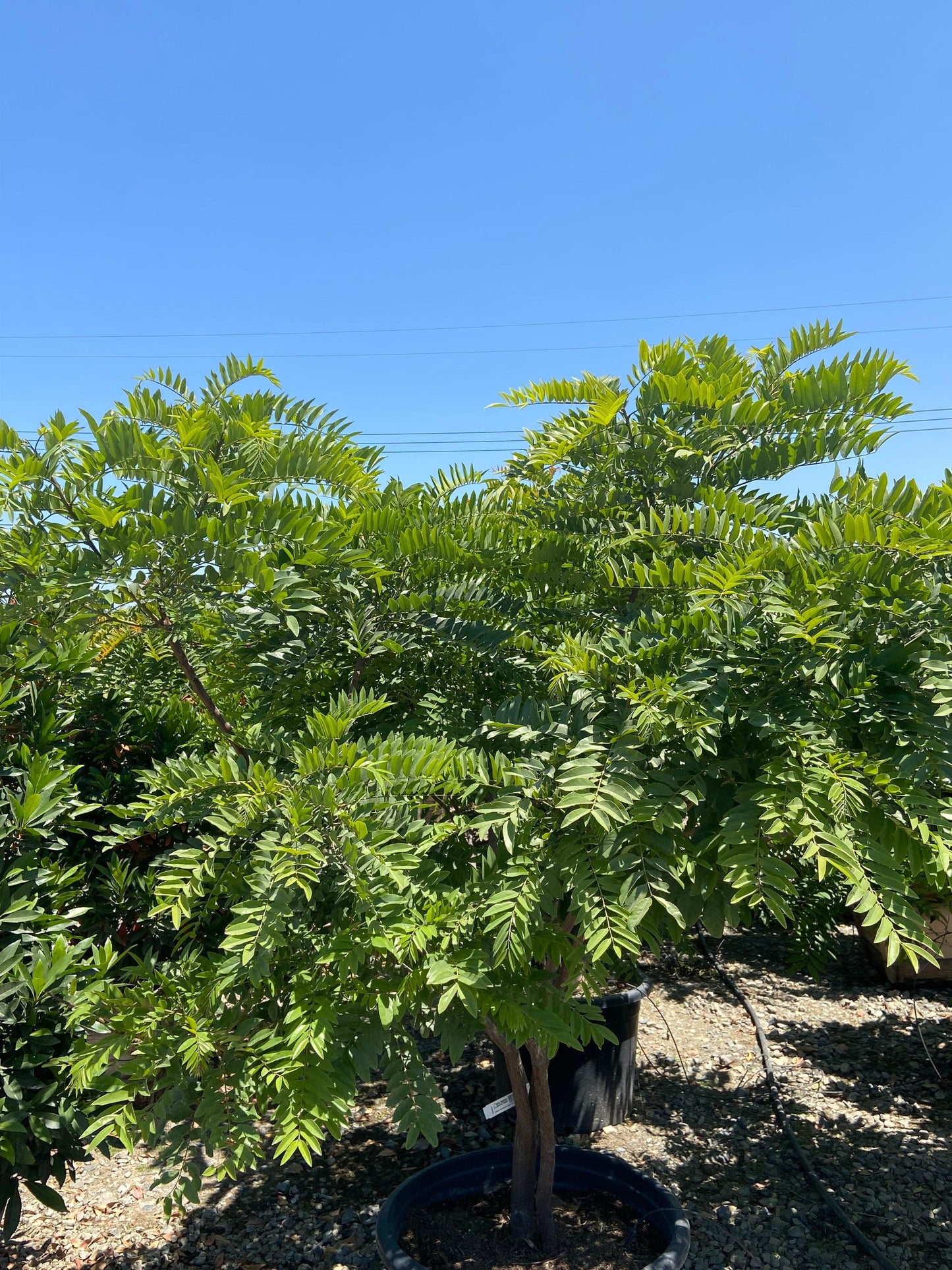


Pairs Well With

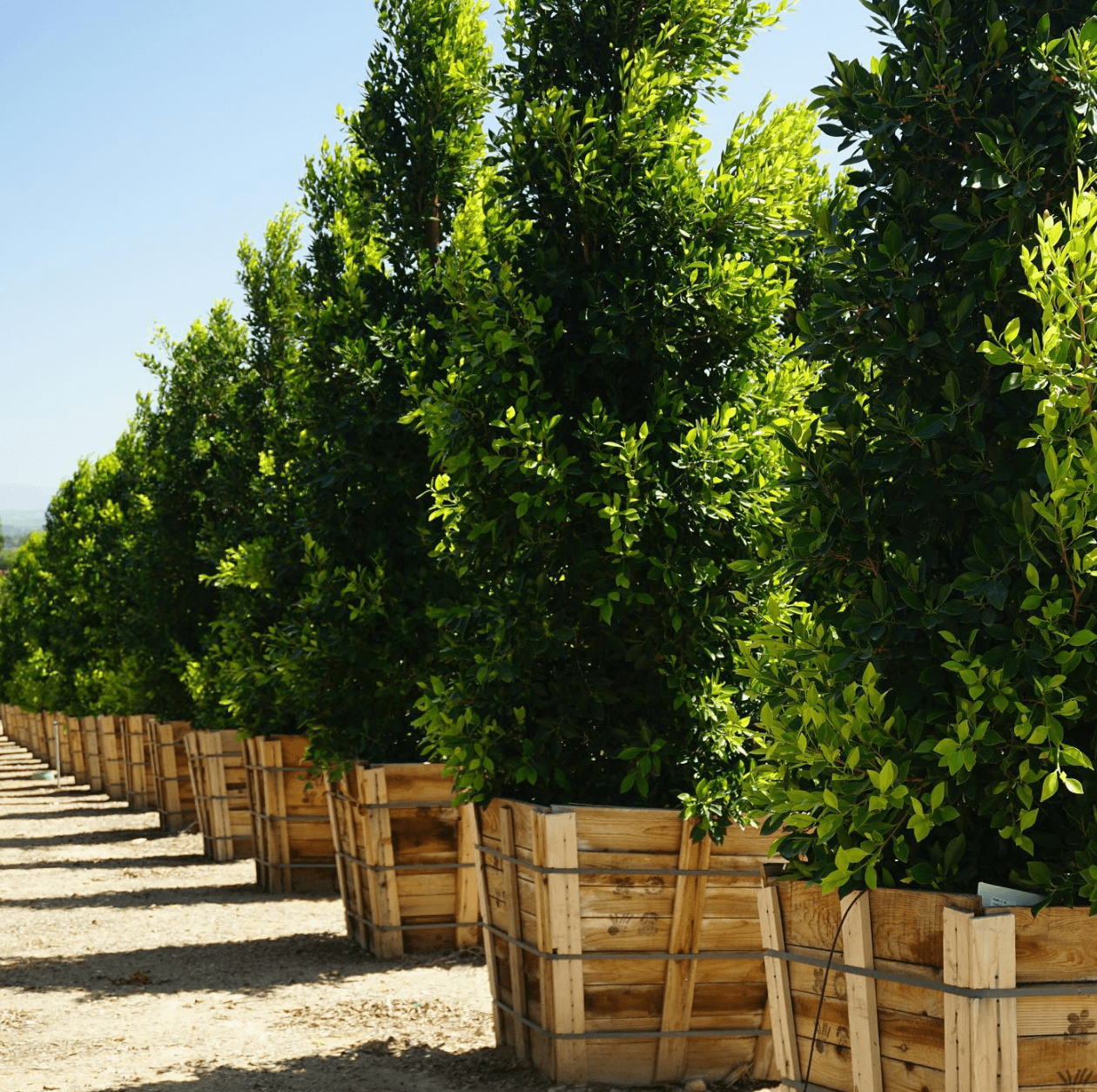

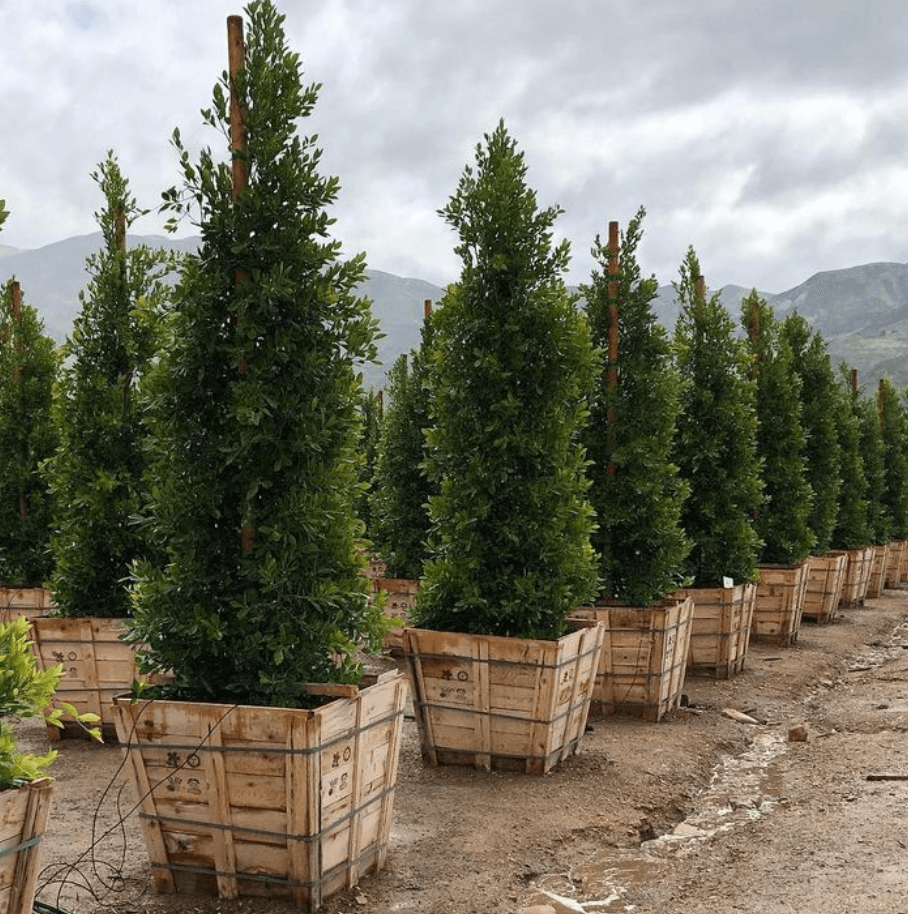

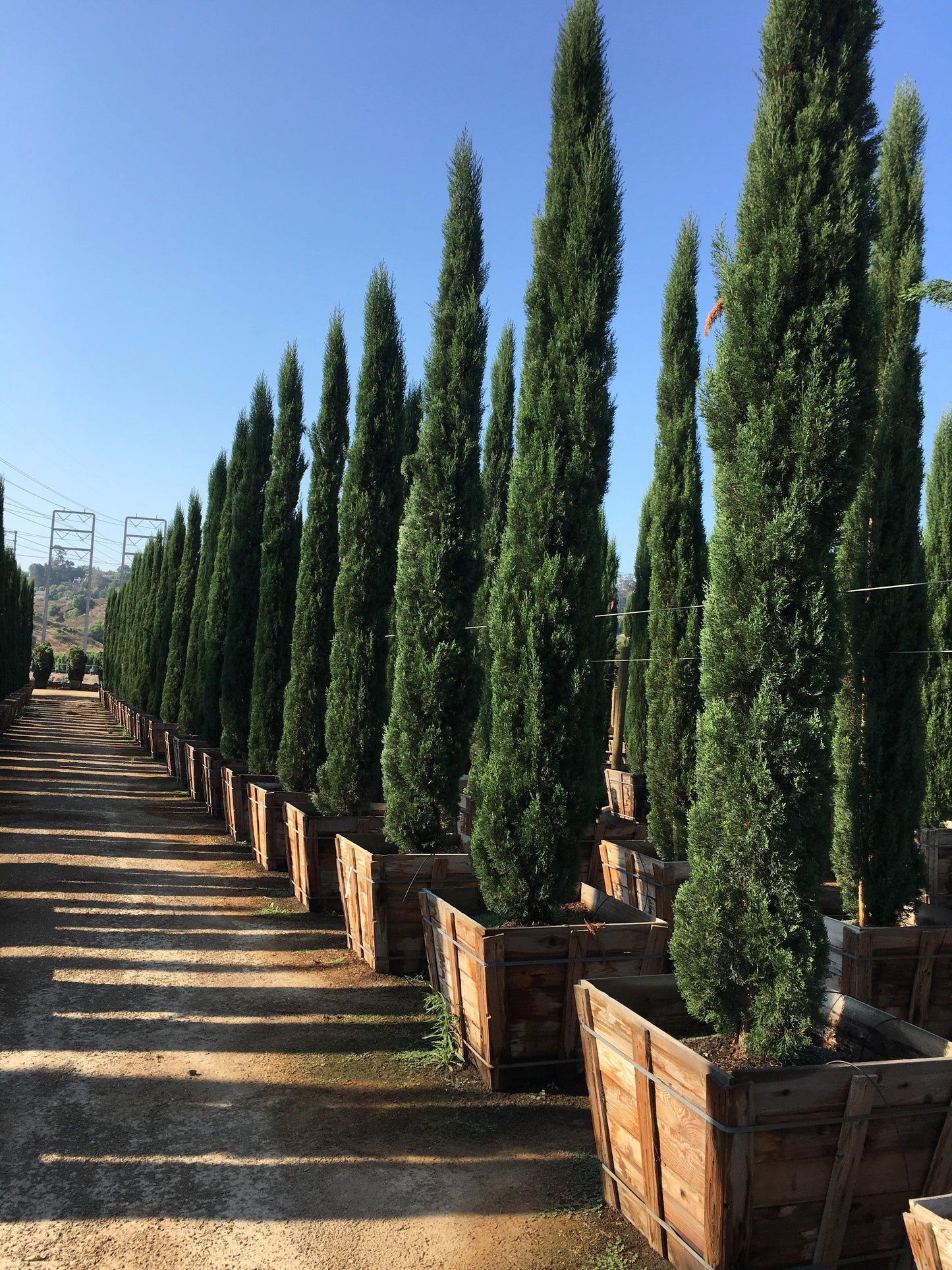

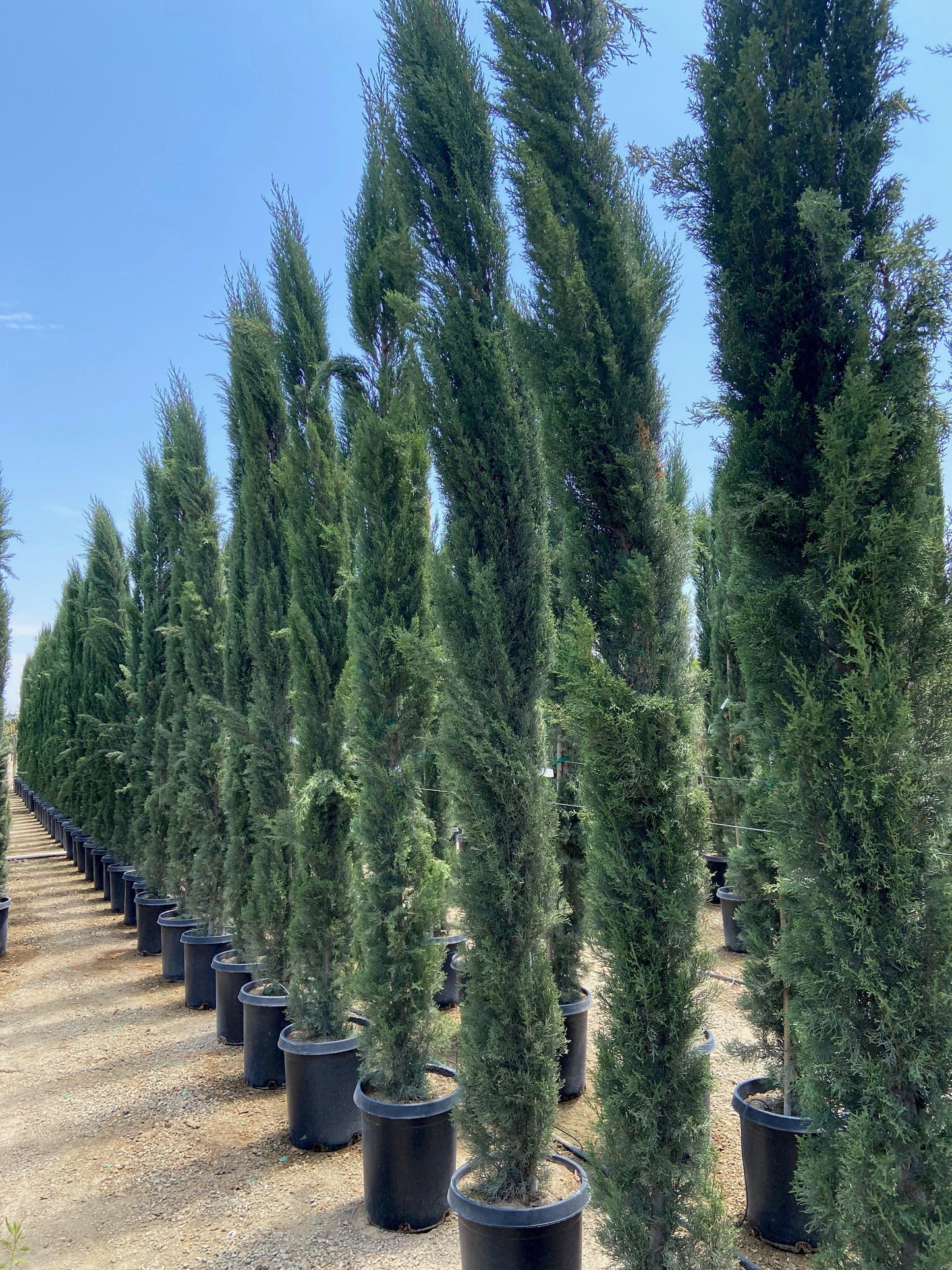

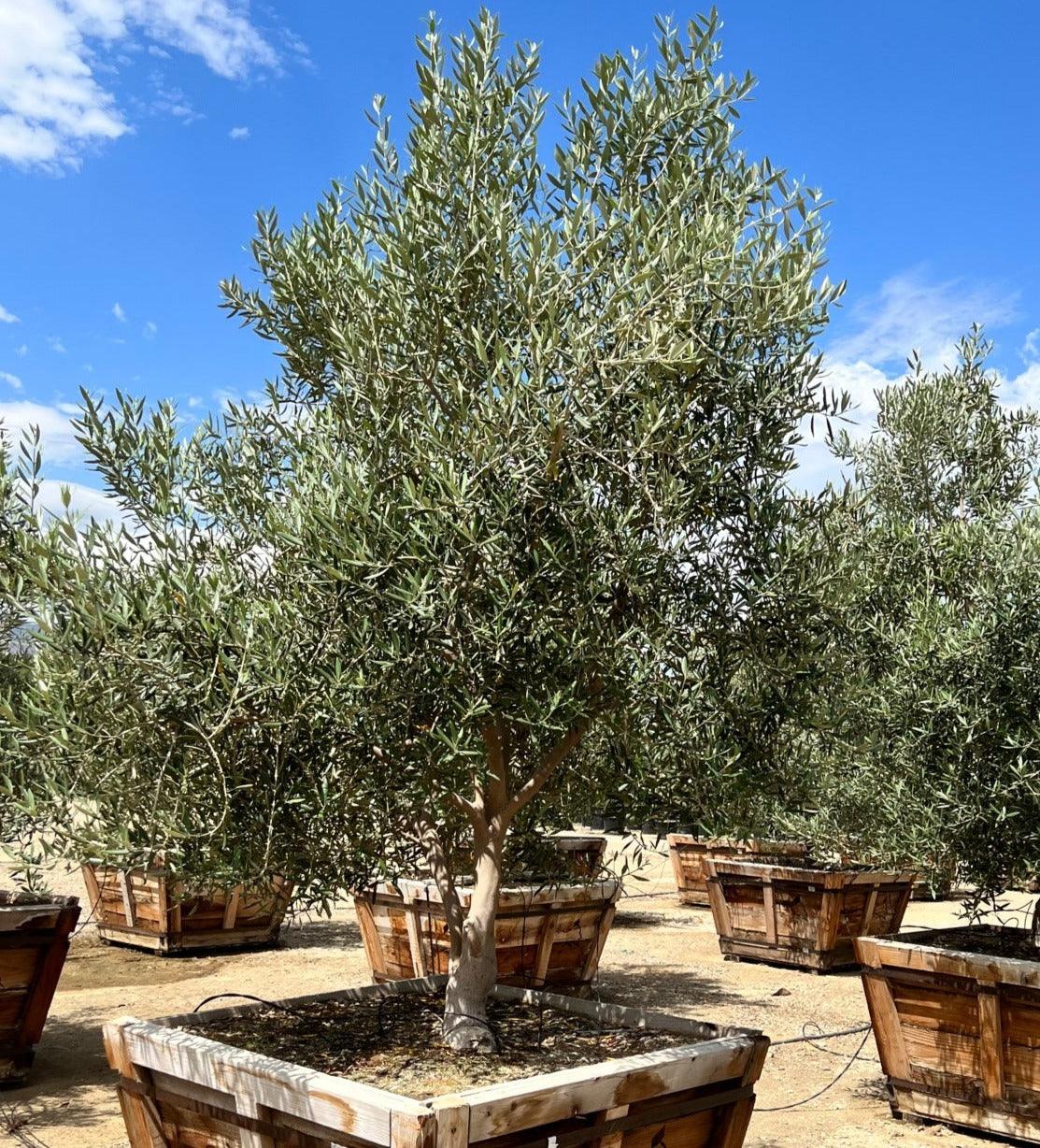





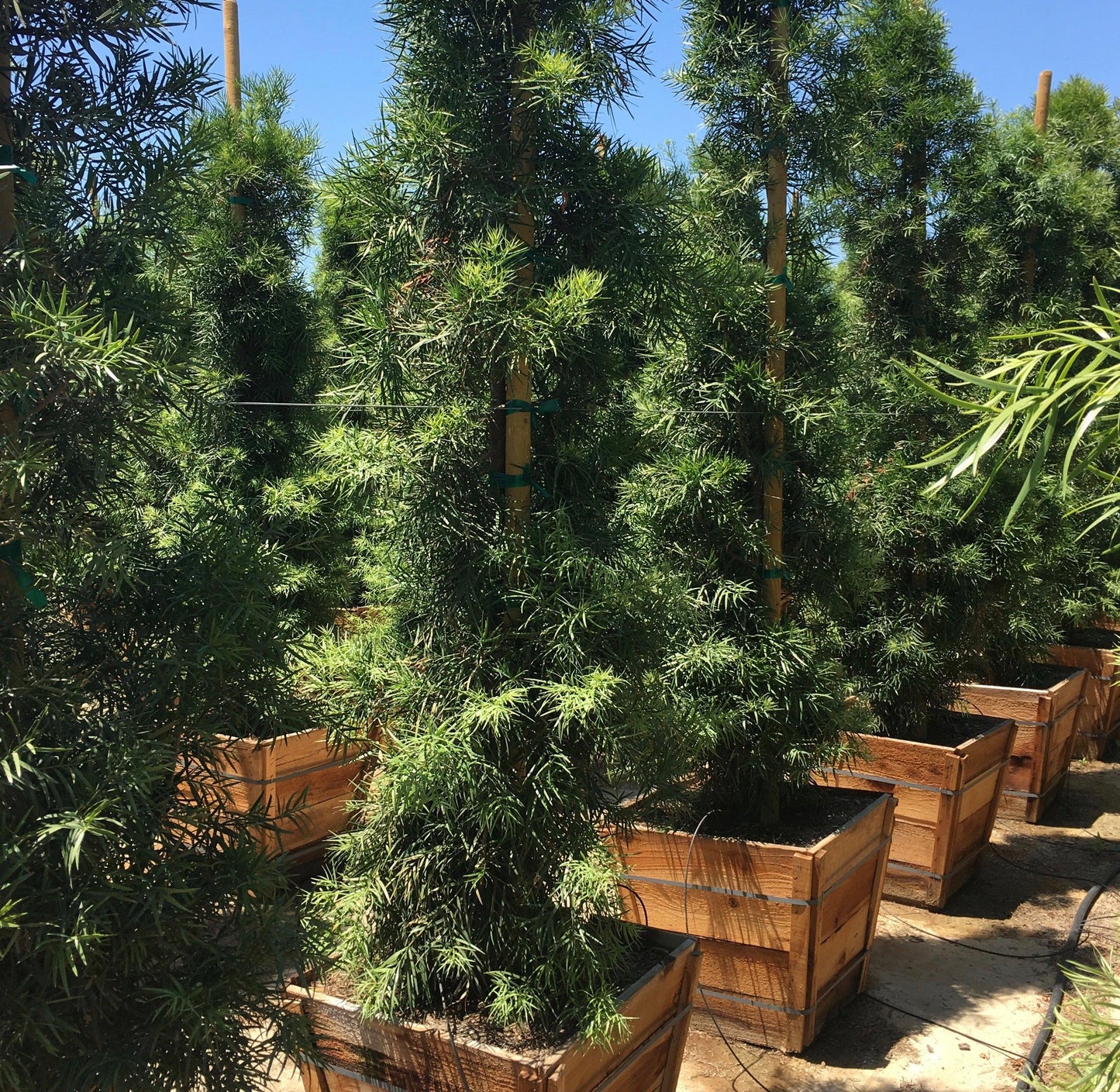

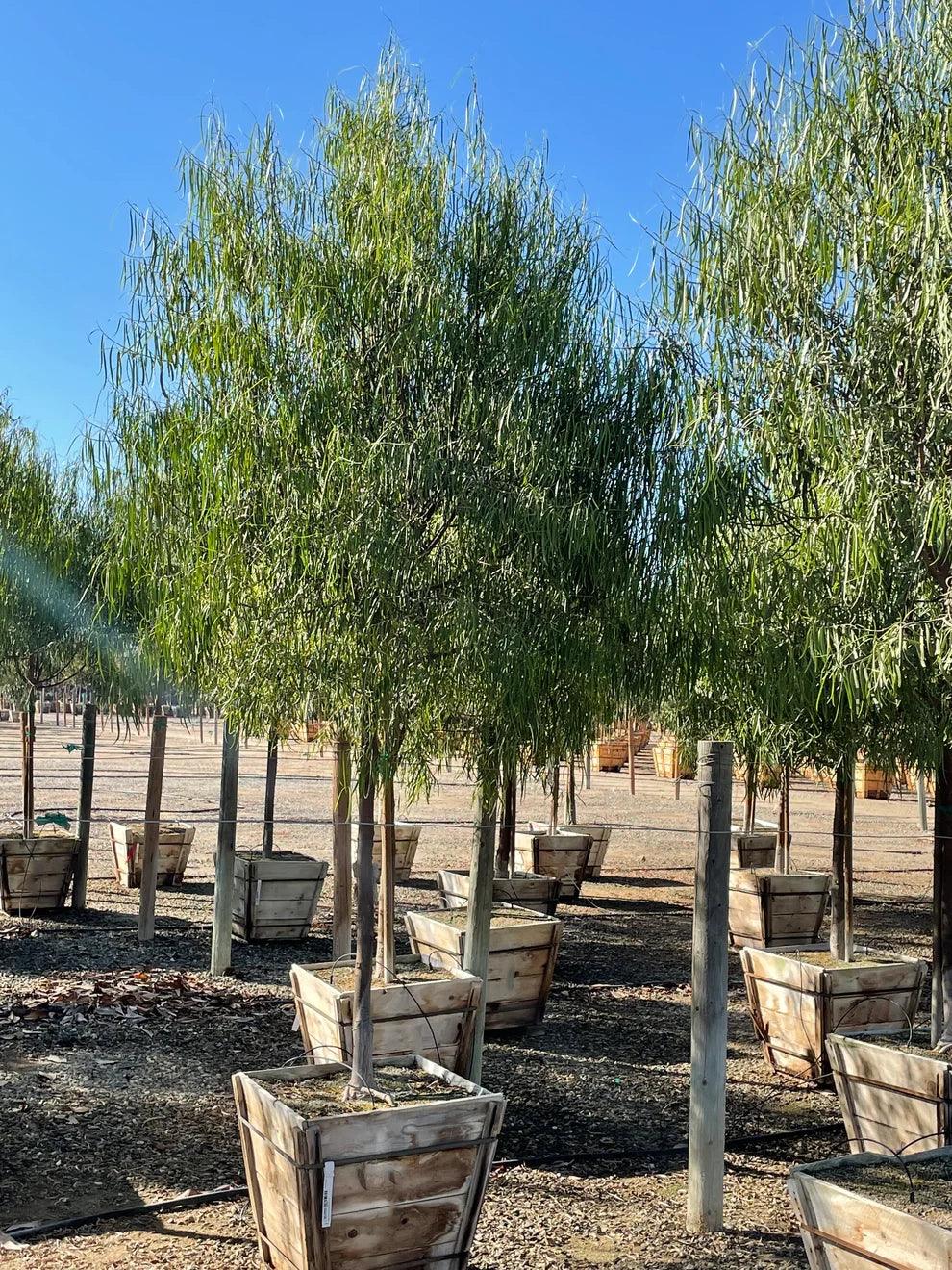

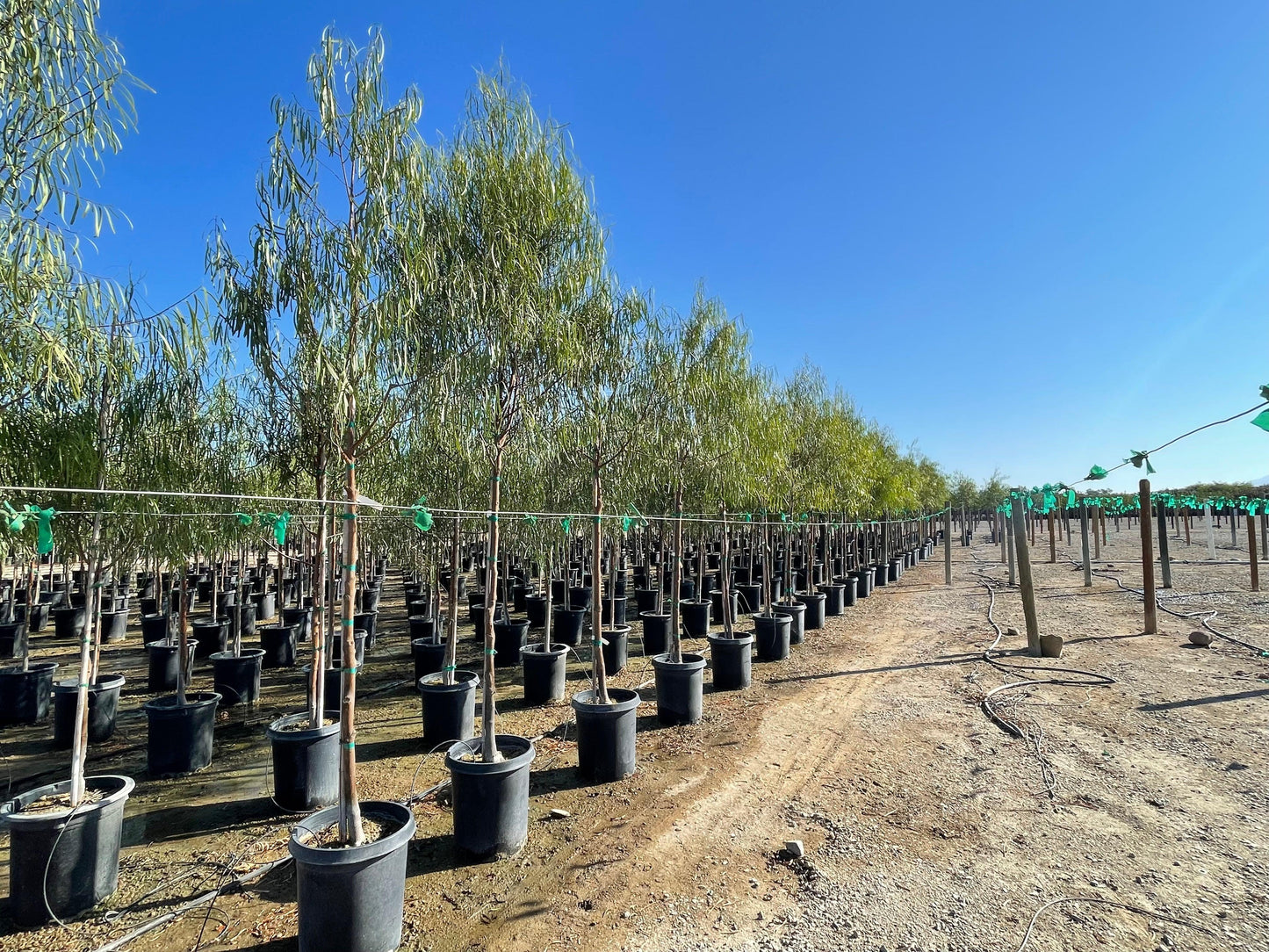

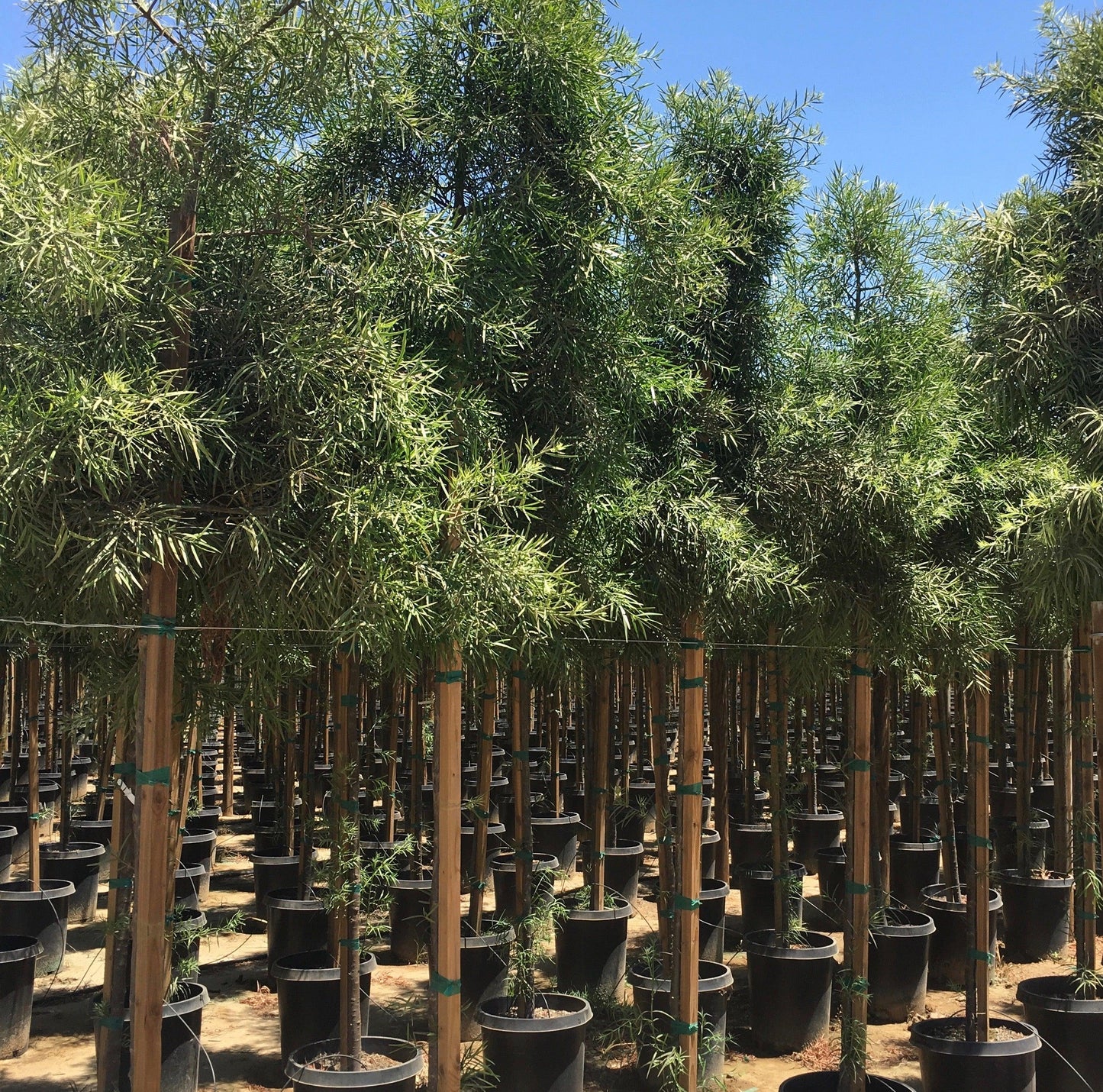
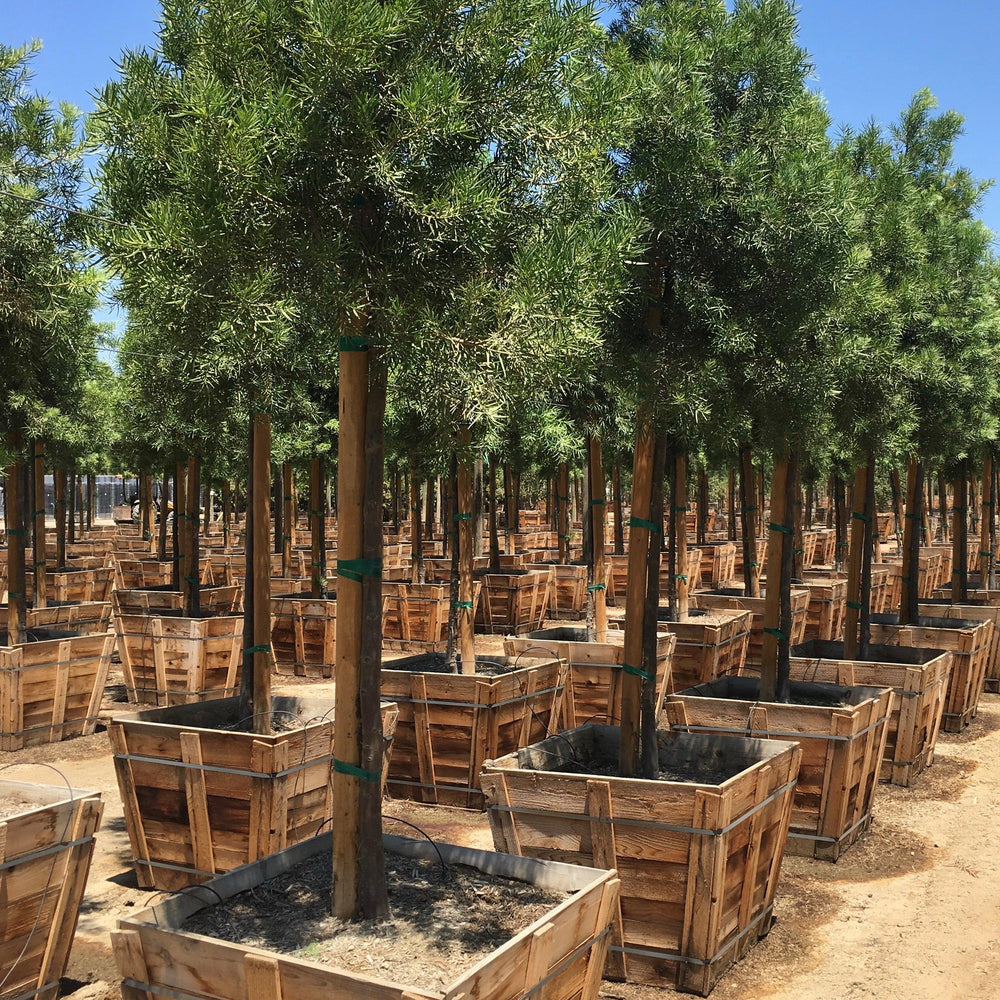
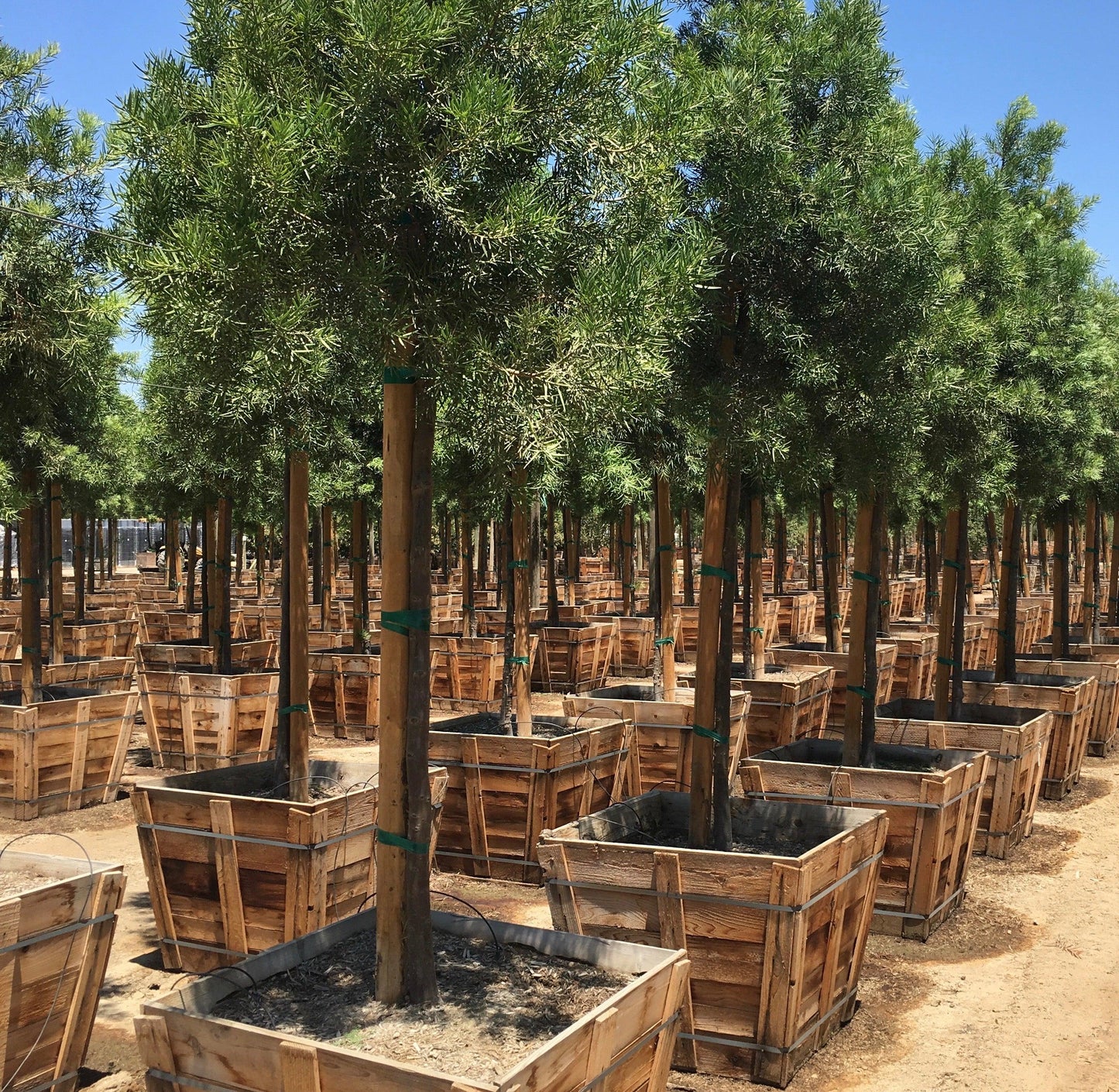
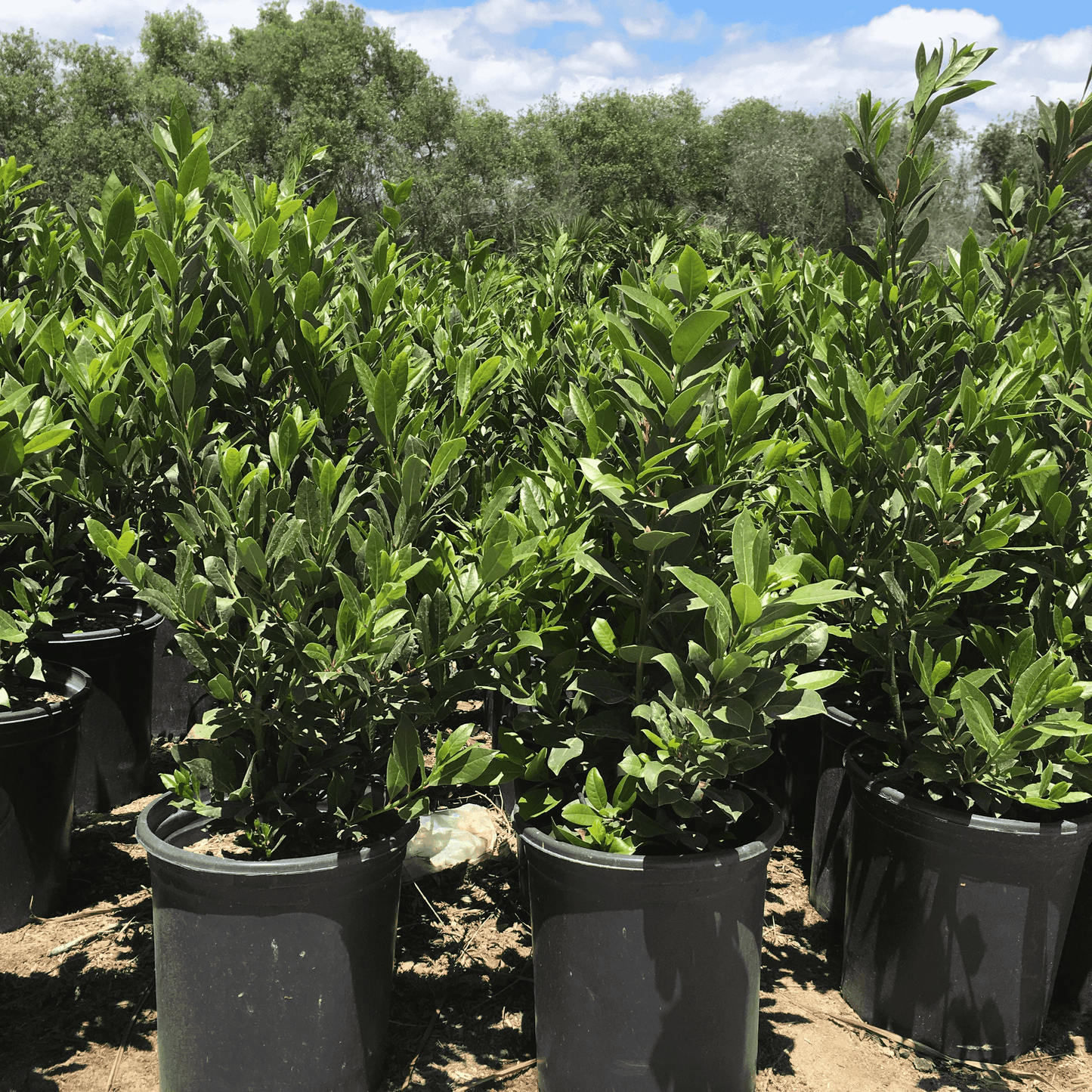
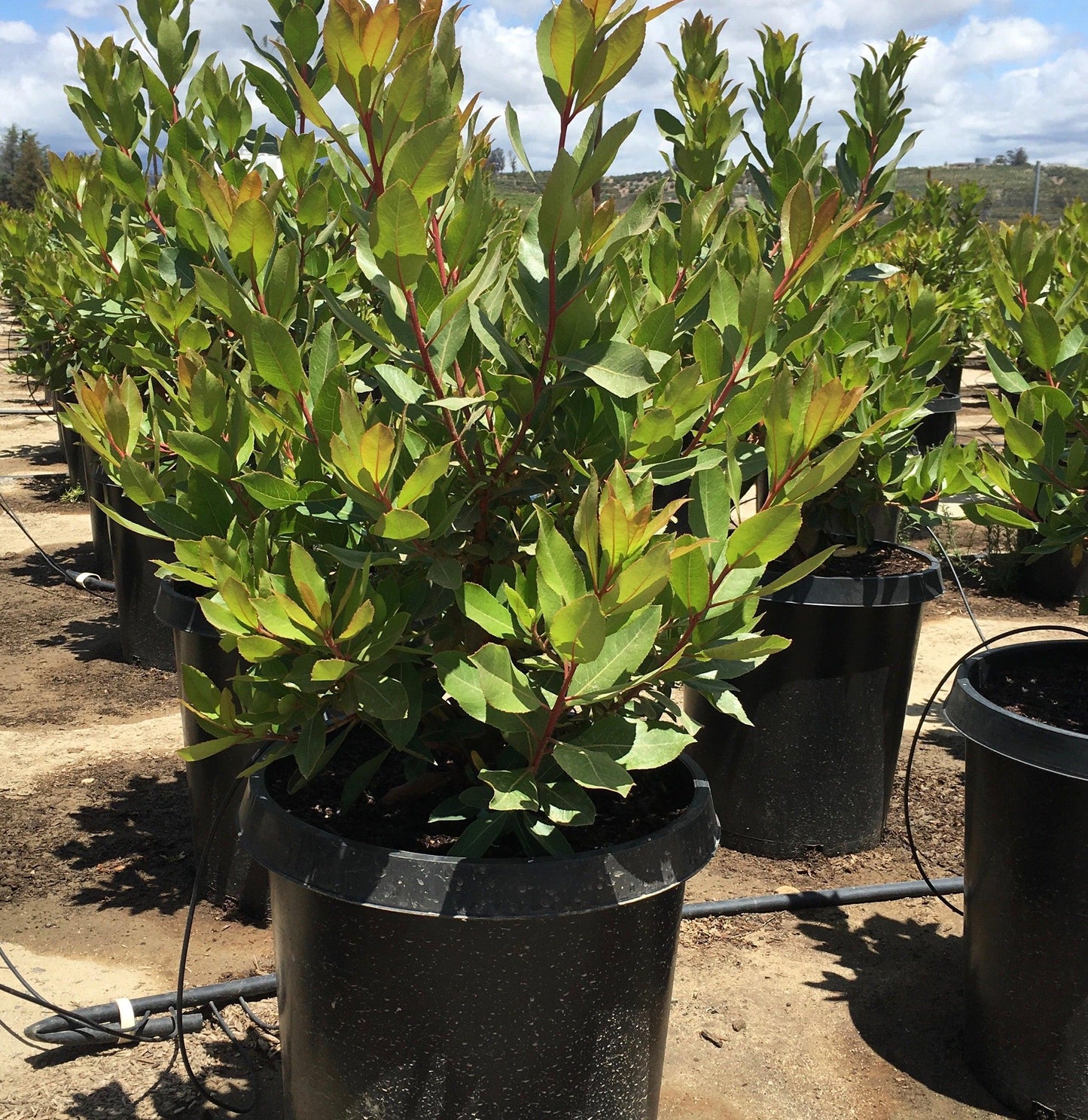
You May Also Like












Thousands of Healthy Plants Delivered


Yardwork was so great to work with. First they had the Swan Hill olive trees that we had been searching for, we had contacted several other nurseries without any luck previously. Then they answered all of our questions in a timely matter prior to ordering and finally delivered within a few days of placing it. Their staff is incredibly knowledgeable; they delivered and planted our trees with expertise to ensure that they would do well in our yard. We would definitely work with them again for future projects.











A Modern Experience
At Yardwork, we carefully curate thousands of plants, in all container sizes, to provide you with the best selection of the highest quality trees and plants at the best price, with the convenience of an online platform.
Uncompromised Quality
We choose only the finest specimens and hand select our plants just before delivery to ensure you receive the freshest and most robust specimens available for your landscape.
Industry Leading Warranties
Our 30, 90, and 365 extended warranties provide some of the best coverage to ensure our trees and plants thrive in your landscape.
Frequently Asked Questions
We're committed to changing everything about trees and plants - how they’re grown, how you shop for them, and how much they cost. We handle orders ourselves. No middlemen to get between us (or our prices) and you.
We're committed to changing everything about trees and plants - how they’re grown, how you shop for them, and how much they cost. We handle orders ourselves. No middlemen to get between us (or our prices) and you.
Delivery does not include unloading of trees and plants LARGER than a 24" box.
Trees and plants in smaller containers will be dropped curbside (usually on the driveway or near the front doorstep).
Delivery beyond a curbside drop will be charged extra.
Trees and plants that are sold in container sizes LARGER than a 24" box size will require equipment and/or enough manpower onsite to help unload from the truck.
Please reach out to our team PRIOR to placing your order to help coordinate.
Our team can provide unloading assistance with equipment for an extra fee as well.
Delivery does not include unloading of trees and plants LARGER than a 24" box.
Trees and plants in smaller containers will be dropped curbside (usually on the driveway or near the front doorstep).
Delivery beyond a curbside drop will be charged extra.
Trees and plants that are sold in container sizes LARGER than a 24" box size will require equipment and/or enough manpower onsite to help unload from the truck.
Please reach out to our team PRIOR to placing your order to help coordinate.
Our team can provide unloading assistance with equipment for an extra fee as well.
We ship locally within California within 7-10 days of your order being placed.
We ship nationally using carrier partners, based on order size. Our common order minimums for out of state shipping is $5,000.
Text or call 323-576-4159 for specific shipping details for your location.
We ship locally within California within 7-10 days of your order being placed.
We ship nationally using carrier partners, based on order size. Our common order minimums for out of state shipping is $5,000.
Text or call 323-576-4159 for specific shipping details for your location.
We are currently online only and don't have physical locations where you can view plants in person.
That's why we have photos direct from the growing grounds of the plants we will ship and we display pricing right in our store.
We do make sure to pick the very best trees and plants prior to shipping and make sure that they have gone through our multi-point inspection for health and structure.
We will always reach out prior to delivery if we find a quality issue or need to provide a substitute.
We are currently online only and don't have physical locations where you can view plants in person.
That's why we have photos direct from the growing grounds of the plants we will ship and we display pricing right in our store.
We do make sure to pick the very best trees and plants prior to shipping and make sure that they have gone through our multi-point inspection for health and structure.
We will always reach out prior to delivery if we find a quality issue or need to provide a substitute.
Plants vary greatly by type. Here is a rough idea of sizes based on containers that are direct from our growing grounds.
15 Gallon Shrub 3-4 Ft. Tall
15 Gallon Tree 5-6 Ft. Tall
24" Box Shrub 5-6 Ft. Tall
24" Box Tree 6-7 Ft. Tall
36" Box Shrub/Tree 7-9 Ft. Tall
48" Box Shrub/Tree 8-10 Ft. Tall
**Please note that we do not make guarantees of sizes. If you have questions or concerns, please call or text to request accurate sizing for the particular plant you're considering, prior to ordering.
Plants vary greatly by type. Here is a rough idea of sizes based on containers that are direct from our growing grounds.
15 Gallon Shrub 3-4 Ft. Tall
15 Gallon Tree 5-6 Ft. Tall
24" Box Shrub 5-6 Ft. Tall
24" Box Tree 6-7 Ft. Tall
36" Box Shrub/Tree 7-9 Ft. Tall
48" Box Shrub/Tree 8-10 Ft. Tall
**Please note that we do not make guarantees of sizes. If you have questions or concerns, please call or text to request accurate sizing for the particular plant you're considering, prior to ordering.
We offer a limited 30 day warranty for plants that are delivered and planted by someone else and a 90 day warranty for plants that we plant.
The limited warranty covers plants that die as a result of disease or fungus which was derived from our growing grounds or from root balls that were root bound.
The warranty does not cover damage due to watering, fertilizer, soils, or any other conditions beyond our control. Additionally, the warranty does not cover plants that are shipped out of the state of California or shipped into California from other states. Custom plant orders are also not covered under warranty. Plants must be planted within 24 hours after delivery to qualify.
We can assist you in recommending the right soils and fertilizers to help your plant thrive after you plant it.
Text or call 323-576-4159 for further warranty information.
We offer a limited 30 day warranty for plants that are delivered and planted by someone else and a 90 day warranty for plants that we plant.
The limited warranty covers plants that die as a result of disease or fungus which was derived from our growing grounds or from root balls that were root bound.
The warranty does not cover damage due to watering, fertilizer, soils, or any other conditions beyond our control. Additionally, the warranty does not cover plants that are shipped out of the state of California or shipped into California from other states. Custom plant orders are also not covered under warranty. Plants must be planted within 24 hours after delivery to qualify.
We can assist you in recommending the right soils and fertilizers to help your plant thrive after you plant it.
Text or call 323-576-4159 for further warranty information.
Our local delivery team covers most cities in California.
There are some exceptions, so please get in touch to confirm prior to ordering.
Additionally, we ship using semi trucks and trailers throughout the entire United States and even abroad for large orders over $5,000. Each shipment is custom, so please reach out to our team to coordinate.
Our local delivery team covers most cities in California.
There are some exceptions, so please get in touch to confirm prior to ordering.
Additionally, we ship using semi trucks and trailers throughout the entire United States and even abroad for large orders over $5,000. Each shipment is custom, so please reach out to our team to coordinate.