



Mexicola Avocado Tree (Type A)
Regular price
$1,450.00
Title
The Cold-Hardy Avocado That Thrives Where Others Can’t
Grow avocados in cooler California yards with the Mexicola Avocado Tree, one of the best cold hardy avocado trees for home gardens that fall outside the usual Hass-friendly climates.
This cold-tolerant mexicola tree can withstand temperatures as low as 20°F, making it suitable for USDA hardiness zones 8-11 when planted outdoors. In colder areas, Mexicola avocado trees can grow in zones 4-11 if they can be brought inside during colder weather.
What makes Mexicola especially appealing is the combination of rugged performance and exceptional fruit quality: small, glossy, purple-black avocados with edible skin, creamy flesh, high oil content, and a rich, nutty flavor that is difficult to find in standard grocery store avocado varieties.
Why You’ll Love It
-
Exceptional Cold Tolerance – This tree can withstand temperatures as low as 20°F, making it suitable for a variety of climates, including tropical and subtropical regions, and far more adaptable than many common avocado trees.
-
Early Fruit Production – The Mexicola avocado tree bears fruit early and regularly, with a season that typically runs from August to October.
-
Unique Edible Skin – The thin, smooth, glossy skin turns purple and black when ripe and is completely edible, so eating a Mexicola avocado can be as simple as slicing and enjoying.
-
Compact Growth – The Mexicola avocado tree can grow up to fifteen to twenty feet tall and has a width of around five to eight feet, making it easier to place in smaller yards than larger avocado varieties.
-
Rich, Nutty Flavor – The flesh of the Mexicola avocado is known for its excellent flavor, with some sources noting it has a high oil content of up to 20%, contributing to its rich and nutty taste.
What Makes It Different
Most avocado trees struggle when winter temps drop, especially varieties traditionally grown in warmer coastal or South Florida conditions. Mexicola is built for gardeners who want beautiful trees that can handle more cold, more climate variation, and real backyard growing conditions.
Mexicola Avocado Tree has:
-
Historical Hardiness – Originating around 1910 in Pasadena, California, the Mexicola avocado is very heat- and cold-resistant, making it a popular choice in California breeding programs.
-
Aromatic Foliage – The Mexicola avocado tree has a narrow trunk, thin appearance, and gray bark, with green leaves that emit a licorice scent when crushed.
-
Extended Growing Range – This cultivar can thrive in hardiness zones 8-11 outdoors, and with container protection it can be grown in zones 4-11, giving gardeners from cooler California areas to Texas more options where other avocado varieties like Hass may fail.
Mexicola avocados are often not found in standard grocery stores due to their delicate skin and are typically grown by home gardeners or sourced from specialty growers. That makes this tree a practical choice if you want fruit you cannot reliably buy at the store.
Compared with mexicola grande avocados, the classic Mexicola usually has smaller fruit and a more delicate skin. Mexicola Grande may offer larger avocados, but many growers still value the original Mexicola for its cold hardiness, edible skin, and concentrated taste.
How To Grow The Mexicola Avocado Tree
-
Plant in Well-Drained Soil
Mexicola avocado trees thrive in well-draining, loose, sandy loam soil with a pH of 6.0 to 6.5. These trees prefer well-drained soil and do not do well in heavy clay soils, which can hinder their growth and increase the risk of root rot. Planting slightly above grade can help keep the root zone out of standing water. -
Provide 6+ Hours Sunlight
For best fruit production, give the tree strong direct sunlight. Mexicola avocado trees require full sun for optimal growth, ideally receiving at least 8 hours of sunlight daily, but they can also tolerate partial shade with reduced fruit production. Plant in spring after frost risk has passed so the tree has a full summer to establish. -
Harvest August Through December
The Mexicola avocado tree bears fruit early and regularly, with a season that typically runs from August to October. In some California growing conditions, fruit may mature into September, October, or even December. Avocados reach maturity on the tree, then soften and ripen after harvest; pick when the skin has turned deep purple-black rather than green.
Protect young trees carefully. Young Mexicola avocado trees are vulnerable to freezing and require protection at temperatures below 28°F. In mid winter, use frost cloth, mulch, and a protected microclimate; avoid wrapping tender branches tightly in plastic, which can trap moisture and cause damage. If container-grown, move the tree into protection during hard winter cold, including January cold snaps, or consider installing mature trees for instant structureelsewhere in the yard so young avocados aren’t your only canopy.
Tree Specifications
-
Mature Size: 15-20 feet tall, 5-8 feet wide
-
Hardiness Zones: USDA 8-11 outdoors; zones 4-11 if brought inside during colder weather
-
Cold Tolerance: Can withstand temperatures as low as 20°F
-
Young Tree Protection: Protect young trees below 28°F
-
Fruit Size: The Mexicola avocado is a small fruit, typically weighing between 4 to 7 ounces, and has glossy skin that turns purple and black when it ripens.
-
Seed: The Mexicola avocado typically has a large seed relative to its size, which is a characteristic feature of this variety.
-
Flesh: Creamy yellow-green flesh with excellent flavor and high oil content of up to 20%
-
Fruit Season: Typically August through October, with some California harvest windows extending later into the season
-
Years to Fruit: Commonly 3-4 years after planting for healthy grafted trees
-
Pollination: Type A flowering; flowers open female and male at different times, and fruit set benefits from a Type B pollinator nearby
-
Soil: Loose, well-draining sandy loam with a pH of 6.0 to 6.5
-
Sunlight: Full sun preferred, ideally 8 hours daily; partial shade is tolerated with reduced fruit production
-
Growth Habit: Narrow trunk, thin appearance, gray bark, and licorice-scented green leaves
Who It’s For
Ideal for:
-
California homeowners in cooler coastal and inland areas who want avocado trees that can handle winter cold
-
Gardeners in borderline avocado zones seeking cold hardy avocado trees for real-world climates
-
Small-space gardeners who want compact, productive fruit trees with a manageable spread
-
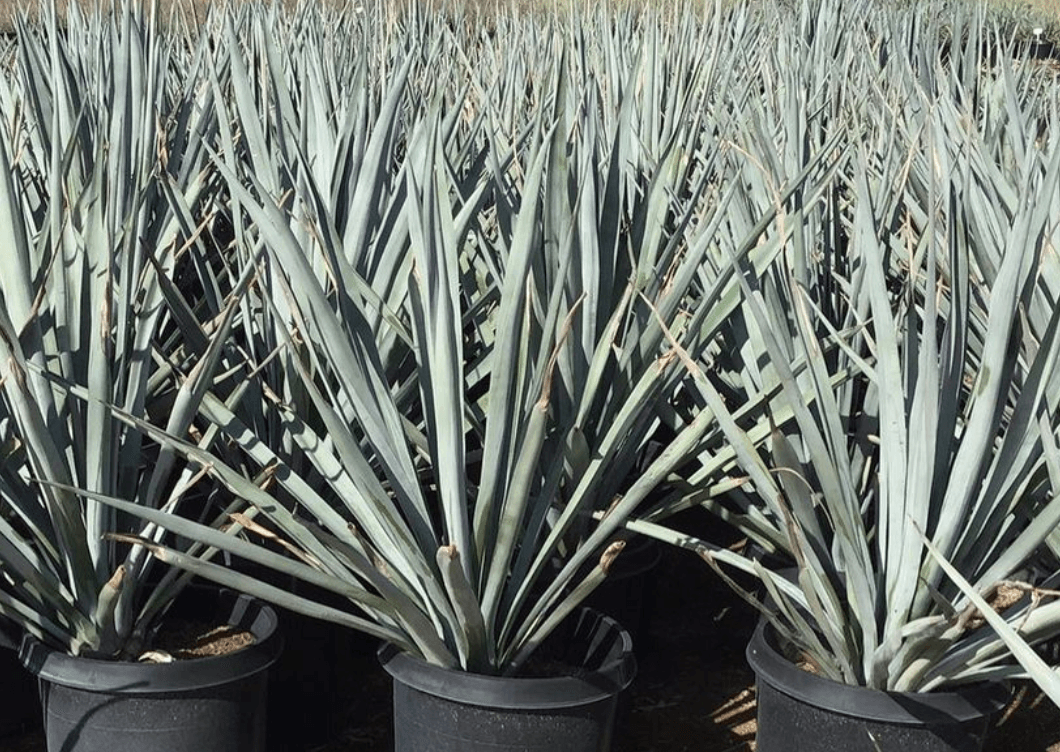
Avocado enthusiasts interested in unique avocado varieties with edible skin, smooth texture, and rich taste, and design-conscious gardeners who may pair them with ornamental choices like Blue Glow Agave
-
Home gardeners who want specialty fruit that is rarely available through normal grocery shipping channels, or who are planning a broader backyard citrus fruit tree collection
If you want avocados with a creamy texture, thin edible skin, and bold nutty flavor, the Mexicola Avocado Tree fits your needs. It is also a smart option for landscapes where beauty matters: these are beautiful trees with fragrant foliage, seasonal bloom, and a compact form that can carry fruit without overwhelming the yard.
Frequently Asked Questions
How cold can Mexicola avocado trees survive?
This tree is known for its cold hardiness, able to withstand temperatures as low as twenty degrees Fahrenheit, making it suitable for hardiness zones 8-11 when planted outdoors. Young Mexicola avocado trees are vulnerable to freezing and require protection at temperatures below 28°F, especially during mid winter cold events.
When do Mexicola avocados ripen?
The Mexicola avocado tree bears fruit early and regularly, with a season that typically runs from August to October. In some California microclimates, harvest may extend into late summer, September, October, November, or December. The fruit should be left on the tree until it reaches maturity and darkens; after harvest, it will ripen off the tree.
Do I need two trees for fruit production?
Mexicola is a Type A flower cultivar, so it can set fruit on its own, but pollination usually improves when a Type B avocado is planted nearby. The flowers open in female and male stages, so a compatible partner can increase fruit set during bloom, and many gardeners combine avocados with fast-growing evergreen privacy trees to create a sheltered microclimate.
How big do the trees get?
The Mexicola avocado tree can grow up to fifteen to twenty feet tall and has a width of around five to eight feet. Give the tree room for branches to spread, and prune lightly after cold damage or after harvest to maintain shape, especially if you’re also planning flowering trees to frame the landscape.
Can I grow it in a container?
Yes. Mexicola avocado trees thrive in hardiness zones 8-11 when planted outdoors and zones 4-11 if they can be brought inside during colder weather. Container growing is useful where ground planting is risky, but the pot must drain well to avoid root rot, just as it does for other patio fruit like a Valencia orange tree or similar citrus.
Why don’t I see Mexicola avocados in grocery stores?
Mexicola avocados are often not found in standard grocery stores due to their delicate skin and are typically grown by home gardeners or sourced from specialty growers. The thin skin and smaller fruit are excellent for fresh eating, but less ideal for long-distance shipping.
What does the fruit taste like?
The flesh is creamy, rich, and known for nutty flavor. Some sources note high oil content of up to 20%, which gives the fruit its satisfying texture and full taste. The edible skin can add a faint herbal note, sometimes compared by growers to licorice or anise rather than apple-like sweetness.
How should I store ripe Mexicola avocados?
Once ripe, eat promptly for best flavor and to reduce browning. Cut fruit can be wrapped and refrigerated for short storage, though the thin skin and delicate flesh are best enjoyed fresh. In hot inland sites, pairing Mexicola with a light-canopy shade provider like a California Pepper Tree can also help protect fruit and foliage from heat stress.
Ready to Add Cold-Hardy Avocados to Your Garden?
Stop limiting your garden to warm-climate avocado varieties. Choose the Mexicola Avocado Tree and grow rich, creamy, edible-skin avocados in climates where many avocado trees struggle, then round out the design with structural trees like the California Pepper Tree for year-round interest.
Yardwork can help you choose the right planting location, confirm good drainage, plan winter protection, and arrange California delivery. Our team supports expert plant selection, soil testing, consultation, and delivery so your tree is planted with the best chance to thrive, and our plant nursery and landscape services make it easier to coordinate everything in one place.
The Cold-Hardy Avocado That Thrives Where Others Can’t
Grow avocados in cooler California yards with the Mexicola Avocado Tree, one of the best cold hardy avocado trees for home gardens that fall outside the usual Hass-friendly climates.
This cold-tolerant mexicola tree can withstand temperatures as low as 20°F, making it suitable for USDA hardiness zones 8-11 when planted outdoors. In colder areas, Mexicola avocado trees can grow in zones 4-11 if they can be brought inside during colder weather.
What makes Mexicola especially appealing is the combination of rugged performance and exceptional fruit quality: small, glossy, purple-black avocados with edible skin, creamy flesh, high oil content, and a rich, nutty flavor that is difficult to find in standard grocery store avocado varieties.
Why You’ll Love It
-
Exceptional Cold Tolerance – This tree can withstand temperatures as low as 20°F, making it suitable for a variety of climates, including tropical and subtropical regions, and far more adaptable than many common avocado trees.
-
Early Fruit Production – The Mexicola avocado tree bears fruit early and regularly, with a season that typically runs from August to October.
-
Unique Edible Skin – The thin, smooth, glossy skin turns purple and black when ripe and is completely edible, so eating a Mexicola avocado can be as simple as slicing and enjoying.
-
Compact Growth – The Mexicola avocado tree can grow up to fifteen to twenty feet tall and has a width of around five to eight feet, making it easier to place in smaller yards than larger avocado varieties.
-
Rich, Nutty Flavor – The flesh of the Mexicola avocado is known for its excellent flavor, with some sources noting it has a high oil content of up to 20%, contributing to its rich and nutty taste.
What Makes It Different
Most avocado trees struggle when winter temps drop, especially varieties traditionally grown in warmer coastal or South Florida conditions. Mexicola is built for gardeners who want beautiful trees that can handle more cold, more climate variation, and real backyard growing conditions.
Mexicola Avocado Tree has:
-
Historical Hardiness – Originating around 1910 in Pasadena, California, the Mexicola avocado is very heat- and cold-resistant, making it a popular choice in California breeding programs.
-
Aromatic Foliage – The Mexicola avocado tree has a narrow trunk, thin appearance, and gray bark, with green leaves that emit a licorice scent when crushed.
-
Extended Growing Range – This cultivar can thrive in hardiness zones 8-11 outdoors, and with container protection it can be grown in zones 4-11, giving gardeners from cooler California areas to Texas more options where other avocado varieties like Hass may fail.
Mexicola avocados are often not found in standard grocery stores due to their delicate skin and are typically grown by home gardeners or sourced from specialty growers. That makes this tree a practical choice if you want fruit you cannot reliably buy at the store.
Compared with mexicola grande avocados, the classic Mexicola usually has smaller fruit and a more delicate skin. Mexicola Grande may offer larger avocados, but many growers still value the original Mexicola for its cold hardiness, edible skin, and concentrated taste.
How To Grow The Mexicola Avocado Tree
-
Plant in Well-Drained Soil
Mexicola avocado trees thrive in well-draining, loose, sandy loam soil with a pH of 6.0 to 6.5. These trees prefer well-drained soil and do not do well in heavy clay soils, which can hinder their growth and increase the risk of root rot. Planting slightly above grade can help keep the root zone out of standing water. -
Provide 6+ Hours Sunlight
For best fruit production, give the tree strong direct sunlight. Mexicola avocado trees require full sun for optimal growth, ideally receiving at least 8 hours of sunlight daily, but they can also tolerate partial shade with reduced fruit production. Plant in spring after frost risk has passed so the tree has a full summer to establish. -
Harvest August Through December
The Mexicola avocado tree bears fruit early and regularly, with a season that typically runs from August to October. In some California growing conditions, fruit may mature into September, October, or even December. Avocados reach maturity on the tree, then soften and ripen after harvest; pick when the skin has turned deep purple-black rather than green.
Protect young trees carefully. Young Mexicola avocado trees are vulnerable to freezing and require protection at temperatures below 28°F. In mid winter, use frost cloth, mulch, and a protected microclimate; avoid wrapping tender branches tightly in plastic, which can trap moisture and cause damage. If container-grown, move the tree into protection during hard winter cold, including January cold snaps, or consider installing mature trees for instant structureelsewhere in the yard so young avocados aren’t your only canopy.
Tree Specifications
-
Mature Size: 15-20 feet tall, 5-8 feet wide
-
Hardiness Zones: USDA 8-11 outdoors; zones 4-11 if brought inside during colder weather
-
Cold Tolerance: Can withstand temperatures as low as 20°F
-
Young Tree Protection: Protect young trees below 28°F
-
Fruit Size: The Mexicola avocado is a small fruit, typically weighing between 4 to 7 ounces, and has glossy skin that turns purple and black when it ripens.
-
Seed: The Mexicola avocado typically has a large seed relative to its size, which is a characteristic feature of this variety.
-
Flesh: Creamy yellow-green flesh with excellent flavor and high oil content of up to 20%
-
Fruit Season: Typically August through October, with some California harvest windows extending later into the season
-
Years to Fruit: Commonly 3-4 years after planting for healthy grafted trees
-
Pollination: Type A flowering; flowers open female and male at different times, and fruit set benefits from a Type B pollinator nearby
-
Soil: Loose, well-draining sandy loam with a pH of 6.0 to 6.5
-
Sunlight: Full sun preferred, ideally 8 hours daily; partial shade is tolerated with reduced fruit production
-
Growth Habit: Narrow trunk, thin appearance, gray bark, and licorice-scented green leaves
Who It’s For
Ideal for:
-
California homeowners in cooler coastal and inland areas who want avocado trees that can handle winter cold
-
Gardeners in borderline avocado zones seeking cold hardy avocado trees for real-world climates
-
Small-space gardeners who want compact, productive fruit trees with a manageable spread
-
Avocado enthusiasts interested in unique avocado varieties with edible skin, smooth texture, and rich taste, and design-conscious gardeners who may pair them with ornamental choices like Blue Glow Agave
-
Home gardeners who want specialty fruit that is rarely available through normal grocery shipping channels, or who are planning a broader backyard citrus fruit tree collection
If you want avocados with a creamy texture, thin edible skin, and bold nutty flavor, the Mexicola Avocado Tree fits your needs. It is also a smart option for landscapes where beauty matters: these are beautiful trees with fragrant foliage, seasonal bloom, and a compact form that can carry fruit without overwhelming the yard.
Frequently Asked Questions
How cold can Mexicola avocado trees survive?
This tree is known for its cold hardiness, able to withstand temperatures as low as twenty degrees Fahrenheit, making it suitable for hardiness zones 8-11 when planted outdoors. Young Mexicola avocado trees are vulnerable to freezing and require protection at temperatures below 28°F, especially during mid winter cold events.
When do Mexicola avocados ripen?
The Mexicola avocado tree bears fruit early and regularly, with a season that typically runs from August to October. In some California microclimates, harvest may extend into late summer, September, October, November, or December. The fruit should be left on the tree until it reaches maturity and darkens; after harvest, it will ripen off the tree.
Do I need two trees for fruit production?
Mexicola is a Type A flower cultivar, so it can set fruit on its own, but pollination usually improves when a Type B avocado is planted nearby. The flowers open in female and male stages, so a compatible partner can increase fruit set during bloom, and many gardeners combine avocados with fast-growing evergreen privacy trees to create a sheltered microclimate.
How big do the trees get?
The Mexicola avocado tree can grow up to fifteen to twenty feet tall and has a width of around five to eight feet. Give the tree room for branches to spread, and prune lightly after cold damage or after harvest to maintain shape, especially if you’re also planning flowering trees to frame the landscape.
Can I grow it in a container?
Yes. Mexicola avocado trees thrive in hardiness zones 8-11 when planted outdoors and zones 4-11 if they can be brought inside during colder weather. Container growing is useful where ground planting is risky, but the pot must drain well to avoid root rot, just as it does for other patio fruit like a Valencia orange tree or similar citrus.
Why don’t I see Mexicola avocados in grocery stores?
Mexicola avocados are often not found in standard grocery stores due to their delicate skin and are typically grown by home gardeners or sourced from specialty growers. The thin skin and smaller fruit are excellent for fresh eating, but less ideal for long-distance shipping.
What does the fruit taste like?
The flesh is creamy, rich, and known for nutty flavor. Some sources note high oil content of up to 20%, which gives the fruit its satisfying texture and full taste. The edible skin can add a faint herbal note, sometimes compared by growers to licorice or anise rather than apple-like sweetness.
How should I store ripe Mexicola avocados?
Once ripe, eat promptly for best flavor and to reduce browning. Cut fruit can be wrapped and refrigerated for short storage, though the thin skin and delicate flesh are best enjoyed fresh. In hot inland sites, pairing Mexicola with a light-canopy shade provider like a California Pepper Tree can also help protect fruit and foliage from heat stress.
Ready to Add Cold-Hardy Avocados to Your Garden?
Stop limiting your garden to warm-climate avocado varieties. Choose the Mexicola Avocado Tree and grow rich, creamy, edible-skin avocados in climates where many avocado trees struggle, then round out the design with structural trees like the California Pepper Tree for year-round interest.
Yardwork can help you choose the right planting location, confirm good drainage, plan winter protection, and arrange California delivery. Our team supports expert plant selection, soil testing, consultation, and delivery so your tree is planted with the best chance to thrive, and our plant nursery and landscape services make it easier to coordinate everything in one place.
Plants vary greatly by type and no guarantees are made on sizing.
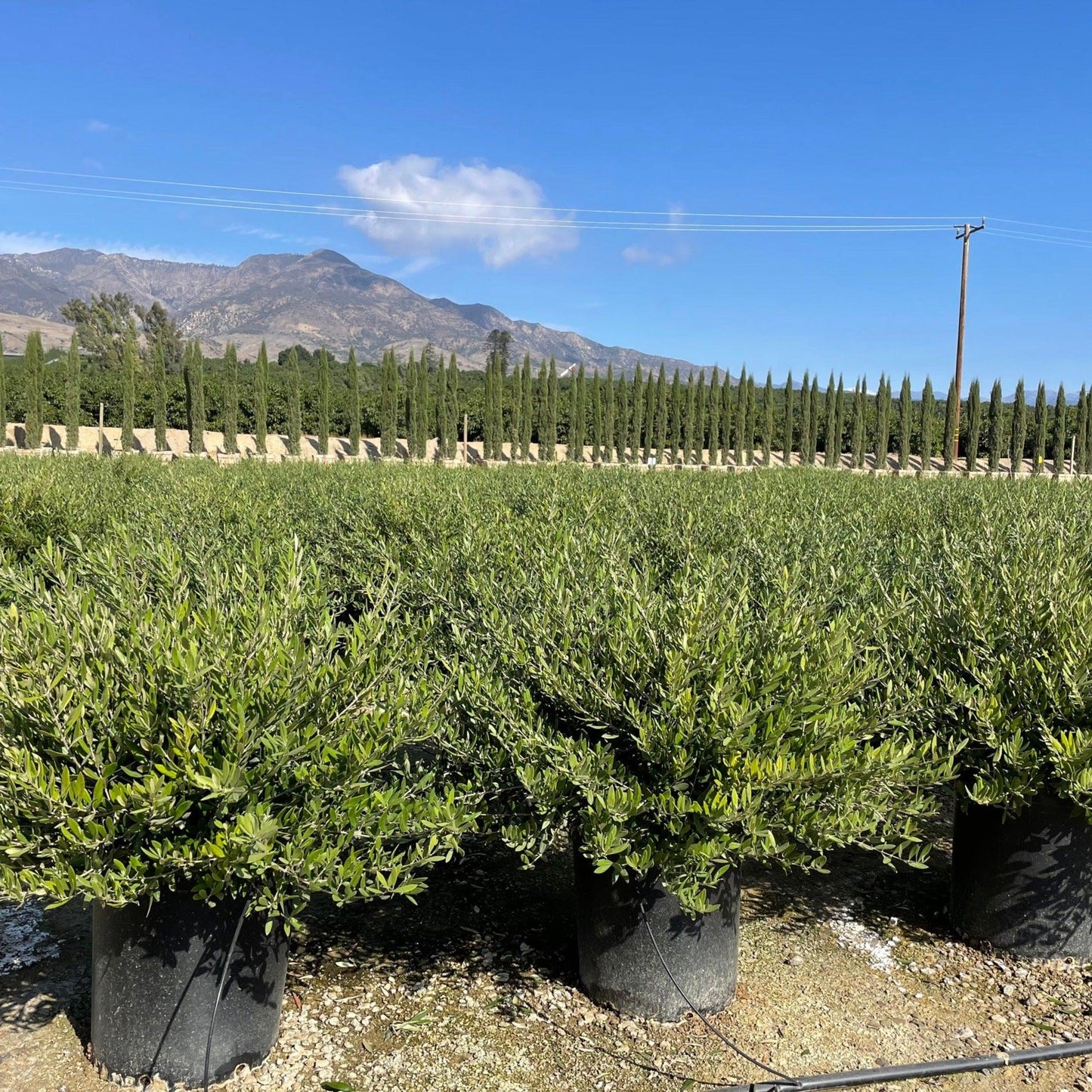
However here is a rough idea of sizes based on containers that are direct from our growing grounds.
15 Gallon Shrub 3-4 Ft. Tall
15 Gallon Tree 5-6 Ft. Tall
24" Box Shrub 5-6 Ft. Tall
24" Box Tree 6-7 Ft. Tall
36" Box Tree 8-10 Ft. Tall
48" Box Tree 10-12 Ft. Tall
Please note: Citrus and California Native plants such as Manzanita are smaller than traditional sizing.
Please contact us to confirm sizing of items before purchasing if this is a concern.
Plants vary greatly by type and no guarantees are made on sizing.
However here is a rough idea of sizes based on containers that are direct from our growing grounds.
15 Gallon Shrub 3-4 Ft. Tall
15 Gallon Tree 5-6 Ft. Tall
24" Box Shrub 5-6 Ft. Tall
24" Box Tree 6-7 Ft. Tall
36" Box Tree 8-10 Ft. Tall
48" Box Tree 10-12 Ft. Tall
Please note: Citrus and California Native plants such as Manzanita are smaller than traditional sizing.
Please contact us to confirm sizing of items before purchasing if this is a concern.
Delivery does not include unloading of trees and plants larger than a 24" box.
Trees and plants in smaller containers will be dropped curbside.
Delivery beyond a curbside drop will be charged extra.
Trees and plants that are sold in container sizes larger than a 24" box size will require equipment and an operator onsite to help unload from the truck.
Please reach out to our team PRIOR to placing your order to coordinate.
Our team can provide unloading assistance with equipment for an extra fee.
Delivery does not include unloading of trees and plants larger than a 24" box.
Trees and plants in smaller containers will be dropped curbside.
Delivery beyond a curbside drop will be charged extra.
Trees and plants that are sold in container sizes larger than a 24" box size will require equipment and an operator onsite to help unload from the truck.
Please reach out to our team PRIOR to placing your order to coordinate.
Our team can provide unloading assistance with equipment for an extra fee.
You may also like...


Mexicola Avocado Tree (Type A)
Regular price
$1,450.00
Title
The Cold-Hardy Avocado That Thrives Where Others Can’t
Grow avocados in cooler California yards with the Mexicola Avocado Tree, one of the best cold hardy avocado trees for home gardens that fall outside the usual Hass-friendly climates.
This cold-tolerant mexicola tree can withstand temperatures as low as 20°F, making it suitable for USDA hardiness zones 8-11 when planted outdoors. In colder areas, Mexicola avocado trees can grow in zones 4-11 if they can be brought inside during colder weather.
What makes Mexicola especially appealing is the combination of rugged performance and exceptional fruit quality: small, glossy, purple-black avocados with edible skin, creamy flesh, high oil content, and a rich, nutty flavor that is difficult to find in standard grocery store avocado varieties.
Why You’ll Love It
-
Exceptional Cold Tolerance – This tree can withstand temperatures as low as 20°F, making it suitable for a variety of climates, including tropical and subtropical regions, and far more adaptable than many common avocado trees.
-
Early Fruit Production – The Mexicola avocado tree bears fruit early and regularly, with a season that typically runs from August to October.
-
Unique Edible Skin – The thin, smooth, glossy skin turns purple and black when ripe and is completely edible, so eating a Mexicola avocado can be as simple as slicing and enjoying.
-
Compact Growth – The Mexicola avocado tree can grow up to fifteen to twenty feet tall and has a width of around five to eight feet, making it easier to place in smaller yards than larger avocado varieties.
-
Rich, Nutty Flavor – The flesh of the Mexicola avocado is known for its excellent flavor, with some sources noting it has a high oil content of up to 20%, contributing to its rich and nutty taste.
What Makes It Different
Most avocado trees struggle when winter temps drop, especially varieties traditionally grown in warmer coastal or South Florida conditions. Mexicola is built for gardeners who want beautiful trees that can handle more cold, more climate variation, and real backyard growing conditions.
Mexicola Avocado Tree has:
-
Historical Hardiness – Originating around 1910 in Pasadena, California, the Mexicola avocado is very heat- and cold-resistant, making it a popular choice in California breeding programs.
-
Aromatic Foliage – The Mexicola avocado tree has a narrow trunk, thin appearance, and gray bark, with green leaves that emit a licorice scent when crushed.
-
Extended Growing Range – This cultivar can thrive in hardiness zones 8-11 outdoors, and with container protection it can be grown in zones 4-11, giving gardeners from cooler California areas to Texas more options where other avocado varieties like Hass may fail.
Mexicola avocados are often not found in standard grocery stores due to their delicate skin and are typically grown by home gardeners or sourced from specialty growers. That makes this tree a practical choice if you want fruit you cannot reliably buy at the store.
Compared with mexicola grande avocados, the classic Mexicola usually has smaller fruit and a more delicate skin. Mexicola Grande may offer larger avocados, but many growers still value the original Mexicola for its cold hardiness, edible skin, and concentrated taste.
How To Grow The Mexicola Avocado Tree
-
Plant in Well-Drained Soil
Mexicola avocado trees thrive in well-draining, loose, sandy loam soil with a pH of 6.0 to 6.5. These trees prefer well-drained soil and do not do well in heavy clay soils, which can hinder their growth and increase the risk of root rot. Planting slightly above grade can help keep the root zone out of standing water. -
Provide 6+ Hours Sunlight
For best fruit production, give the tree strong direct sunlight. Mexicola avocado trees require full sun for optimal growth, ideally receiving at least 8 hours of sunlight daily, but they can also tolerate partial shade with reduced fruit production. Plant in spring after frost risk has passed so the tree has a full summer to establish. -
Harvest August Through December
The Mexicola avocado tree bears fruit early and regularly, with a season that typically runs from August to October. In some California growing conditions, fruit may mature into September, October, or even December. Avocados reach maturity on the tree, then soften and ripen after harvest; pick when the skin has turned deep purple-black rather than green.
Protect young trees carefully. Young Mexicola avocado trees are vulnerable to freezing and require protection at temperatures below 28°F. In mid winter, use frost cloth, mulch, and a protected microclimate; avoid wrapping tender branches tightly in plastic, which can trap moisture and cause damage. If container-grown, move the tree into protection during hard winter cold, including January cold snaps, or consider installing mature trees for instant structureelsewhere in the yard so young avocados aren’t your only canopy.
Tree Specifications
-
Mature Size: 15-20 feet tall, 5-8 feet wide
-
Hardiness Zones: USDA 8-11 outdoors; zones 4-11 if brought inside during colder weather
-
Cold Tolerance: Can withstand temperatures as low as 20°F
-
Young Tree Protection: Protect young trees below 28°F
-
Fruit Size: The Mexicola avocado is a small fruit, typically weighing between 4 to 7 ounces, and has glossy skin that turns purple and black when it ripens.
-
Seed: The Mexicola avocado typically has a large seed relative to its size, which is a characteristic feature of this variety.
-
Flesh: Creamy yellow-green flesh with excellent flavor and high oil content of up to 20%
-
Fruit Season: Typically August through October, with some California harvest windows extending later into the season
-
Years to Fruit: Commonly 3-4 years after planting for healthy grafted trees
-
Pollination: Type A flowering; flowers open female and male at different times, and fruit set benefits from a Type B pollinator nearby
-
Soil: Loose, well-draining sandy loam with a pH of 6.0 to 6.5
-
Sunlight: Full sun preferred, ideally 8 hours daily; partial shade is tolerated with reduced fruit production
-
Growth Habit: Narrow trunk, thin appearance, gray bark, and licorice-scented green leaves
Who It’s For
Ideal for:
-
California homeowners in cooler coastal and inland areas who want avocado trees that can handle winter cold
-
Gardeners in borderline avocado zones seeking cold hardy avocado trees for real-world climates
-
Small-space gardeners who want compact, productive fruit trees with a manageable spread
-
Avocado enthusiasts interested in unique avocado varieties with edible skin, smooth texture, and rich taste, and design-conscious gardeners who may pair them with ornamental choices like Blue Glow Agave
-
Home gardeners who want specialty fruit that is rarely available through normal grocery shipping channels, or who are planning a broader backyard citrus fruit tree collection
If you want avocados with a creamy texture, thin edible skin, and bold nutty flavor, the Mexicola Avocado Tree fits your needs. It is also a smart option for landscapes where beauty matters: these are beautiful trees with fragrant foliage, seasonal bloom, and a compact form that can carry fruit without overwhelming the yard.
Frequently Asked Questions
How cold can Mexicola avocado trees survive?
This tree is known for its cold hardiness, able to withstand temperatures as low as twenty degrees Fahrenheit, making it suitable for hardiness zones 8-11 when planted outdoors. Young Mexicola avocado trees are vulnerable to freezing and require protection at temperatures below 28°F, especially during mid winter cold events.
When do Mexicola avocados ripen?
The Mexicola avocado tree bears fruit early and regularly, with a season that typically runs from August to October. In some California microclimates, harvest may extend into late summer, September, October, November, or December. The fruit should be left on the tree until it reaches maturity and darkens; after harvest, it will ripen off the tree.
Do I need two trees for fruit production?
Mexicola is a Type A flower cultivar, so it can set fruit on its own, but pollination usually improves when a Type B avocado is planted nearby. The flowers open in female and male stages, so a compatible partner can increase fruit set during bloom, and many gardeners combine avocados with fast-growing evergreen privacy trees to create a sheltered microclimate.
How big do the trees get?
The Mexicola avocado tree can grow up to fifteen to twenty feet tall and has a width of around five to eight feet. Give the tree room for branches to spread, and prune lightly after cold damage or after harvest to maintain shape, especially if you’re also planning flowering trees to frame the landscape.
Can I grow it in a container?
Yes. Mexicola avocado trees thrive in hardiness zones 8-11 when planted outdoors and zones 4-11 if they can be brought inside during colder weather. Container growing is useful where ground planting is risky, but the pot must drain well to avoid root rot, just as it does for other patio fruit like a Valencia orange tree or similar citrus.
Why don’t I see Mexicola avocados in grocery stores?
Mexicola avocados are often not found in standard grocery stores due to their delicate skin and are typically grown by home gardeners or sourced from specialty growers. The thin skin and smaller fruit are excellent for fresh eating, but less ideal for long-distance shipping.
What does the fruit taste like?
The flesh is creamy, rich, and known for nutty flavor. Some sources note high oil content of up to 20%, which gives the fruit its satisfying texture and full taste. The edible skin can add a faint herbal note, sometimes compared by growers to licorice or anise rather than apple-like sweetness.
How should I store ripe Mexicola avocados?
Once ripe, eat promptly for best flavor and to reduce browning. Cut fruit can be wrapped and refrigerated for short storage, though the thin skin and delicate flesh are best enjoyed fresh. In hot inland sites, pairing Mexicola with a light-canopy shade provider like a California Pepper Tree can also help protect fruit and foliage from heat stress.
Ready to Add Cold-Hardy Avocados to Your Garden?
Stop limiting your garden to warm-climate avocado varieties. Choose the Mexicola Avocado Tree and grow rich, creamy, edible-skin avocados in climates where many avocado trees struggle, then round out the design with structural trees like the California Pepper Tree for year-round interest.
Yardwork can help you choose the right planting location, confirm good drainage, plan winter protection, and arrange California delivery. Our team supports expert plant selection, soil testing, consultation, and delivery so your tree is planted with the best chance to thrive, and our plant nursery and landscape services make it easier to coordinate everything in one place.
The Cold-Hardy Avocado That Thrives Where Others Can’t
Grow avocados in cooler California yards with the Mexicola Avocado Tree, one of the best cold hardy avocado trees for home gardens that fall outside the usual Hass-friendly climates.
This cold-tolerant mexicola tree can withstand temperatures as low as 20°F, making it suitable for USDA hardiness zones 8-11 when planted outdoors. In colder areas, Mexicola avocado trees can grow in zones 4-11 if they can be brought inside during colder weather.
What makes Mexicola especially appealing is the combination of rugged performance and exceptional fruit quality: small, glossy, purple-black avocados with edible skin, creamy flesh, high oil content, and a rich, nutty flavor that is difficult to find in standard grocery store avocado varieties.
Why You’ll Love It
-
Exceptional Cold Tolerance – This tree can withstand temperatures as low as 20°F, making it suitable for a variety of climates, including tropical and subtropical regions, and far more adaptable than many common avocado trees.
-
Early Fruit Production – The Mexicola avocado tree bears fruit early and regularly, with a season that typically runs from August to October.
-
Unique Edible Skin – The thin, smooth, glossy skin turns purple and black when ripe and is completely edible, so eating a Mexicola avocado can be as simple as slicing and enjoying.
-
Compact Growth – The Mexicola avocado tree can grow up to fifteen to twenty feet tall and has a width of around five to eight feet, making it easier to place in smaller yards than larger avocado varieties.
-
Rich, Nutty Flavor – The flesh of the Mexicola avocado is known for its excellent flavor, with some sources noting it has a high oil content of up to 20%, contributing to its rich and nutty taste.
What Makes It Different
Most avocado trees struggle when winter temps drop, especially varieties traditionally grown in warmer coastal or South Florida conditions. Mexicola is built for gardeners who want beautiful trees that can handle more cold, more climate variation, and real backyard growing conditions.
Mexicola Avocado Tree has:
-
Historical Hardiness – Originating around 1910 in Pasadena, California, the Mexicola avocado is very heat- and cold-resistant, making it a popular choice in California breeding programs.
-
Aromatic Foliage – The Mexicola avocado tree has a narrow trunk, thin appearance, and gray bark, with green leaves that emit a licorice scent when crushed.
-
Extended Growing Range – This cultivar can thrive in hardiness zones 8-11 outdoors, and with container protection it can be grown in zones 4-11, giving gardeners from cooler California areas to Texas more options where other avocado varieties like Hass may fail.
Mexicola avocados are often not found in standard grocery stores due to their delicate skin and are typically grown by home gardeners or sourced from specialty growers. That makes this tree a practical choice if you want fruit you cannot reliably buy at the store.
Compared with mexicola grande avocados, the classic Mexicola usually has smaller fruit and a more delicate skin. Mexicola Grande may offer larger avocados, but many growers still value the original Mexicola for its cold hardiness, edible skin, and concentrated taste.
How To Grow The Mexicola Avocado Tree
-
Plant in Well-Drained Soil
Mexicola avocado trees thrive in well-draining, loose, sandy loam soil with a pH of 6.0 to 6.5. These trees prefer well-drained soil and do not do well in heavy clay soils, which can hinder their growth and increase the risk of root rot. Planting slightly above grade can help keep the root zone out of standing water. -
Provide 6+ Hours Sunlight
For best fruit production, give the tree strong direct sunlight. Mexicola avocado trees require full sun for optimal growth, ideally receiving at least 8 hours of sunlight daily, but they can also tolerate partial shade with reduced fruit production. Plant in spring after frost risk has passed so the tree has a full summer to establish. -
Harvest August Through December
The Mexicola avocado tree bears fruit early and regularly, with a season that typically runs from August to October. In some California growing conditions, fruit may mature into September, October, or even December. Avocados reach maturity on the tree, then soften and ripen after harvest; pick when the skin has turned deep purple-black rather than green.
Protect young trees carefully. Young Mexicola avocado trees are vulnerable to freezing and require protection at temperatures below 28°F. In mid winter, use frost cloth, mulch, and a protected microclimate; avoid wrapping tender branches tightly in plastic, which can trap moisture and cause damage. If container-grown, move the tree into protection during hard winter cold, including January cold snaps, or consider installing mature trees for instant structureelsewhere in the yard so young avocados aren’t your only canopy.
Tree Specifications
-
Mature Size: 15-20 feet tall, 5-8 feet wide
-
Hardiness Zones: USDA 8-11 outdoors; zones 4-11 if brought inside during colder weather
-
Cold Tolerance: Can withstand temperatures as low as 20°F
-
Young Tree Protection: Protect young trees below 28°F
-
Fruit Size: The Mexicola avocado is a small fruit, typically weighing between 4 to 7 ounces, and has glossy skin that turns purple and black when it ripens.
-
Seed: The Mexicola avocado typically has a large seed relative to its size, which is a characteristic feature of this variety.
-
Flesh: Creamy yellow-green flesh with excellent flavor and high oil content of up to 20%
-
Fruit Season: Typically August through October, with some California harvest windows extending later into the season
-
Years to Fruit: Commonly 3-4 years after planting for healthy grafted trees
-
Pollination: Type A flowering; flowers open female and male at different times, and fruit set benefits from a Type B pollinator nearby
-
Soil: Loose, well-draining sandy loam with a pH of 6.0 to 6.5
-
Sunlight: Full sun preferred, ideally 8 hours daily; partial shade is tolerated with reduced fruit production
-
Growth Habit: Narrow trunk, thin appearance, gray bark, and licorice-scented green leaves
Who It’s For
Ideal for:
-
California homeowners in cooler coastal and inland areas who want avocado trees that can handle winter cold
-
Gardeners in borderline avocado zones seeking cold hardy avocado trees for real-world climates
-
Small-space gardeners who want compact, productive fruit trees with a manageable spread
-
Avocado enthusiasts interested in unique avocado varieties with edible skin, smooth texture, and rich taste, and design-conscious gardeners who may pair them with ornamental choices like Blue Glow Agave
-
Home gardeners who want specialty fruit that is rarely available through normal grocery shipping channels, or who are planning a broader backyard citrus fruit tree collection
If you want avocados with a creamy texture, thin edible skin, and bold nutty flavor, the Mexicola Avocado Tree fits your needs. It is also a smart option for landscapes where beauty matters: these are beautiful trees with fragrant foliage, seasonal bloom, and a compact form that can carry fruit without overwhelming the yard.
Frequently Asked Questions
How cold can Mexicola avocado trees survive?
This tree is known for its cold hardiness, able to withstand temperatures as low as twenty degrees Fahrenheit, making it suitable for hardiness zones 8-11 when planted outdoors. Young Mexicola avocado trees are vulnerable to freezing and require protection at temperatures below 28°F, especially during mid winter cold events.
When do Mexicola avocados ripen?
The Mexicola avocado tree bears fruit early and regularly, with a season that typically runs from August to October. In some California microclimates, harvest may extend into late summer, September, October, November, or December. The fruit should be left on the tree until it reaches maturity and darkens; after harvest, it will ripen off the tree.
Do I need two trees for fruit production?
Mexicola is a Type A flower cultivar, so it can set fruit on its own, but pollination usually improves when a Type B avocado is planted nearby. The flowers open in female and male stages, so a compatible partner can increase fruit set during bloom, and many gardeners combine avocados with fast-growing evergreen privacy trees to create a sheltered microclimate.
How big do the trees get?
The Mexicola avocado tree can grow up to fifteen to twenty feet tall and has a width of around five to eight feet. Give the tree room for branches to spread, and prune lightly after cold damage or after harvest to maintain shape, especially if you’re also planning flowering trees to frame the landscape.
Can I grow it in a container?
Yes. Mexicola avocado trees thrive in hardiness zones 8-11 when planted outdoors and zones 4-11 if they can be brought inside during colder weather. Container growing is useful where ground planting is risky, but the pot must drain well to avoid root rot, just as it does for other patio fruit like a Valencia orange tree or similar citrus.
Why don’t I see Mexicola avocados in grocery stores?
Mexicola avocados are often not found in standard grocery stores due to their delicate skin and are typically grown by home gardeners or sourced from specialty growers. The thin skin and smaller fruit are excellent for fresh eating, but less ideal for long-distance shipping.
What does the fruit taste like?
The flesh is creamy, rich, and known for nutty flavor. Some sources note high oil content of up to 20%, which gives the fruit its satisfying texture and full taste. The edible skin can add a faint herbal note, sometimes compared by growers to licorice or anise rather than apple-like sweetness.
How should I store ripe Mexicola avocados?
Once ripe, eat promptly for best flavor and to reduce browning. Cut fruit can be wrapped and refrigerated for short storage, though the thin skin and delicate flesh are best enjoyed fresh. In hot inland sites, pairing Mexicola with a light-canopy shade provider like a California Pepper Tree can also help protect fruit and foliage from heat stress.
Ready to Add Cold-Hardy Avocados to Your Garden?
Stop limiting your garden to warm-climate avocado varieties. Choose the Mexicola Avocado Tree and grow rich, creamy, edible-skin avocados in climates where many avocado trees struggle, then round out the design with structural trees like the California Pepper Tree for year-round interest.
Yardwork can help you choose the right planting location, confirm good drainage, plan winter protection, and arrange California delivery. Our team supports expert plant selection, soil testing, consultation, and delivery so your tree is planted with the best chance to thrive, and our plant nursery and landscape services make it easier to coordinate everything in one place.
Plants vary greatly by type and no guarantees are made on sizing.
However here is a rough idea of sizes based on containers that are direct from our growing grounds.
15 Gallon Shrub 3-4 Ft. Tall
15 Gallon Tree 5-6 Ft. Tall
24" Box Shrub 5-6 Ft. Tall
24" Box Tree 6-7 Ft. Tall
36" Box Tree 8-10 Ft. Tall
48" Box Tree 10-12 Ft. Tall
Please note: Citrus and California Native plants such as Manzanita are smaller than traditional sizing.
Please contact us to confirm sizing of items before purchasing if this is a concern.
Plants vary greatly by type and no guarantees are made on sizing.
However here is a rough idea of sizes based on containers that are direct from our growing grounds.
15 Gallon Shrub 3-4 Ft. Tall
15 Gallon Tree 5-6 Ft. Tall
24" Box Shrub 5-6 Ft. Tall
24" Box Tree 6-7 Ft. Tall
36" Box Tree 8-10 Ft. Tall
48" Box Tree 10-12 Ft. Tall
Please note: Citrus and California Native plants such as Manzanita are smaller than traditional sizing.
Please contact us to confirm sizing of items before purchasing if this is a concern.
Delivery does not include unloading of trees and plants larger than a 24" box.
Trees and plants in smaller containers will be dropped curbside.
Delivery beyond a curbside drop will be charged extra.
Trees and plants that are sold in container sizes larger than a 24" box size will require equipment and an operator onsite to help unload from the truck.
Please reach out to our team PRIOR to placing your order to coordinate.
Our team can provide unloading assistance with equipment for an extra fee.
Delivery does not include unloading of trees and plants larger than a 24" box.
Trees and plants in smaller containers will be dropped curbside.
Delivery beyond a curbside drop will be charged extra.
Trees and plants that are sold in container sizes larger than a 24" box size will require equipment and an operator onsite to help unload from the truck.
Please reach out to our team PRIOR to placing your order to coordinate.
Our team can provide unloading assistance with equipment for an extra fee.
Recommended For You















Pairs Well With













You May Also Like












Thousands of Healthy Plants Delivered

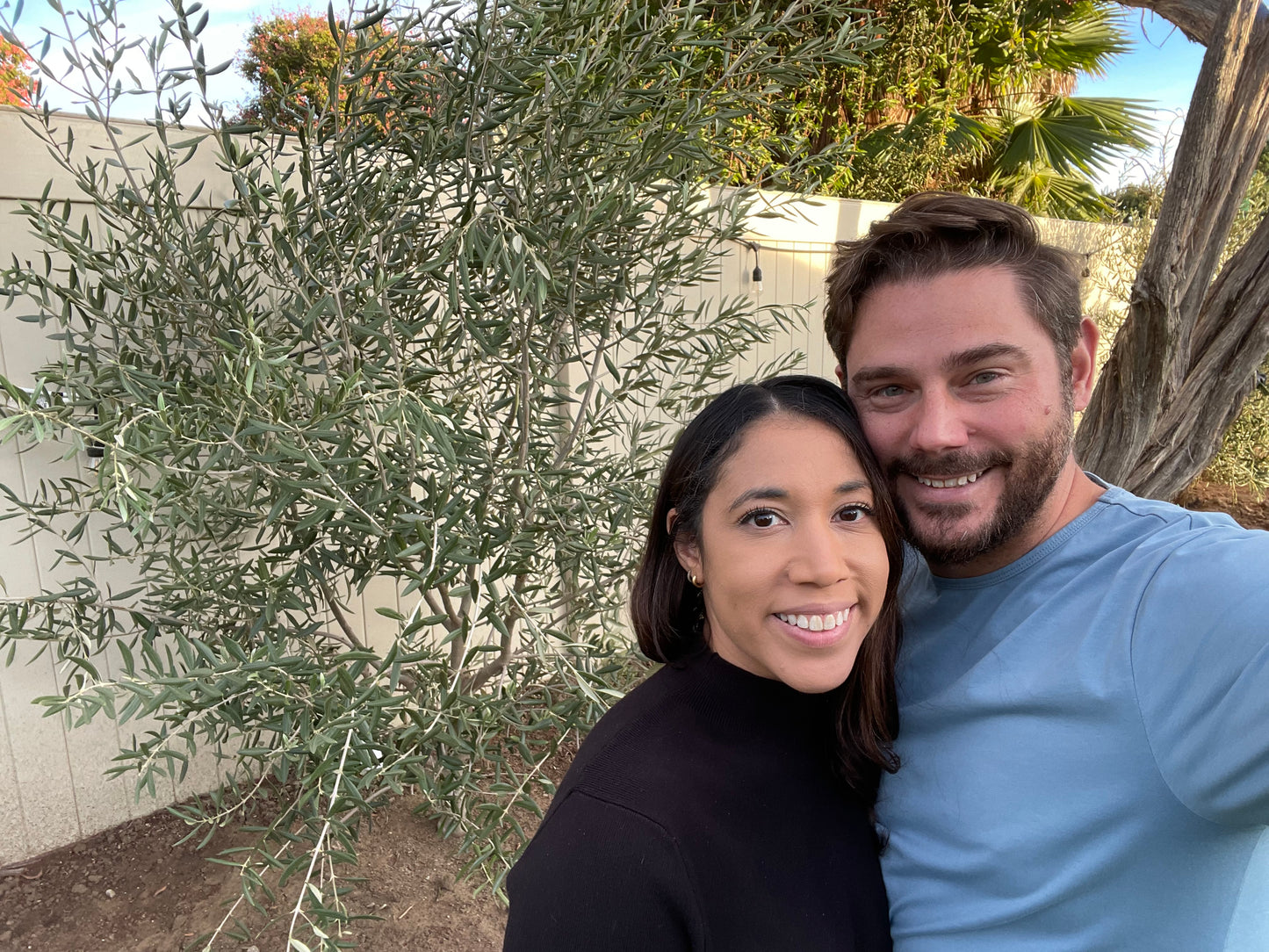
Yardwork was so great to work with. First they had the Swan Hill olive trees that we had been searching for, we had contacted several other nurseries without any luck previously. Then they answered all of our questions in a timely matter prior to ordering and finally delivered within a few days of placing it. Their staff is incredibly knowledgeable; they delivered and planted our trees with expertise to ensure that they would do well in our yard. We would definitely work with them again for future projects.











A Modern Experience
At Yardwork, we carefully curate thousands of plants, in all container sizes, to provide you with the best selection of the highest quality trees and plants at the best price, with the convenience of an online platform.
Uncompromised Quality
We choose only the finest specimens and hand select our plants just before delivery to ensure you receive the freshest and most robust specimens available for your landscape.
Industry Leading Warranties
Our 30, 90, and 365 extended warranties provide some of the best coverage to ensure our trees and plants thrive in your landscape.
Frequently Asked Questions
We're committed to changing everything about trees and plants - how they’re grown, how you shop for them, and how much they cost. We handle orders ourselves. No middlemen to get between us (or our prices) and you.
We're committed to changing everything about trees and plants - how they’re grown, how you shop for them, and how much they cost. We handle orders ourselves. No middlemen to get between us (or our prices) and you.
Delivery does not include unloading of trees and plants LARGER than a 24" box.
Trees and plants in smaller containers will be dropped curbside (usually on the driveway or near the front doorstep).
Delivery beyond a curbside drop will be charged extra.
Trees and plants that are sold in container sizes LARGER than a 24" box size will require equipment and/or enough manpower onsite to help unload from the truck.
Please reach out to our team PRIOR to placing your order to help coordinate.
Our team can provide unloading assistance with equipment for an extra fee as well.
Delivery does not include unloading of trees and plants LARGER than a 24" box.
Trees and plants in smaller containers will be dropped curbside (usually on the driveway or near the front doorstep).
Delivery beyond a curbside drop will be charged extra.
Trees and plants that are sold in container sizes LARGER than a 24" box size will require equipment and/or enough manpower onsite to help unload from the truck.
Please reach out to our team PRIOR to placing your order to help coordinate.
Our team can provide unloading assistance with equipment for an extra fee as well.
We ship locally within California within 7-10 days of your order being placed.
We ship nationally using carrier partners, based on order size.
Text or call 323-576-4159 for specific shipping details for your location.
We ship locally within California within 7-10 days of your order being placed.
We ship nationally using carrier partners, based on order size.
Text or call 323-576-4159 for specific shipping details for your location.
We are currently online only and don't have physical locations where you can view plants in person.
That's why we have photos direct from the growing grounds of the plants we will ship and we display pricing right in our store.
We do make sure to pick the very best trees and plants prior to shipping and make sure that they have gone through our multi-point inspection for health and structure.
We will always reach out prior to delivery if we find a quality issue or need to provide a substitute.
We are currently online only and don't have physical locations where you can view plants in person.
That's why we have photos direct from the growing grounds of the plants we will ship and we display pricing right in our store.
We do make sure to pick the very best trees and plants prior to shipping and make sure that they have gone through our multi-point inspection for health and structure.
We will always reach out prior to delivery if we find a quality issue or need to provide a substitute.
Plants vary greatly by type. Here is a rough idea of sizes based on containers that are direct from our growing grounds.
15 Gallon Shrub 3-4 Ft. Tall
15 Gallon Tree 5-6 Ft. Tall
24" Box Shrub 5-6 Ft. Tall
24" Box Tree 6-7 Ft. Tall
36" Box Shrub/Tree 7-9 Ft. Tall
48" Box Shrub/Tree 8-10 Ft. Tall
**Please note that we do not make guarantees of sizes. If you have questions or concerns, please call or text to request accurate sizing for the particular plant you're considering, prior to ordering.
Plants vary greatly by type. Here is a rough idea of sizes based on containers that are direct from our growing grounds.
15 Gallon Shrub 3-4 Ft. Tall
15 Gallon Tree 5-6 Ft. Tall
24" Box Shrub 5-6 Ft. Tall
24" Box Tree 6-7 Ft. Tall
36" Box Shrub/Tree 7-9 Ft. Tall
48" Box Shrub/Tree 8-10 Ft. Tall
**Please note that we do not make guarantees of sizes. If you have questions or concerns, please call or text to request accurate sizing for the particular plant you're considering, prior to ordering.
We offer a limited 30 day warranty for plants that are delivered and a 90 day warranty for plants that we plant.
The limited warranty covers plants that die as a result of disease or fungus which was derived from our growing grounds or from root balls that were root bound.
The warranty does not cover damage due to watering, fertilizer, soils, or any other conditions beyond our control. Additionally, the warranty does not cover certain plants that are shipped out of the state of California or shipped into California from other states. Custom plant orders are also not covered under warranty. Plants must be planted within 24 hours after delivery to qualify.
We can assist you in recommending the right soils and fertilizers to help your plant thrive after you plant it.
Text or call 323-576-4159 for further warranty information.
We offer a limited 30 day warranty for plants that are delivered and a 90 day warranty for plants that we plant.
The limited warranty covers plants that die as a result of disease or fungus which was derived from our growing grounds or from root balls that were root bound.
The warranty does not cover damage due to watering, fertilizer, soils, or any other conditions beyond our control. Additionally, the warranty does not cover certain plants that are shipped out of the state of California or shipped into California from other states. Custom plant orders are also not covered under warranty. Plants must be planted within 24 hours after delivery to qualify.
We can assist you in recommending the right soils and fertilizers to help your plant thrive after you plant it.
Text or call 323-576-4159 for further warranty information.
Our local delivery team covers most cities in California.
There are some exceptions, so please get in touch to confirm prior to ordering.
Additionally, we ship throughout the entire United States and even internationally. Each shipment is custom, so please reach out to our team to coordinate.
Our local delivery team covers most cities in California.
There are some exceptions, so please get in touch to confirm prior to ordering.
Additionally, we ship throughout the entire United States and even internationally. Each shipment is custom, so please reach out to our team to coordinate.