



Asian Jasmine (Trachelospermum asiaticum)
Regular price
$25.00
Size
Dense, Low-Maintenance Ground Cover That Transforms Problem Areas Into Lush Landscapes
Asian jasmine is a durable evergreen ground cover for filling bare, shady, sloped, or water-conscious areas with a dense carpet of glossy green leaves. Also known as asiatic jasmine, asian star jasmine, or Trachelospermum asiaticum, this versatile plant is especially useful where turfgrass struggles, weeds take over, or constant maintenance is not realistic.
Designed for California outdoor space, Asian jasmine thrives in sun to partial shade, performs well under trees, and becomes drought tolerant once established. It forms a weed-suppressing mat, helps retain moisture in the soil, and supports erosion control on slopes and banks without requiring regular mowing, heavy fertilizing, or all the hard work of a traditional lawn.
Why You’ll Love It
-
Drought Tolerant – Once established, Asiatic jasmine is drought-tolerant and does not require frequent watering unless there is a dry spell or extreme heat, making it a low-maintenance ground cover option.
-
Low Maintenance – Asian jasmine does not require regular mowing, fertilizing, or high amounts of watering. Once established, Asian jasmine requires no routine mowing, very little fertilizer, and minimal watering.
-
Weed Suppression – It provides excellent weed suppression once established, naturally crowding out weeds with its dense mat. Asiatic jasmine’s dense, glossy foliage helps suppress weeds and retain moisture in the soil, contributing to healthier garden conditions.
-
Erosion Control – Its aggressive creeping and rooting nature makes it effective for anchoring loose soil on steep slopes or banks. Its twining root structure stabilizes topsoil, making it excellent for slopes and embankments, providing erosion control.
-
Year-Round Beauty – Asiatic jasmine features glossy, dark green leaves that create a dense mat-like ground cover, helping to suppress weeds and retain soil moisture. It thrives in challenging environments where other plants fail, forming a dense, weed-suppressing carpet of glossy, dark green foliage.
What Makes It Different
Most alternatives ask you to choose between beauty, durability, water savings, and shade performance. Turfgrass often fails in shady areas, mulch needs regular replacement, and some flowering ground covers struggle in dry shade or require more care than expected.
Asian Jasmine offers:
-
Shade Tolerance – Asian jasmine excels under dense tree canopies, making it suitable for areas where typical turfgrass struggles for light. Asian jasmine grows exceptionally well in dark, dry shade where traditional turf or other flowering ground covers fail.
-
Controlled Vigorous Growth – Asiatic jasmine is a fast-growing ground cover that can spread more than 3 feet a year under optimal conditions, making it effective for quickly filling in bare spots in gardens. It can overwhelm other delicate garden plants due to its vigorous spread, so it should be planted in bounded areas.
-
Climate Adaptability – This plant can tolerate full sun to partial shade, but it does best in partial shade, especially in southern or western exposures with hot midday sun. Asiatic jasmine thrives in full sun to partial shade, with optimal growth in partial shade in southern or western exposures that experience hot midday or afternoon sun.
Asian jasmine is not a true jasmine, but it is related to star jasmine and is often compared with jasmine plants like confederate jasmine. Unlike many ornamental vines grown mainly for flowers, this evergreen vine is primarily valued for dense, leathery leaves, durable foliage, and reliable full coverage across large areas.
How To Grow Asian Jasmine Successfully
-
Plant
Asiatic jasmine should be planted when the weather is cool, with plants spaced about one to two feet apart to allow for spreading. For mass planting, space plants evenly across the square feet you want to cover, ideally in well drained soil with organic matter. -
Establish
When planting Asiatic jasmine, dig a hole that is twice as large as the root ball and at the same depth as the original nursery pot, then backfill with soil and water thoroughly. Asiatic jasmine requires regular watering until established, needing to be kept consistently moist for the first month, then watering about once a week for a couple of months thereafter. -
Enjoy
Asian jasmine takes 1 to 2 years to knit together closely, requiring routine weeding and consistent moisture during the establishment phase. After the first growing season, it develops faster growth, fills in as a dense carpet, and reduces the need to weed, water regularly, or maintain the ground like a lawn.
For the best plant time, install in early spring, late spring, or another cool-weather window before summer heat arrives. Use a quality planting or potting mix if your soil conditions are poor, avoid planting where water sits, and make sure containers or hanging baskets have drainage holes or drain holes so the new plant does not stay root bound or overly moist; local plant nursery and landscaper services can also help you source the right soil mix and planting materials.
Plant Details
-
Scientific name: Trachelospermum asiaticum
-
Common names: Asian jasmine, asiatic jasmine, asian star jasmine, Japanese star jasmine
-
Plant type: Evergreen vine commonly used as groundcover
-
Mature size: This plant can grow to a height of 6-12 inches and spread 2-3 feet wide, making it suitable for various landscape applications such as ground cover and erosion control.
-
General size range: Commonly maintained around 6-18 inches tall depending on conditions and pruning
-
Growth rate: Moderate to fast; under optimal growing conditions, Asiatic jasmine can spread more than 3 feet a year
-
Coverage timeline: Asian jasmine takes 1 to 2 years to knit together closely and produce full coverage
-
Foliage: Glossy, dark green, leathery leaves that stay attractive through the growing season and winter
-
Flowers: Asiatic jasmine produces small, star-shaped white flowers in summer, which are often fragrant, although the plant is primarily valued for its foliage rather than its blooms.
-
Bloom timing: Flowers may appear in early summer or summer; in cooler temperatures or dense shade, the plant rarely blooms
-
Light: Full sun to partial shade; best performance is often in partial shade with protection from hot afternoon sun
-
Soil: Asiatic jasmine thrives in well-drained soil with good moisture retention, preferring a high percentage of organic matter, and it is not fussy about soil type or pH.
-
Soil adaptability: This plant prefers well-drained soil and thrives in moist conditions with a high percentage of organic matter, but it is adaptable to various soil types.
-
Water: Regular watering during establishment; minimal watering once established except during dry spells or extreme heat
-
Fertilizer: To maintain healthy growth, Asiatic jasmine should be fertilized once a year with a balanced fertilizer at the beginning of the growing season in spring.
-
Fertilizer needs: Fertilizing Asiatic jasmine once a year with a balanced fertilizer at the beginning of the growing season is generally sufficient for healthy growth.
-
Hardiness: Asiatic jasmine is a tropical plant that does not tolerate extreme or dry desert heat and is not winter-hardy below USDA zone 7, although it remains green after a hard freeze.
-
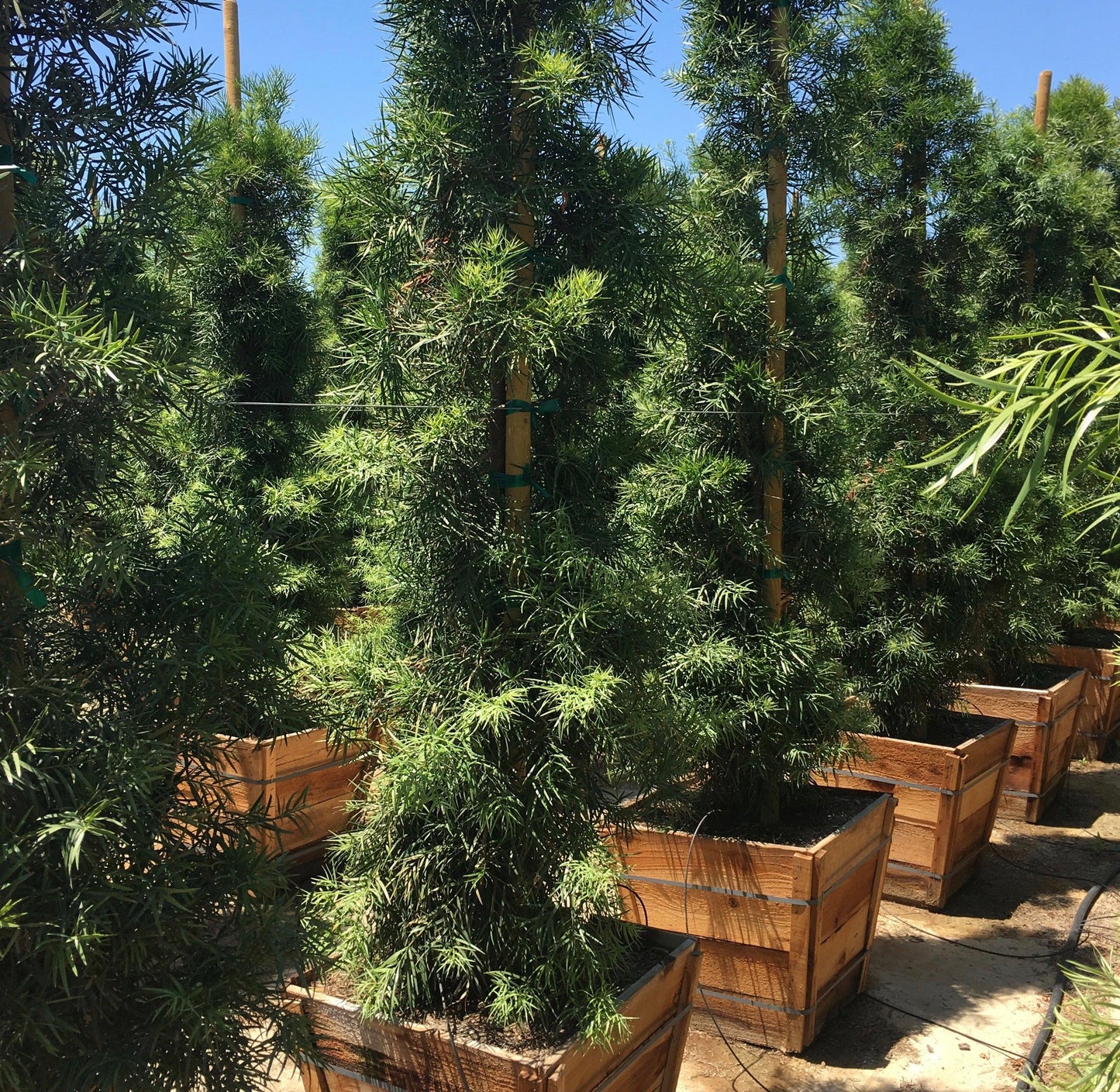
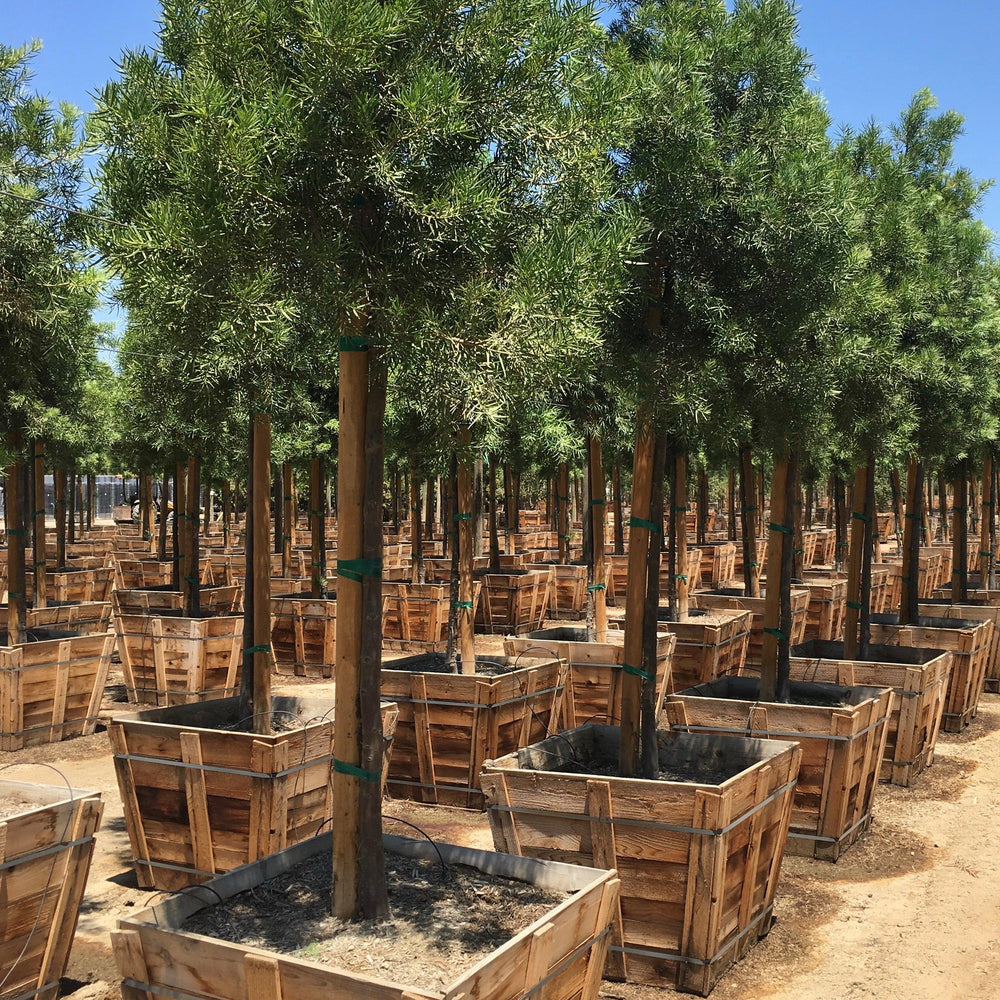
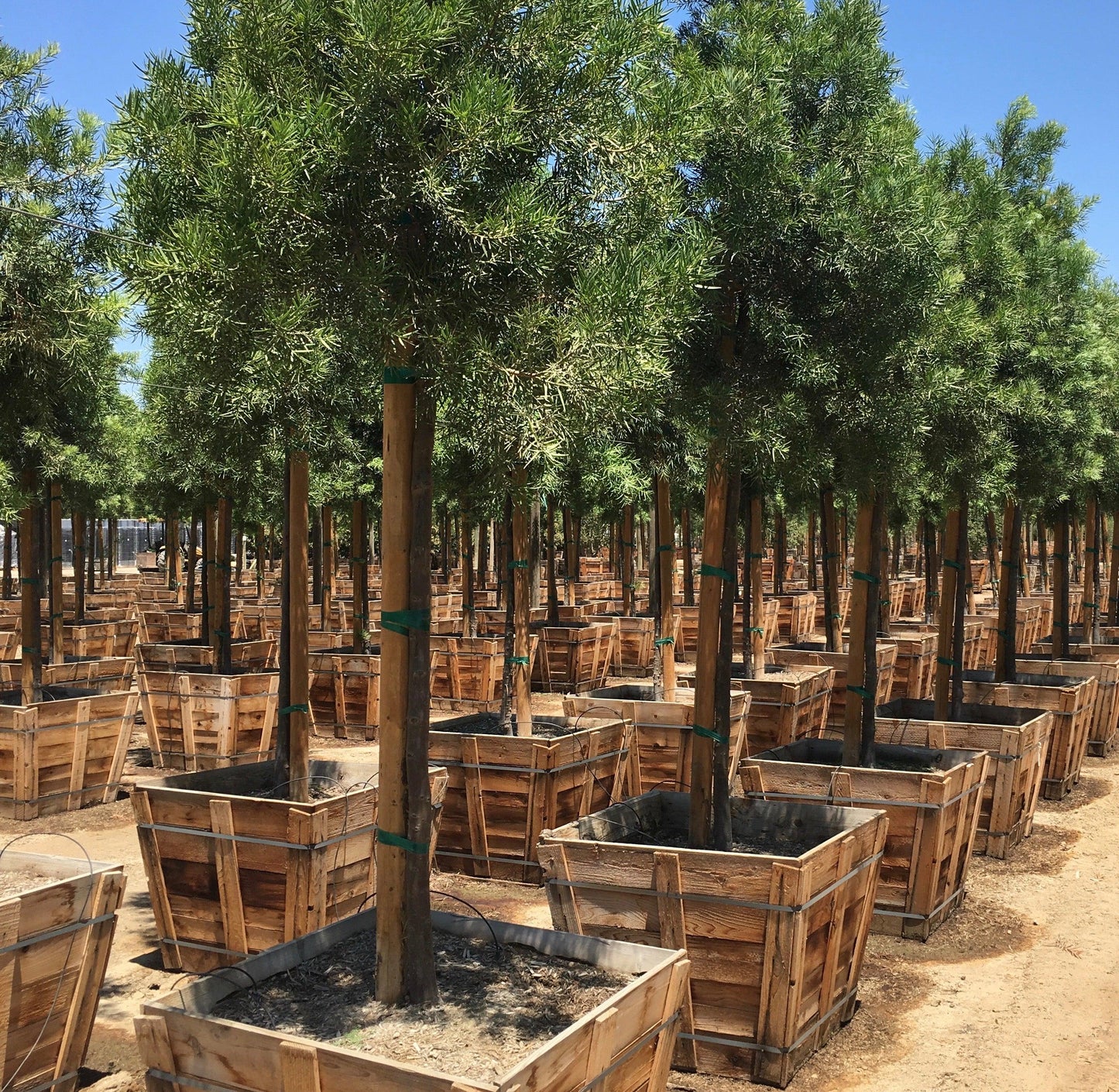
Durability: It is highly resistant to deer grazing and tolerates light trampling, especially when combined with durable evergreen structure plants like a Fern Pine (Podocarpus gracilior) hedge.
-
Pest and disease profile: Asian jasmine is virtually immune to common garden insects and diseases.
-
Training options: Asian jasmine can be trained to climb trellises, arbors, and chain-link fences.
-
Landscape uses: Asiatic jasmine is versatile in landscape applications, suitable for use as ground cover, on slopes for erosion control, or as a filler between stepping stones, and it pairs well with other low-maintenance ground covers like Autumn Moor Grass (Sesleria autumnalis).
Who It’s For
Ideal for:
-
California homeowners with challenging shade areas where grass will not grow and who may want to mix Asian jasmine with flowering drought-tolerant shrubs like California lilac (Ceanothus)
-
Property owners who want to reduce water usage and maintenance time
-
Landscapers who need reliable erosion control for slopes, hillsides, banks, and embankments
-
Gardeners who want attractive ground cover for large areas, garden beds, under trees, or between stepping stones
-
Homeowners replacing thirsty turf with a low maintenance, drought tolerant planting and exploring evergreen privacy trees and fast-growing trees for structure and screening elsewhere on the property
-
Anyone growing Asian jasmine in bounded areas where its vigorous spread can be managed
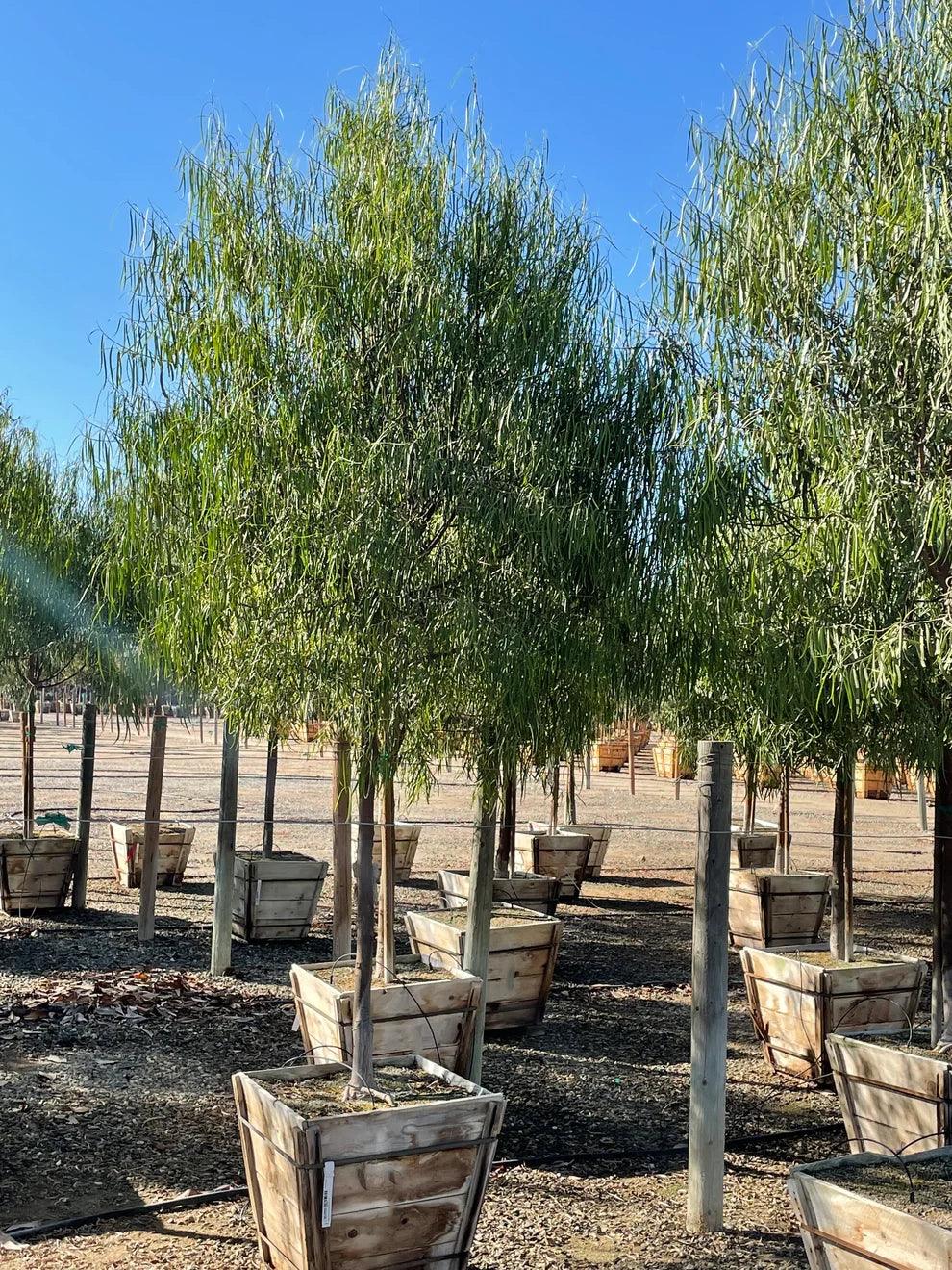
Asian jasmine is a strong fit if you want dark green foliage, dense coverage, and fewer weeds without constant mowing. For added shade or a focal point near these plantings, consider drought-tolerant trees like the California pepper tree (Schinus molle), and for more fragrance you can incorporate additional vines such as star jasmine (Trachelospermum jasminoides). It is especially useful in partial shade, indirect light under tree canopies, and difficult ground where other plants fail.
Avoid planting Asian jasmine where delicate neighboring plants could be overwhelmed, where heavy foot traffic is expected, or where soil stays soggy. For patios, sidewalks, and edges, Asiatic jasmine requires regular pruning to control its growth, especially when planted along sidewalks or patios, and should be trimmed with sharp pruners to encourage denser foliage.
Frequently Asked Questions
How quickly does it spread?
Asiatic jasmine is a fast-growing ground cover that can spread more than 3 feet a year under optimal conditions, making it effective for quickly filling in bare spots in gardens. Asian jasmine takes 1 to 2 years to knit together closely, requiring routine weeding and consistent moisture during the establishment phase.
Will it damage nearby plants?
Asian jasmine does not usually damage established shrubs or trees, but it can overwhelm other delicate garden plants due to its vigorous spread, so it should be planted in bounded areas. Use edging, garden bed borders, or regular pruning to keep it where you want it.
Does it need special soil?
Asiatic jasmine thrives in well-drained soil with good moisture retention, preferring a high percentage of organic matter, and it is not fussy about soil type or pH. Yardwork can help evaluate soil conditions and recommend amendments so the soil stays moist enough to establish roots without becoming waterlogged.
Can it handle foot traffic?
It is highly resistant to deer grazing and tolerates light trampling. It works well as ground cover or a filler between stepping stones, but it is not the right choice for play lawns, main walkways, or areas with frequent heavy traffic.
What about pests and diseases?
Asian jasmine is virtually immune to common garden insects and diseases. The main way to avoid plant diseases is to plant in well drained soil, prevent soggy roots, prune dead branches when needed, and provide good growing conditions.
Does it flower like star jasmine or confederate jasmine?
Asiatic jasmine produces small, star-shaped white flowers in summer, which are often fragrant, although the plant is primarily valued for its foliage rather than its blooms. In cooler climates, deep shade, or some varieties, it rarely blooms, so choose it for glossy green leaves first and fragrant flowers second.
Can I grow it in containers or hanging baskets?
Yes. Asian jasmine can be grown in baskets, hanging baskets, and containers if the potting mix drains well and the container has drainage holes. Make sure the plant is not root bound, keep the root ball evenly moist during establishment, and place the plant in sun, indirect light, or partial shade depending on local heat.
Ready to Transform Your Landscape?
Choose Asian Jasmine for a dense, drought tolerant, low maintenance groundcover that brings year-round structure to shady areas, slopes, garden beds, and large areas across California.
Yardwork can help you plan placement, calculate plant quantities by square feet, test soil conditions, and choose the right soil amendments for healthy establishment. We can also connect Asian jasmine with related products like planting mix, mulch to retain moisture, and other ground covers for areas where Asian jasmine is not the best fit.
California delivery options available. Consultation and soil testing services are available for better results from the first growing season onward.
Dense, Low-Maintenance Ground Cover That Transforms Problem Areas Into Lush Landscapes
Asian jasmine is a durable evergreen ground cover for filling bare, shady, sloped, or water-conscious areas with a dense carpet of glossy green leaves. Also known as asiatic jasmine, asian star jasmine, or Trachelospermum asiaticum, this versatile plant is especially useful where turfgrass struggles, weeds take over, or constant maintenance is not realistic.
Designed for California outdoor space, Asian jasmine thrives in sun to partial shade, performs well under trees, and becomes drought tolerant once established. It forms a weed-suppressing mat, helps retain moisture in the soil, and supports erosion control on slopes and banks without requiring regular mowing, heavy fertilizing, or all the hard work of a traditional lawn.
Why You’ll Love It
-
Drought Tolerant – Once established, Asiatic jasmine is drought-tolerant and does not require frequent watering unless there is a dry spell or extreme heat, making it a low-maintenance ground cover option.
-
Low Maintenance – Asian jasmine does not require regular mowing, fertilizing, or high amounts of watering. Once established, Asian jasmine requires no routine mowing, very little fertilizer, and minimal watering.
-
Weed Suppression – It provides excellent weed suppression once established, naturally crowding out weeds with its dense mat. Asiatic jasmine’s dense, glossy foliage helps suppress weeds and retain moisture in the soil, contributing to healthier garden conditions.
-
Erosion Control – Its aggressive creeping and rooting nature makes it effective for anchoring loose soil on steep slopes or banks. Its twining root structure stabilizes topsoil, making it excellent for slopes and embankments, providing erosion control.
-
Year-Round Beauty – Asiatic jasmine features glossy, dark green leaves that create a dense mat-like ground cover, helping to suppress weeds and retain soil moisture. It thrives in challenging environments where other plants fail, forming a dense, weed-suppressing carpet of glossy, dark green foliage.
What Makes It Different
Most alternatives ask you to choose between beauty, durability, water savings, and shade performance. Turfgrass often fails in shady areas, mulch needs regular replacement, and some flowering ground covers struggle in dry shade or require more care than expected.
Asian Jasmine offers:
-
Shade Tolerance – Asian jasmine excels under dense tree canopies, making it suitable for areas where typical turfgrass struggles for light. Asian jasmine grows exceptionally well in dark, dry shade where traditional turf or other flowering ground covers fail.
-
Controlled Vigorous Growth – Asiatic jasmine is a fast-growing ground cover that can spread more than 3 feet a year under optimal conditions, making it effective for quickly filling in bare spots in gardens. It can overwhelm other delicate garden plants due to its vigorous spread, so it should be planted in bounded areas.
-
Climate Adaptability – This plant can tolerate full sun to partial shade, but it does best in partial shade, especially in southern or western exposures with hot midday sun. Asiatic jasmine thrives in full sun to partial shade, with optimal growth in partial shade in southern or western exposures that experience hot midday or afternoon sun.
Asian jasmine is not a true jasmine, but it is related to star jasmine and is often compared with jasmine plants like confederate jasmine. Unlike many ornamental vines grown mainly for flowers, this evergreen vine is primarily valued for dense, leathery leaves, durable foliage, and reliable full coverage across large areas.
How To Grow Asian Jasmine Successfully
-
Plant
Asiatic jasmine should be planted when the weather is cool, with plants spaced about one to two feet apart to allow for spreading. For mass planting, space plants evenly across the square feet you want to cover, ideally in well drained soil with organic matter. -
Establish
When planting Asiatic jasmine, dig a hole that is twice as large as the root ball and at the same depth as the original nursery pot, then backfill with soil and water thoroughly. Asiatic jasmine requires regular watering until established, needing to be kept consistently moist for the first month, then watering about once a week for a couple of months thereafter. -
Enjoy
Asian jasmine takes 1 to 2 years to knit together closely, requiring routine weeding and consistent moisture during the establishment phase. After the first growing season, it develops faster growth, fills in as a dense carpet, and reduces the need to weed, water regularly, or maintain the ground like a lawn.
For the best plant time, install in early spring, late spring, or another cool-weather window before summer heat arrives. Use a quality planting or potting mix if your soil conditions are poor, avoid planting where water sits, and make sure containers or hanging baskets have drainage holes or drain holes so the new plant does not stay root bound or overly moist; local plant nursery and landscaper services can also help you source the right soil mix and planting materials.
Plant Details
-
Scientific name: Trachelospermum asiaticum
-
Common names: Asian jasmine, asiatic jasmine, asian star jasmine, Japanese star jasmine
-
Plant type: Evergreen vine commonly used as groundcover
-
Mature size: This plant can grow to a height of 6-12 inches and spread 2-3 feet wide, making it suitable for various landscape applications such as ground cover and erosion control.
-
General size range: Commonly maintained around 6-18 inches tall depending on conditions and pruning
-
Growth rate: Moderate to fast; under optimal growing conditions, Asiatic jasmine can spread more than 3 feet a year
-
Coverage timeline: Asian jasmine takes 1 to 2 years to knit together closely and produce full coverage
-
Foliage: Glossy, dark green, leathery leaves that stay attractive through the growing season and winter
-
Flowers: Asiatic jasmine produces small, star-shaped white flowers in summer, which are often fragrant, although the plant is primarily valued for its foliage rather than its blooms.
-
Bloom timing: Flowers may appear in early summer or summer; in cooler temperatures or dense shade, the plant rarely blooms
-
Light: Full sun to partial shade; best performance is often in partial shade with protection from hot afternoon sun
-
Soil: Asiatic jasmine thrives in well-drained soil with good moisture retention, preferring a high percentage of organic matter, and it is not fussy about soil type or pH.
-
Soil adaptability: This plant prefers well-drained soil and thrives in moist conditions with a high percentage of organic matter, but it is adaptable to various soil types.
-
Water: Regular watering during establishment; minimal watering once established except during dry spells or extreme heat
-
Fertilizer: To maintain healthy growth, Asiatic jasmine should be fertilized once a year with a balanced fertilizer at the beginning of the growing season in spring.
-
Fertilizer needs: Fertilizing Asiatic jasmine once a year with a balanced fertilizer at the beginning of the growing season is generally sufficient for healthy growth.
-
Hardiness: Asiatic jasmine is a tropical plant that does not tolerate extreme or dry desert heat and is not winter-hardy below USDA zone 7, although it remains green after a hard freeze.
-
Durability: It is highly resistant to deer grazing and tolerates light trampling, especially when combined with durable evergreen structure plants like a Fern Pine (Podocarpus gracilior) hedge.
-
Pest and disease profile: Asian jasmine is virtually immune to common garden insects and diseases.
-
Training options: Asian jasmine can be trained to climb trellises, arbors, and chain-link fences.
-
Landscape uses: Asiatic jasmine is versatile in landscape applications, suitable for use as ground cover, on slopes for erosion control, or as a filler between stepping stones, and it pairs well with other low-maintenance ground covers like Autumn Moor Grass (Sesleria autumnalis).
Who It’s For
Ideal for:
-
California homeowners with challenging shade areas where grass will not grow and who may want to mix Asian jasmine with flowering drought-tolerant shrubs like California lilac (Ceanothus)
-
Property owners who want to reduce water usage and maintenance time
-
Landscapers who need reliable erosion control for slopes, hillsides, banks, and embankments
-
Gardeners who want attractive ground cover for large areas, garden beds, under trees, or between stepping stones
-
Homeowners replacing thirsty turf with a low maintenance, drought tolerant planting and exploring evergreen privacy trees and fast-growing trees for structure and screening elsewhere on the property
-
Anyone growing Asian jasmine in bounded areas where its vigorous spread can be managed
Asian jasmine is a strong fit if you want dark green foliage, dense coverage, and fewer weeds without constant mowing. For added shade or a focal point near these plantings, consider drought-tolerant trees like the California pepper tree (Schinus molle), and for more fragrance you can incorporate additional vines such as star jasmine (Trachelospermum jasminoides). It is especially useful in partial shade, indirect light under tree canopies, and difficult ground where other plants fail.
Avoid planting Asian jasmine where delicate neighboring plants could be overwhelmed, where heavy foot traffic is expected, or where soil stays soggy. For patios, sidewalks, and edges, Asiatic jasmine requires regular pruning to control its growth, especially when planted along sidewalks or patios, and should be trimmed with sharp pruners to encourage denser foliage.
Frequently Asked Questions
How quickly does it spread?
Asiatic jasmine is a fast-growing ground cover that can spread more than 3 feet a year under optimal conditions, making it effective for quickly filling in bare spots in gardens. Asian jasmine takes 1 to 2 years to knit together closely, requiring routine weeding and consistent moisture during the establishment phase.
Will it damage nearby plants?
Asian jasmine does not usually damage established shrubs or trees, but it can overwhelm other delicate garden plants due to its vigorous spread, so it should be planted in bounded areas. Use edging, garden bed borders, or regular pruning to keep it where you want it.
Does it need special soil?
Asiatic jasmine thrives in well-drained soil with good moisture retention, preferring a high percentage of organic matter, and it is not fussy about soil type or pH. Yardwork can help evaluate soil conditions and recommend amendments so the soil stays moist enough to establish roots without becoming waterlogged.
Can it handle foot traffic?
It is highly resistant to deer grazing and tolerates light trampling. It works well as ground cover or a filler between stepping stones, but it is not the right choice for play lawns, main walkways, or areas with frequent heavy traffic.
What about pests and diseases?
Asian jasmine is virtually immune to common garden insects and diseases. The main way to avoid plant diseases is to plant in well drained soil, prevent soggy roots, prune dead branches when needed, and provide good growing conditions.
Does it flower like star jasmine or confederate jasmine?
Asiatic jasmine produces small, star-shaped white flowers in summer, which are often fragrant, although the plant is primarily valued for its foliage rather than its blooms. In cooler climates, deep shade, or some varieties, it rarely blooms, so choose it for glossy green leaves first and fragrant flowers second.
Can I grow it in containers or hanging baskets?
Yes. Asian jasmine can be grown in baskets, hanging baskets, and containers if the potting mix drains well and the container has drainage holes. Make sure the plant is not root bound, keep the root ball evenly moist during establishment, and place the plant in sun, indirect light, or partial shade depending on local heat.
Ready to Transform Your Landscape?
Choose Asian Jasmine for a dense, drought tolerant, low maintenance groundcover that brings year-round structure to shady areas, slopes, garden beds, and large areas across California.
Yardwork can help you plan placement, calculate plant quantities by square feet, test soil conditions, and choose the right soil amendments for healthy establishment. We can also connect Asian jasmine with related products like planting mix, mulch to retain moisture, and other ground covers for areas where Asian jasmine is not the best fit.
California delivery options available. Consultation and soil testing services are available for better results from the first growing season onward.
Plants vary greatly by type and no guarantees are made on sizing.
However here is a rough idea of sizes based on containers that are direct from our growing grounds.
15 Gallon Shrub 3-4 Ft. Tall
15 Gallon Tree 5-6 Ft. Tall
24" Box Shrub 5-6 Ft. Tall
24" Box Tree 6-7 Ft. Tall
36" Box Tree 8-10 Ft. Tall
48" Box Tree 10-12 Ft. Tall
Please note: Citrus and California Native plants such as Manzanita are smaller than traditional sizing.
Please contact us to confirm sizing of items before purchasing if this is a concern.
Plants vary greatly by type and no guarantees are made on sizing.
However here is a rough idea of sizes based on containers that are direct from our growing grounds.
15 Gallon Shrub 3-4 Ft. Tall
15 Gallon Tree 5-6 Ft. Tall
24" Box Shrub 5-6 Ft. Tall
24" Box Tree 6-7 Ft. Tall
36" Box Tree 8-10 Ft. Tall
48" Box Tree 10-12 Ft. Tall
Please note: Citrus and California Native plants such as Manzanita are smaller than traditional sizing.
Please contact us to confirm sizing of items before purchasing if this is a concern.
Delivery does not include unloading of trees and plants larger than a 24" box.
Trees and plants in smaller containers will be dropped curbside.
Delivery beyond a curbside drop will be charged extra.
Trees and plants that are sold in container sizes larger than a 24" box size will require equipment and an operator onsite to help unload from the truck.
Please reach out to our team PRIOR to placing your order to coordinate.
Our team can provide unloading assistance with equipment for an extra fee.
Delivery does not include unloading of trees and plants larger than a 24" box.
Trees and plants in smaller containers will be dropped curbside.
Delivery beyond a curbside drop will be charged extra.
Trees and plants that are sold in container sizes larger than a 24" box size will require equipment and an operator onsite to help unload from the truck.
Please reach out to our team PRIOR to placing your order to coordinate.
Our team can provide unloading assistance with equipment for an extra fee.
You may also like...


Asian Jasmine (Trachelospermum asiaticum)
Regular price
$25.00
Size
Dense, Low-Maintenance Ground Cover That Transforms Problem Areas Into Lush Landscapes
Asian jasmine is a durable evergreen ground cover for filling bare, shady, sloped, or water-conscious areas with a dense carpet of glossy green leaves. Also known as asiatic jasmine, asian star jasmine, or Trachelospermum asiaticum, this versatile plant is especially useful where turfgrass struggles, weeds take over, or constant maintenance is not realistic.
Designed for California outdoor space, Asian jasmine thrives in sun to partial shade, performs well under trees, and becomes drought tolerant once established. It forms a weed-suppressing mat, helps retain moisture in the soil, and supports erosion control on slopes and banks without requiring regular mowing, heavy fertilizing, or all the hard work of a traditional lawn.
Why You’ll Love It
-
Drought Tolerant – Once established, Asiatic jasmine is drought-tolerant and does not require frequent watering unless there is a dry spell or extreme heat, making it a low-maintenance ground cover option.
-
Low Maintenance – Asian jasmine does not require regular mowing, fertilizing, or high amounts of watering. Once established, Asian jasmine requires no routine mowing, very little fertilizer, and minimal watering.
-
Weed Suppression – It provides excellent weed suppression once established, naturally crowding out weeds with its dense mat. Asiatic jasmine’s dense, glossy foliage helps suppress weeds and retain moisture in the soil, contributing to healthier garden conditions.
-
Erosion Control – Its aggressive creeping and rooting nature makes it effective for anchoring loose soil on steep slopes or banks. Its twining root structure stabilizes topsoil, making it excellent for slopes and embankments, providing erosion control.
-
Year-Round Beauty – Asiatic jasmine features glossy, dark green leaves that create a dense mat-like ground cover, helping to suppress weeds and retain soil moisture. It thrives in challenging environments where other plants fail, forming a dense, weed-suppressing carpet of glossy, dark green foliage.
What Makes It Different
Most alternatives ask you to choose between beauty, durability, water savings, and shade performance. Turfgrass often fails in shady areas, mulch needs regular replacement, and some flowering ground covers struggle in dry shade or require more care than expected.
Asian Jasmine offers:
-
Shade Tolerance – Asian jasmine excels under dense tree canopies, making it suitable for areas where typical turfgrass struggles for light. Asian jasmine grows exceptionally well in dark, dry shade where traditional turf or other flowering ground covers fail.
-
Controlled Vigorous Growth – Asiatic jasmine is a fast-growing ground cover that can spread more than 3 feet a year under optimal conditions, making it effective for quickly filling in bare spots in gardens. It can overwhelm other delicate garden plants due to its vigorous spread, so it should be planted in bounded areas.
-
Climate Adaptability – This plant can tolerate full sun to partial shade, but it does best in partial shade, especially in southern or western exposures with hot midday sun. Asiatic jasmine thrives in full sun to partial shade, with optimal growth in partial shade in southern or western exposures that experience hot midday or afternoon sun.
Asian jasmine is not a true jasmine, but it is related to star jasmine and is often compared with jasmine plants like confederate jasmine. Unlike many ornamental vines grown mainly for flowers, this evergreen vine is primarily valued for dense, leathery leaves, durable foliage, and reliable full coverage across large areas.
How To Grow Asian Jasmine Successfully
-
Plant
Asiatic jasmine should be planted when the weather is cool, with plants spaced about one to two feet apart to allow for spreading. For mass planting, space plants evenly across the square feet you want to cover, ideally in well drained soil with organic matter. -
Establish
When planting Asiatic jasmine, dig a hole that is twice as large as the root ball and at the same depth as the original nursery pot, then backfill with soil and water thoroughly. Asiatic jasmine requires regular watering until established, needing to be kept consistently moist for the first month, then watering about once a week for a couple of months thereafter. -
Enjoy
Asian jasmine takes 1 to 2 years to knit together closely, requiring routine weeding and consistent moisture during the establishment phase. After the first growing season, it develops faster growth, fills in as a dense carpet, and reduces the need to weed, water regularly, or maintain the ground like a lawn.
For the best plant time, install in early spring, late spring, or another cool-weather window before summer heat arrives. Use a quality planting or potting mix if your soil conditions are poor, avoid planting where water sits, and make sure containers or hanging baskets have drainage holes or drain holes so the new plant does not stay root bound or overly moist; local plant nursery and landscaper services can also help you source the right soil mix and planting materials.
Plant Details
-
Scientific name: Trachelospermum asiaticum
-
Common names: Asian jasmine, asiatic jasmine, asian star jasmine, Japanese star jasmine
-
Plant type: Evergreen vine commonly used as groundcover
-
Mature size: This plant can grow to a height of 6-12 inches and spread 2-3 feet wide, making it suitable for various landscape applications such as ground cover and erosion control.
-
General size range: Commonly maintained around 6-18 inches tall depending on conditions and pruning
-
Growth rate: Moderate to fast; under optimal growing conditions, Asiatic jasmine can spread more than 3 feet a year
-
Coverage timeline: Asian jasmine takes 1 to 2 years to knit together closely and produce full coverage
-
Foliage: Glossy, dark green, leathery leaves that stay attractive through the growing season and winter
-
Flowers: Asiatic jasmine produces small, star-shaped white flowers in summer, which are often fragrant, although the plant is primarily valued for its foliage rather than its blooms.
-
Bloom timing: Flowers may appear in early summer or summer; in cooler temperatures or dense shade, the plant rarely blooms
-
Light: Full sun to partial shade; best performance is often in partial shade with protection from hot afternoon sun
-
Soil: Asiatic jasmine thrives in well-drained soil with good moisture retention, preferring a high percentage of organic matter, and it is not fussy about soil type or pH.
-
Soil adaptability: This plant prefers well-drained soil and thrives in moist conditions with a high percentage of organic matter, but it is adaptable to various soil types.
-
Water: Regular watering during establishment; minimal watering once established except during dry spells or extreme heat
-
Fertilizer: To maintain healthy growth, Asiatic jasmine should be fertilized once a year with a balanced fertilizer at the beginning of the growing season in spring.
-
Fertilizer needs: Fertilizing Asiatic jasmine once a year with a balanced fertilizer at the beginning of the growing season is generally sufficient for healthy growth.
-
Hardiness: Asiatic jasmine is a tropical plant that does not tolerate extreme or dry desert heat and is not winter-hardy below USDA zone 7, although it remains green after a hard freeze.
-
Durability: It is highly resistant to deer grazing and tolerates light trampling, especially when combined with durable evergreen structure plants like a Fern Pine (Podocarpus gracilior) hedge.
-
Pest and disease profile: Asian jasmine is virtually immune to common garden insects and diseases.
-
Training options: Asian jasmine can be trained to climb trellises, arbors, and chain-link fences.
-
Landscape uses: Asiatic jasmine is versatile in landscape applications, suitable for use as ground cover, on slopes for erosion control, or as a filler between stepping stones, and it pairs well with other low-maintenance ground covers like Autumn Moor Grass (Sesleria autumnalis).
Who It’s For
Ideal for:
-
California homeowners with challenging shade areas where grass will not grow and who may want to mix Asian jasmine with flowering drought-tolerant shrubs like California lilac (Ceanothus)
-
Property owners who want to reduce water usage and maintenance time
-
Landscapers who need reliable erosion control for slopes, hillsides, banks, and embankments
-
Gardeners who want attractive ground cover for large areas, garden beds, under trees, or between stepping stones
-
Homeowners replacing thirsty turf with a low maintenance, drought tolerant planting and exploring evergreen privacy trees and fast-growing trees for structure and screening elsewhere on the property
-
Anyone growing Asian jasmine in bounded areas where its vigorous spread can be managed
Asian jasmine is a strong fit if you want dark green foliage, dense coverage, and fewer weeds without constant mowing. For added shade or a focal point near these plantings, consider drought-tolerant trees like the California pepper tree (Schinus molle), and for more fragrance you can incorporate additional vines such as star jasmine (Trachelospermum jasminoides). It is especially useful in partial shade, indirect light under tree canopies, and difficult ground where other plants fail.
Avoid planting Asian jasmine where delicate neighboring plants could be overwhelmed, where heavy foot traffic is expected, or where soil stays soggy. For patios, sidewalks, and edges, Asiatic jasmine requires regular pruning to control its growth, especially when planted along sidewalks or patios, and should be trimmed with sharp pruners to encourage denser foliage.
Frequently Asked Questions
How quickly does it spread?
Asiatic jasmine is a fast-growing ground cover that can spread more than 3 feet a year under optimal conditions, making it effective for quickly filling in bare spots in gardens. Asian jasmine takes 1 to 2 years to knit together closely, requiring routine weeding and consistent moisture during the establishment phase.
Will it damage nearby plants?
Asian jasmine does not usually damage established shrubs or trees, but it can overwhelm other delicate garden plants due to its vigorous spread, so it should be planted in bounded areas. Use edging, garden bed borders, or regular pruning to keep it where you want it.
Does it need special soil?
Asiatic jasmine thrives in well-drained soil with good moisture retention, preferring a high percentage of organic matter, and it is not fussy about soil type or pH. Yardwork can help evaluate soil conditions and recommend amendments so the soil stays moist enough to establish roots without becoming waterlogged.
Can it handle foot traffic?
It is highly resistant to deer grazing and tolerates light trampling. It works well as ground cover or a filler between stepping stones, but it is not the right choice for play lawns, main walkways, or areas with frequent heavy traffic.
What about pests and diseases?
Asian jasmine is virtually immune to common garden insects and diseases. The main way to avoid plant diseases is to plant in well drained soil, prevent soggy roots, prune dead branches when needed, and provide good growing conditions.
Does it flower like star jasmine or confederate jasmine?
Asiatic jasmine produces small, star-shaped white flowers in summer, which are often fragrant, although the plant is primarily valued for its foliage rather than its blooms. In cooler climates, deep shade, or some varieties, it rarely blooms, so choose it for glossy green leaves first and fragrant flowers second.
Can I grow it in containers or hanging baskets?
Yes. Asian jasmine can be grown in baskets, hanging baskets, and containers if the potting mix drains well and the container has drainage holes. Make sure the plant is not root bound, keep the root ball evenly moist during establishment, and place the plant in sun, indirect light, or partial shade depending on local heat.
Ready to Transform Your Landscape?
Choose Asian Jasmine for a dense, drought tolerant, low maintenance groundcover that brings year-round structure to shady areas, slopes, garden beds, and large areas across California.
Yardwork can help you plan placement, calculate plant quantities by square feet, test soil conditions, and choose the right soil amendments for healthy establishment. We can also connect Asian jasmine with related products like planting mix, mulch to retain moisture, and other ground covers for areas where Asian jasmine is not the best fit.
California delivery options available. Consultation and soil testing services are available for better results from the first growing season onward.
Dense, Low-Maintenance Ground Cover That Transforms Problem Areas Into Lush Landscapes
Asian jasmine is a durable evergreen ground cover for filling bare, shady, sloped, or water-conscious areas with a dense carpet of glossy green leaves. Also known as asiatic jasmine, asian star jasmine, or Trachelospermum asiaticum, this versatile plant is especially useful where turfgrass struggles, weeds take over, or constant maintenance is not realistic.
Designed for California outdoor space, Asian jasmine thrives in sun to partial shade, performs well under trees, and becomes drought tolerant once established. It forms a weed-suppressing mat, helps retain moisture in the soil, and supports erosion control on slopes and banks without requiring regular mowing, heavy fertilizing, or all the hard work of a traditional lawn.
Why You’ll Love It
-
Drought Tolerant – Once established, Asiatic jasmine is drought-tolerant and does not require frequent watering unless there is a dry spell or extreme heat, making it a low-maintenance ground cover option.
-
Low Maintenance – Asian jasmine does not require regular mowing, fertilizing, or high amounts of watering. Once established, Asian jasmine requires no routine mowing, very little fertilizer, and minimal watering.
-
Weed Suppression – It provides excellent weed suppression once established, naturally crowding out weeds with its dense mat. Asiatic jasmine’s dense, glossy foliage helps suppress weeds and retain moisture in the soil, contributing to healthier garden conditions.
-
Erosion Control – Its aggressive creeping and rooting nature makes it effective for anchoring loose soil on steep slopes or banks. Its twining root structure stabilizes topsoil, making it excellent for slopes and embankments, providing erosion control.
-
Year-Round Beauty – Asiatic jasmine features glossy, dark green leaves that create a dense mat-like ground cover, helping to suppress weeds and retain soil moisture. It thrives in challenging environments where other plants fail, forming a dense, weed-suppressing carpet of glossy, dark green foliage.
What Makes It Different
Most alternatives ask you to choose between beauty, durability, water savings, and shade performance. Turfgrass often fails in shady areas, mulch needs regular replacement, and some flowering ground covers struggle in dry shade or require more care than expected.
Asian Jasmine offers:
-
Shade Tolerance – Asian jasmine excels under dense tree canopies, making it suitable for areas where typical turfgrass struggles for light. Asian jasmine grows exceptionally well in dark, dry shade where traditional turf or other flowering ground covers fail.
-
Controlled Vigorous Growth – Asiatic jasmine is a fast-growing ground cover that can spread more than 3 feet a year under optimal conditions, making it effective for quickly filling in bare spots in gardens. It can overwhelm other delicate garden plants due to its vigorous spread, so it should be planted in bounded areas.
-
Climate Adaptability – This plant can tolerate full sun to partial shade, but it does best in partial shade, especially in southern or western exposures with hot midday sun. Asiatic jasmine thrives in full sun to partial shade, with optimal growth in partial shade in southern or western exposures that experience hot midday or afternoon sun.
Asian jasmine is not a true jasmine, but it is related to star jasmine and is often compared with jasmine plants like confederate jasmine. Unlike many ornamental vines grown mainly for flowers, this evergreen vine is primarily valued for dense, leathery leaves, durable foliage, and reliable full coverage across large areas.
How To Grow Asian Jasmine Successfully
-
Plant
Asiatic jasmine should be planted when the weather is cool, with plants spaced about one to two feet apart to allow for spreading. For mass planting, space plants evenly across the square feet you want to cover, ideally in well drained soil with organic matter. -
Establish
When planting Asiatic jasmine, dig a hole that is twice as large as the root ball and at the same depth as the original nursery pot, then backfill with soil and water thoroughly. Asiatic jasmine requires regular watering until established, needing to be kept consistently moist for the first month, then watering about once a week for a couple of months thereafter. -
Enjoy
Asian jasmine takes 1 to 2 years to knit together closely, requiring routine weeding and consistent moisture during the establishment phase. After the first growing season, it develops faster growth, fills in as a dense carpet, and reduces the need to weed, water regularly, or maintain the ground like a lawn.
For the best plant time, install in early spring, late spring, or another cool-weather window before summer heat arrives. Use a quality planting or potting mix if your soil conditions are poor, avoid planting where water sits, and make sure containers or hanging baskets have drainage holes or drain holes so the new plant does not stay root bound or overly moist; local plant nursery and landscaper services can also help you source the right soil mix and planting materials.
Plant Details
-
Scientific name: Trachelospermum asiaticum
-
Common names: Asian jasmine, asiatic jasmine, asian star jasmine, Japanese star jasmine
-
Plant type: Evergreen vine commonly used as groundcover
-
Mature size: This plant can grow to a height of 6-12 inches and spread 2-3 feet wide, making it suitable for various landscape applications such as ground cover and erosion control.
-
General size range: Commonly maintained around 6-18 inches tall depending on conditions and pruning
-
Growth rate: Moderate to fast; under optimal growing conditions, Asiatic jasmine can spread more than 3 feet a year
-
Coverage timeline: Asian jasmine takes 1 to 2 years to knit together closely and produce full coverage
-
Foliage: Glossy, dark green, leathery leaves that stay attractive through the growing season and winter
-
Flowers: Asiatic jasmine produces small, star-shaped white flowers in summer, which are often fragrant, although the plant is primarily valued for its foliage rather than its blooms.
-
Bloom timing: Flowers may appear in early summer or summer; in cooler temperatures or dense shade, the plant rarely blooms
-
Light: Full sun to partial shade; best performance is often in partial shade with protection from hot afternoon sun
-
Soil: Asiatic jasmine thrives in well-drained soil with good moisture retention, preferring a high percentage of organic matter, and it is not fussy about soil type or pH.
-
Soil adaptability: This plant prefers well-drained soil and thrives in moist conditions with a high percentage of organic matter, but it is adaptable to various soil types.
-
Water: Regular watering during establishment; minimal watering once established except during dry spells or extreme heat
-
Fertilizer: To maintain healthy growth, Asiatic jasmine should be fertilized once a year with a balanced fertilizer at the beginning of the growing season in spring.
-
Fertilizer needs: Fertilizing Asiatic jasmine once a year with a balanced fertilizer at the beginning of the growing season is generally sufficient for healthy growth.
-
Hardiness: Asiatic jasmine is a tropical plant that does not tolerate extreme or dry desert heat and is not winter-hardy below USDA zone 7, although it remains green after a hard freeze.
-
Durability: It is highly resistant to deer grazing and tolerates light trampling, especially when combined with durable evergreen structure plants like a Fern Pine (Podocarpus gracilior) hedge.
-
Pest and disease profile: Asian jasmine is virtually immune to common garden insects and diseases.
-
Training options: Asian jasmine can be trained to climb trellises, arbors, and chain-link fences.
-
Landscape uses: Asiatic jasmine is versatile in landscape applications, suitable for use as ground cover, on slopes for erosion control, or as a filler between stepping stones, and it pairs well with other low-maintenance ground covers like Autumn Moor Grass (Sesleria autumnalis).
Who It’s For
Ideal for:
-
California homeowners with challenging shade areas where grass will not grow and who may want to mix Asian jasmine with flowering drought-tolerant shrubs like California lilac (Ceanothus)
-
Property owners who want to reduce water usage and maintenance time
-
Landscapers who need reliable erosion control for slopes, hillsides, banks, and embankments
-
Gardeners who want attractive ground cover for large areas, garden beds, under trees, or between stepping stones
-
Homeowners replacing thirsty turf with a low maintenance, drought tolerant planting and exploring evergreen privacy trees and fast-growing trees for structure and screening elsewhere on the property
-
Anyone growing Asian jasmine in bounded areas where its vigorous spread can be managed
Asian jasmine is a strong fit if you want dark green foliage, dense coverage, and fewer weeds without constant mowing. For added shade or a focal point near these plantings, consider drought-tolerant trees like the California pepper tree (Schinus molle), and for more fragrance you can incorporate additional vines such as star jasmine (Trachelospermum jasminoides). It is especially useful in partial shade, indirect light under tree canopies, and difficult ground where other plants fail.
Avoid planting Asian jasmine where delicate neighboring plants could be overwhelmed, where heavy foot traffic is expected, or where soil stays soggy. For patios, sidewalks, and edges, Asiatic jasmine requires regular pruning to control its growth, especially when planted along sidewalks or patios, and should be trimmed with sharp pruners to encourage denser foliage.
Frequently Asked Questions
How quickly does it spread?
Asiatic jasmine is a fast-growing ground cover that can spread more than 3 feet a year under optimal conditions, making it effective for quickly filling in bare spots in gardens. Asian jasmine takes 1 to 2 years to knit together closely, requiring routine weeding and consistent moisture during the establishment phase.
Will it damage nearby plants?
Asian jasmine does not usually damage established shrubs or trees, but it can overwhelm other delicate garden plants due to its vigorous spread, so it should be planted in bounded areas. Use edging, garden bed borders, or regular pruning to keep it where you want it.
Does it need special soil?
Asiatic jasmine thrives in well-drained soil with good moisture retention, preferring a high percentage of organic matter, and it is not fussy about soil type or pH. Yardwork can help evaluate soil conditions and recommend amendments so the soil stays moist enough to establish roots without becoming waterlogged.
Can it handle foot traffic?
It is highly resistant to deer grazing and tolerates light trampling. It works well as ground cover or a filler between stepping stones, but it is not the right choice for play lawns, main walkways, or areas with frequent heavy traffic.
What about pests and diseases?
Asian jasmine is virtually immune to common garden insects and diseases. The main way to avoid plant diseases is to plant in well drained soil, prevent soggy roots, prune dead branches when needed, and provide good growing conditions.
Does it flower like star jasmine or confederate jasmine?
Asiatic jasmine produces small, star-shaped white flowers in summer, which are often fragrant, although the plant is primarily valued for its foliage rather than its blooms. In cooler climates, deep shade, or some varieties, it rarely blooms, so choose it for glossy green leaves first and fragrant flowers second.
Can I grow it in containers or hanging baskets?
Yes. Asian jasmine can be grown in baskets, hanging baskets, and containers if the potting mix drains well and the container has drainage holes. Make sure the plant is not root bound, keep the root ball evenly moist during establishment, and place the plant in sun, indirect light, or partial shade depending on local heat.
Ready to Transform Your Landscape?
Choose Asian Jasmine for a dense, drought tolerant, low maintenance groundcover that brings year-round structure to shady areas, slopes, garden beds, and large areas across California.
Yardwork can help you plan placement, calculate plant quantities by square feet, test soil conditions, and choose the right soil amendments for healthy establishment. We can also connect Asian jasmine with related products like planting mix, mulch to retain moisture, and other ground covers for areas where Asian jasmine is not the best fit.
California delivery options available. Consultation and soil testing services are available for better results from the first growing season onward.
Plants vary greatly by type and no guarantees are made on sizing.
However here is a rough idea of sizes based on containers that are direct from our growing grounds.
15 Gallon Shrub 3-4 Ft. Tall
15 Gallon Tree 5-6 Ft. Tall
24" Box Shrub 5-6 Ft. Tall
24" Box Tree 6-7 Ft. Tall
36" Box Tree 8-10 Ft. Tall
48" Box Tree 10-12 Ft. Tall
Please note: Citrus and California Native plants such as Manzanita are smaller than traditional sizing.
Please contact us to confirm sizing of items before purchasing if this is a concern.
Plants vary greatly by type and no guarantees are made on sizing.
However here is a rough idea of sizes based on containers that are direct from our growing grounds.
15 Gallon Shrub 3-4 Ft. Tall
15 Gallon Tree 5-6 Ft. Tall
24" Box Shrub 5-6 Ft. Tall
24" Box Tree 6-7 Ft. Tall
36" Box Tree 8-10 Ft. Tall
48" Box Tree 10-12 Ft. Tall
Please note: Citrus and California Native plants such as Manzanita are smaller than traditional sizing.
Please contact us to confirm sizing of items before purchasing if this is a concern.
Delivery does not include unloading of trees and plants larger than a 24" box.
Trees and plants in smaller containers will be dropped curbside.
Delivery beyond a curbside drop will be charged extra.
Trees and plants that are sold in container sizes larger than a 24" box size will require equipment and an operator onsite to help unload from the truck.
Please reach out to our team PRIOR to placing your order to coordinate.
Our team can provide unloading assistance with equipment for an extra fee.
Delivery does not include unloading of trees and plants larger than a 24" box.
Trees and plants in smaller containers will be dropped curbside.
Delivery beyond a curbside drop will be charged extra.
Trees and plants that are sold in container sizes larger than a 24" box size will require equipment and an operator onsite to help unload from the truck.
Please reach out to our team PRIOR to placing your order to coordinate.
Our team can provide unloading assistance with equipment for an extra fee.
Recommended For You











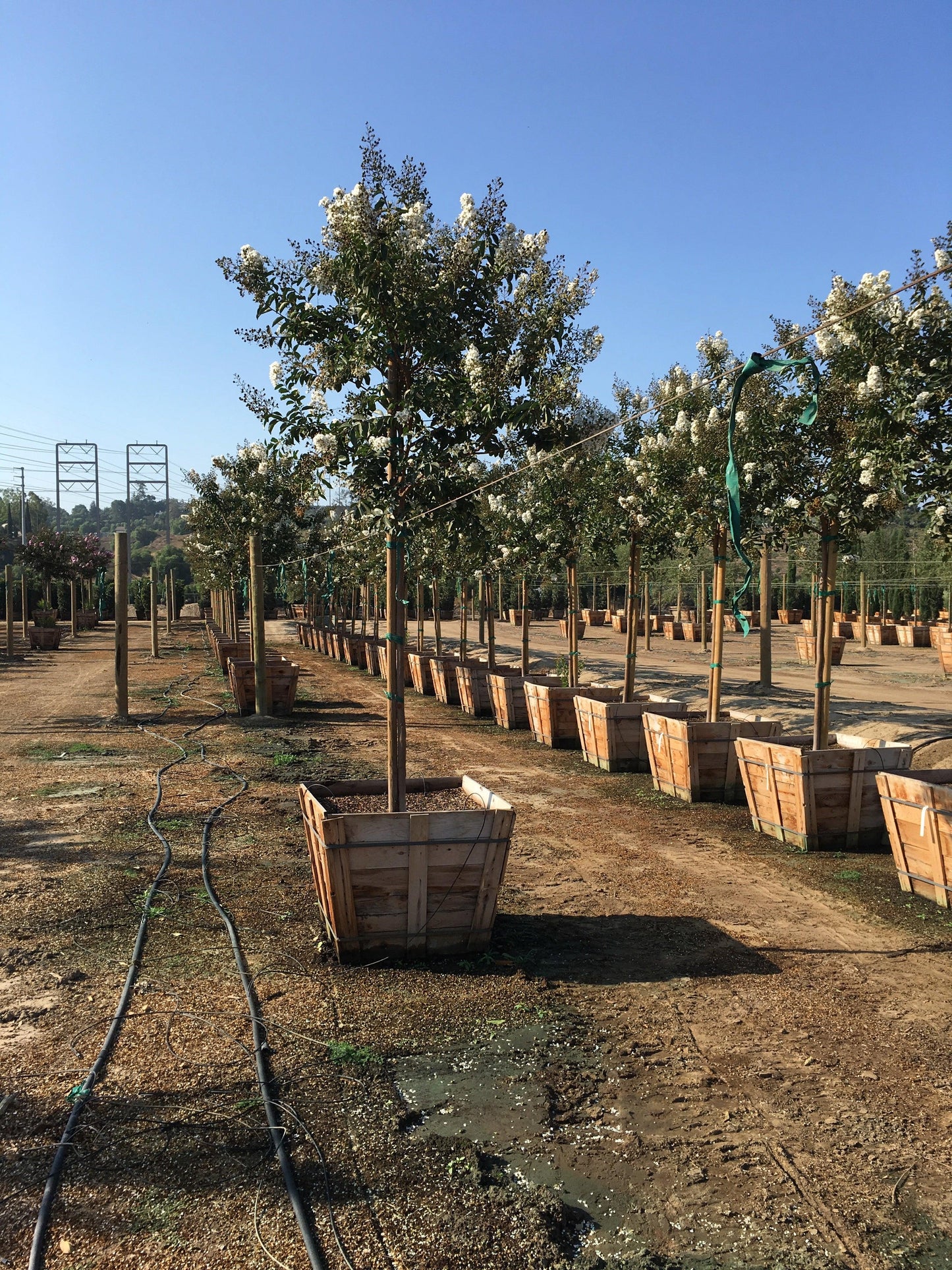

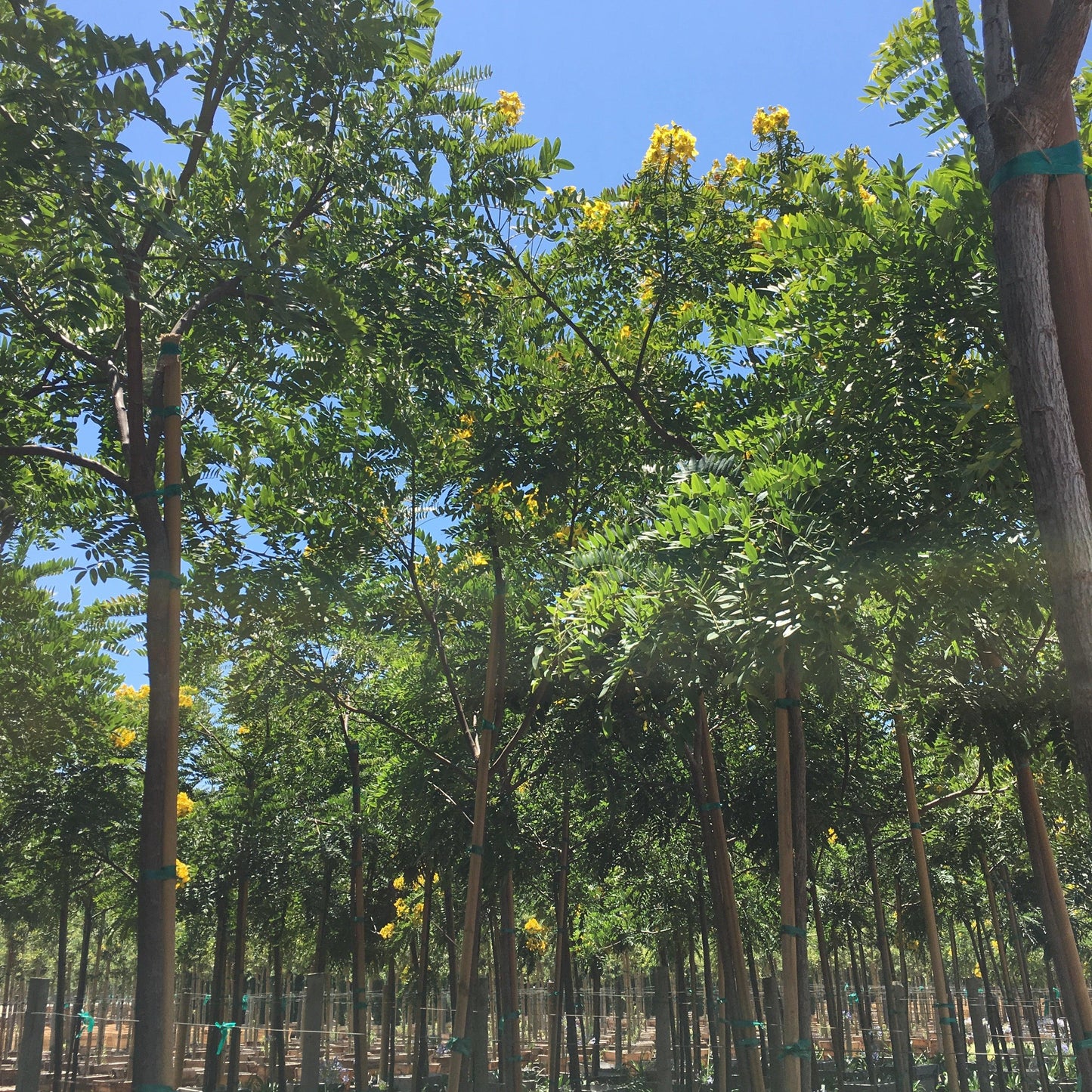

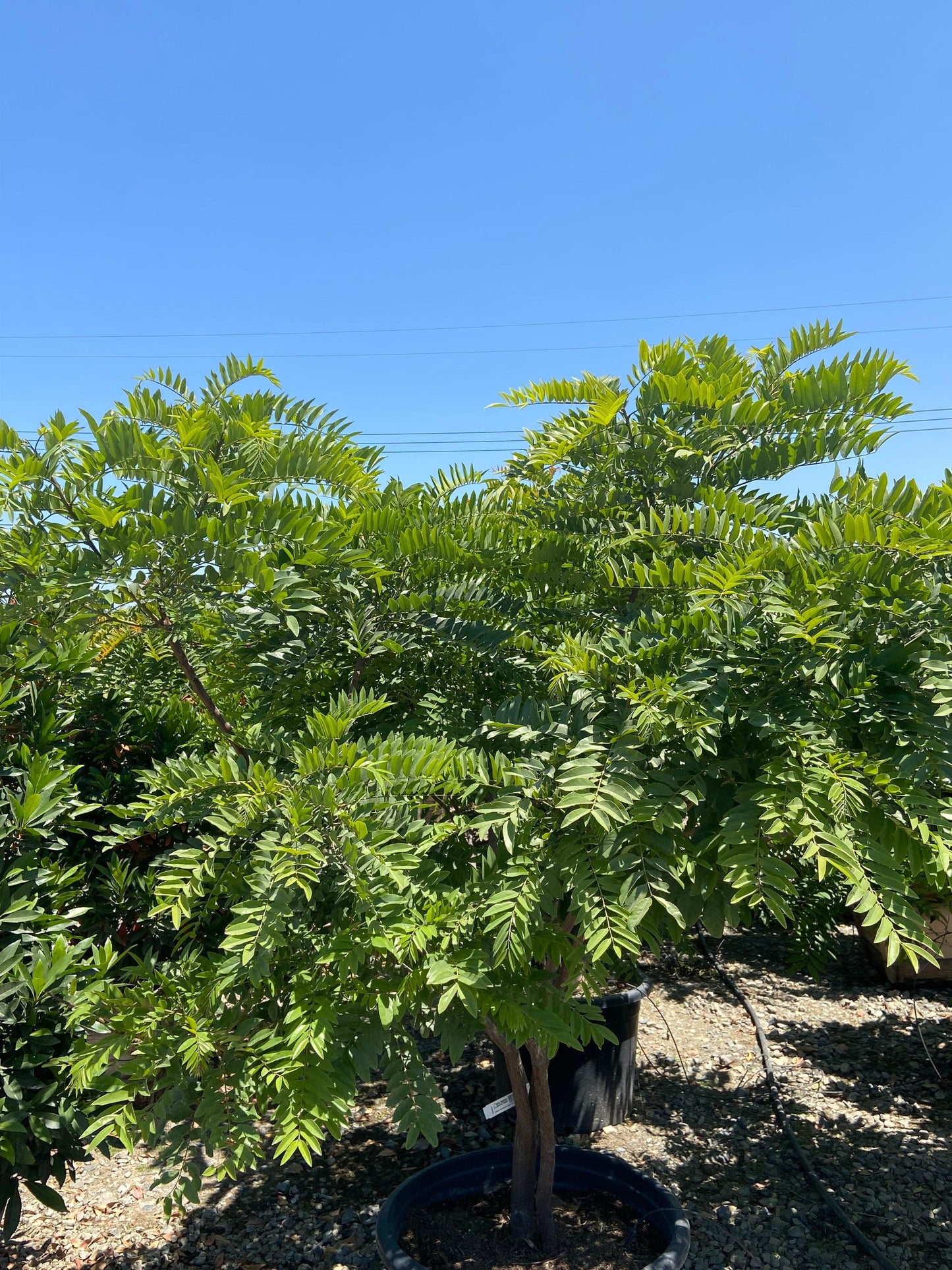


Pairs Well With

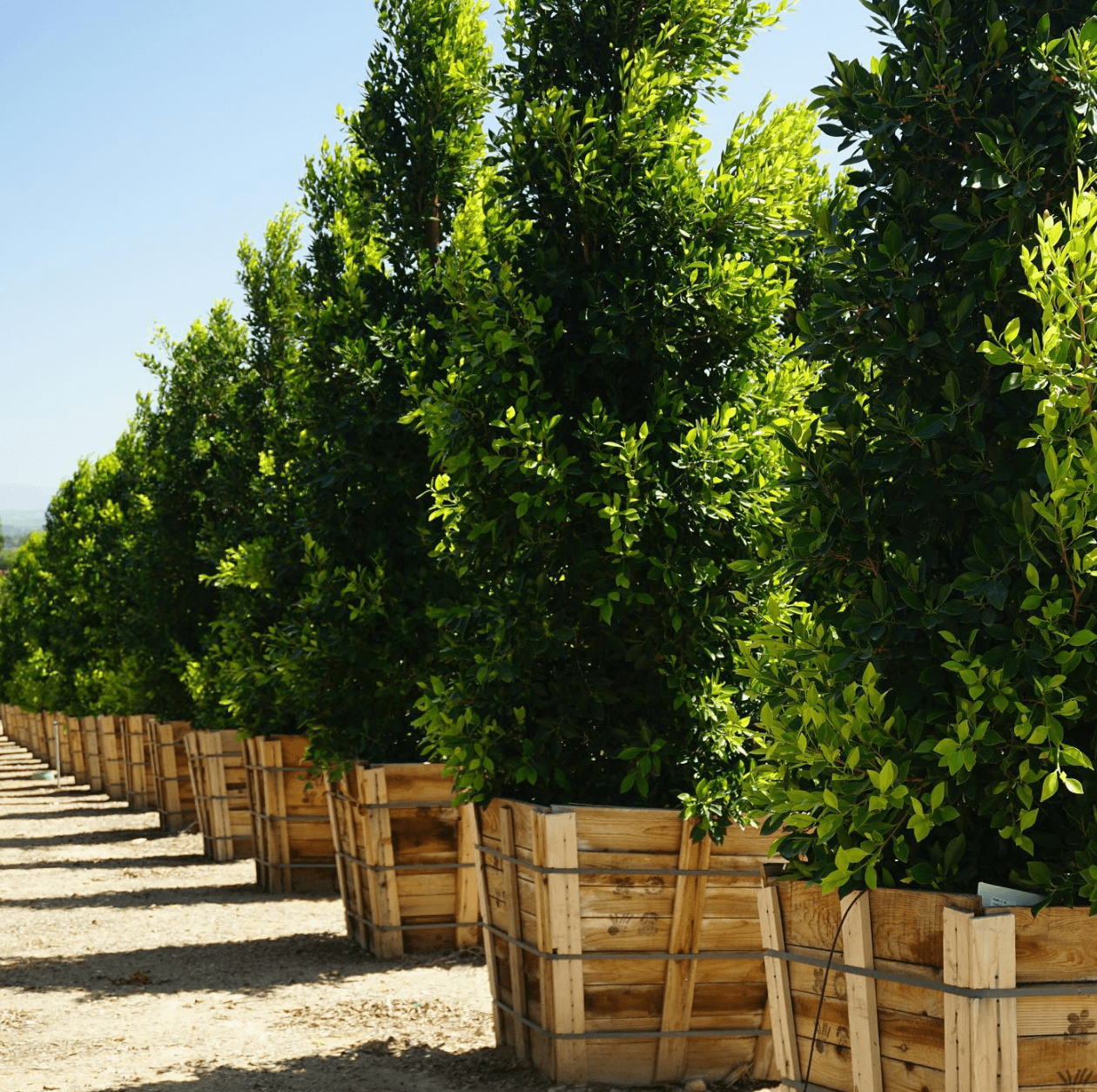












You May Also Like












Thousands of Healthy Plants Delivered

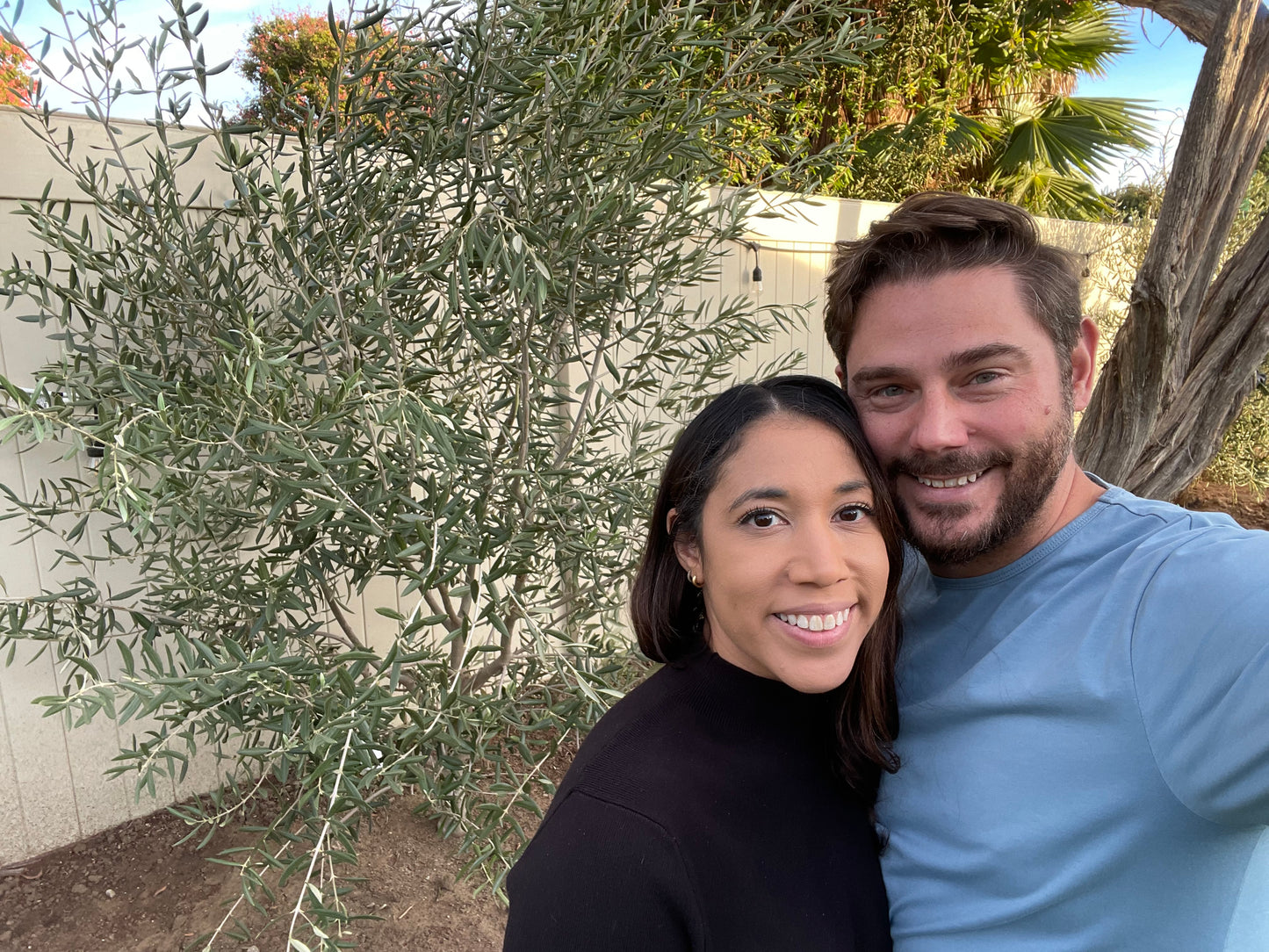
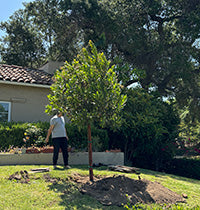
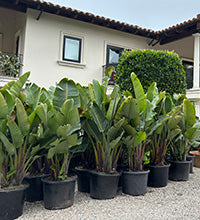
Yardwork was so great to work with. First they had the Swan Hill olive trees that we had been searching for, we had contacted several other nurseries without any luck previously. Then they answered all of our questions in a timely matter prior to ordering and finally delivered within a few days of placing it. Their staff is incredibly knowledgeable; they delivered and planted our trees with expertise to ensure that they would do well in our yard. We would definitely work with them again for future projects.











A Modern Experience
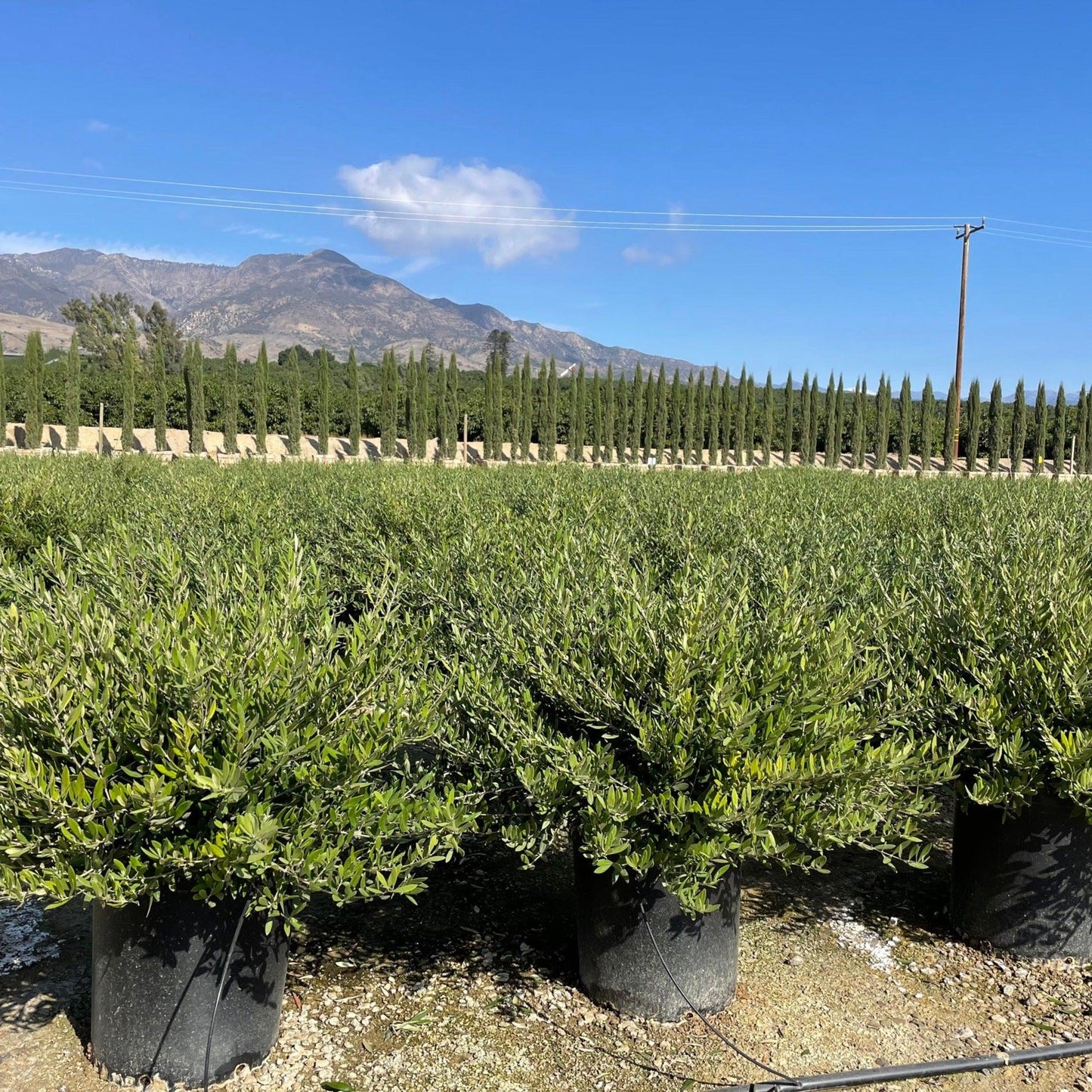
At Yardwork, we carefully curate thousands of plants, in all container sizes, to provide you with the best selection of the highest quality trees and plants at the best price, with the convenience of an online platform.
Uncompromised Quality
We choose only the finest specimens and hand select our plants just before delivery to ensure you receive the freshest and most robust specimens available for your landscape.
Industry Leading Warranties
Our 30, 90, and 365 extended warranties provide some of the best coverage to ensure our trees and plants thrive in your landscape.
Frequently Asked Questions
We're committed to changing everything about trees and plants - how they’re grown, how you shop for them, and how much they cost. We handle orders ourselves. No middlemen to get between us (or our prices) and you.
We're committed to changing everything about trees and plants - how they’re grown, how you shop for them, and how much they cost. We handle orders ourselves. No middlemen to get between us (or our prices) and you.
Delivery does not include unloading of trees and plants LARGER than a 24" box.
Trees and plants in smaller containers will be dropped curbside (usually on the driveway or near the front doorstep).
Delivery beyond a curbside drop will be charged extra.
Trees and plants that are sold in container sizes LARGER than a 24" box size will require equipment and/or enough manpower onsite to help unload from the truck.
Please reach out to our team PRIOR to placing your order to help coordinate.
Our team can provide unloading assistance with equipment for an extra fee as well.
Delivery does not include unloading of trees and plants LARGER than a 24" box.
Trees and plants in smaller containers will be dropped curbside (usually on the driveway or near the front doorstep).
Delivery beyond a curbside drop will be charged extra.
Trees and plants that are sold in container sizes LARGER than a 24" box size will require equipment and/or enough manpower onsite to help unload from the truck.
Please reach out to our team PRIOR to placing your order to help coordinate.
Our team can provide unloading assistance with equipment for an extra fee as well.
We ship locally within California within 7-10 days of your order being placed.
We ship nationally using carrier partners, based on order size.
Text or call 323-576-4159 for specific shipping details for your location.
We ship locally within California within 7-10 days of your order being placed.
We ship nationally using carrier partners, based on order size.
Text or call 323-576-4159 for specific shipping details for your location.
We are currently online only and don't have physical locations where you can view plants in person.
That's why we have photos direct from the growing grounds of the plants we will ship and we display pricing right in our store.
We do make sure to pick the very best trees and plants prior to shipping and make sure that they have gone through our multi-point inspection for health and structure.
We will always reach out prior to delivery if we find a quality issue or need to provide a substitute.
We are currently online only and don't have physical locations where you can view plants in person.
That's why we have photos direct from the growing grounds of the plants we will ship and we display pricing right in our store.
We do make sure to pick the very best trees and plants prior to shipping and make sure that they have gone through our multi-point inspection for health and structure.
We will always reach out prior to delivery if we find a quality issue or need to provide a substitute.
Plants vary greatly by type. Here is a rough idea of sizes based on containers that are direct from our growing grounds.
15 Gallon Shrub 3-4 Ft. Tall
15 Gallon Tree 5-6 Ft. Tall
24" Box Shrub 5-6 Ft. Tall
24" Box Tree 6-7 Ft. Tall
36" Box Shrub/Tree 7-9 Ft. Tall
48" Box Shrub/Tree 8-10 Ft. Tall
**Please note that we do not make guarantees of sizes. If you have questions or concerns, please call or text to request accurate sizing for the particular plant you're considering, prior to ordering.
Plants vary greatly by type. Here is a rough idea of sizes based on containers that are direct from our growing grounds.
15 Gallon Shrub 3-4 Ft. Tall
15 Gallon Tree 5-6 Ft. Tall
24" Box Shrub 5-6 Ft. Tall
24" Box Tree 6-7 Ft. Tall
36" Box Shrub/Tree 7-9 Ft. Tall
48" Box Shrub/Tree 8-10 Ft. Tall
**Please note that we do not make guarantees of sizes. If you have questions or concerns, please call or text to request accurate sizing for the particular plant you're considering, prior to ordering.
We offer a limited 30 day warranty for plants that are delivered and a 90 day warranty for plants that we plant.
The limited warranty covers plants that die as a result of disease or fungus which was derived from our growing grounds or from root balls that were root bound.
The warranty does not cover damage due to watering, fertilizer, soils, or any other conditions beyond our control. Additionally, the warranty does not cover certain plants that are shipped out of the state of California or shipped into California from other states. Custom plant orders are also not covered under warranty. Plants must be planted within 24 hours after delivery to qualify.
We can assist you in recommending the right soils and fertilizers to help your plant thrive after you plant it.
Text or call 323-576-4159 for further warranty information.
We offer a limited 30 day warranty for plants that are delivered and a 90 day warranty for plants that we plant.
The limited warranty covers plants that die as a result of disease or fungus which was derived from our growing grounds or from root balls that were root bound.
The warranty does not cover damage due to watering, fertilizer, soils, or any other conditions beyond our control. Additionally, the warranty does not cover certain plants that are shipped out of the state of California or shipped into California from other states. Custom plant orders are also not covered under warranty. Plants must be planted within 24 hours after delivery to qualify.
We can assist you in recommending the right soils and fertilizers to help your plant thrive after you plant it.
Text or call 323-576-4159 for further warranty information.
Our local delivery team covers most cities in California.
There are some exceptions, so please get in touch to confirm prior to ordering.
Additionally, we ship throughout the entire United States and even internationally. Each shipment is custom, so please reach out to our team to coordinate.
Our local delivery team covers most cities in California.
There are some exceptions, so please get in touch to confirm prior to ordering.
Additionally, we ship throughout the entire United States and even internationally. Each shipment is custom, so please reach out to our team to coordinate.