Agave Plants – Complete Guide to Growing and Caring for Desert Succulents
Agave plants are drought-tolerant, architectural succulents native to the Americas, ideal for water-wise landscapes, patio containers, rock gardens and bold focal plantings. The genus Agave includes many agave species with basal rosettes of succulent or leathery leaves, often finished with sharp spines, spiny margins and a strong terminal spine.
Looking for agave plants that transform your landscape? Discover hardy succulent plants with sculptural form, dramatic foliage and reliable performance in dry, sunny sites. From compact rosettes to the famous century plant, agave species vary by growth habits, textures and survival thresholds.
Find your perfect agave variety and create a water-wise garden today.
Agave Plants for Every Garden Purpose
Whether you’re creating xeriscapes or adding focal points, there’s an agave variety for every landscape need. Most agaves prefer direct sunlight, open air movement and well draining soil, making them excellent plants for California gardens, dry borders and low-water designs, especially when sourced from a local plant nursery near you.
Agave plants have been used for millennia by Indigenous American peoples for various applications, including food, beverages, and materials for clothing and tools. The sap of the agave plant is fermented to produce pulque, an alcoholic beverage, and can also be distilled to create mezcal and tequila, with blue agave being the primary species used for tequila production, much like other fruit trees and edible landscape plants that bring dual ornamental and culinary value.
Agave nectar, derived from the sap of the agave plant, is a popular sugar alternative that is lower on the glycemic index compared to regular sugar and honey. Agave fibers are also used to make various products such as ropes, brushes, and mats, showcasing the plant’s versatility beyond culinary uses.
Landscape Focal Point Agaves
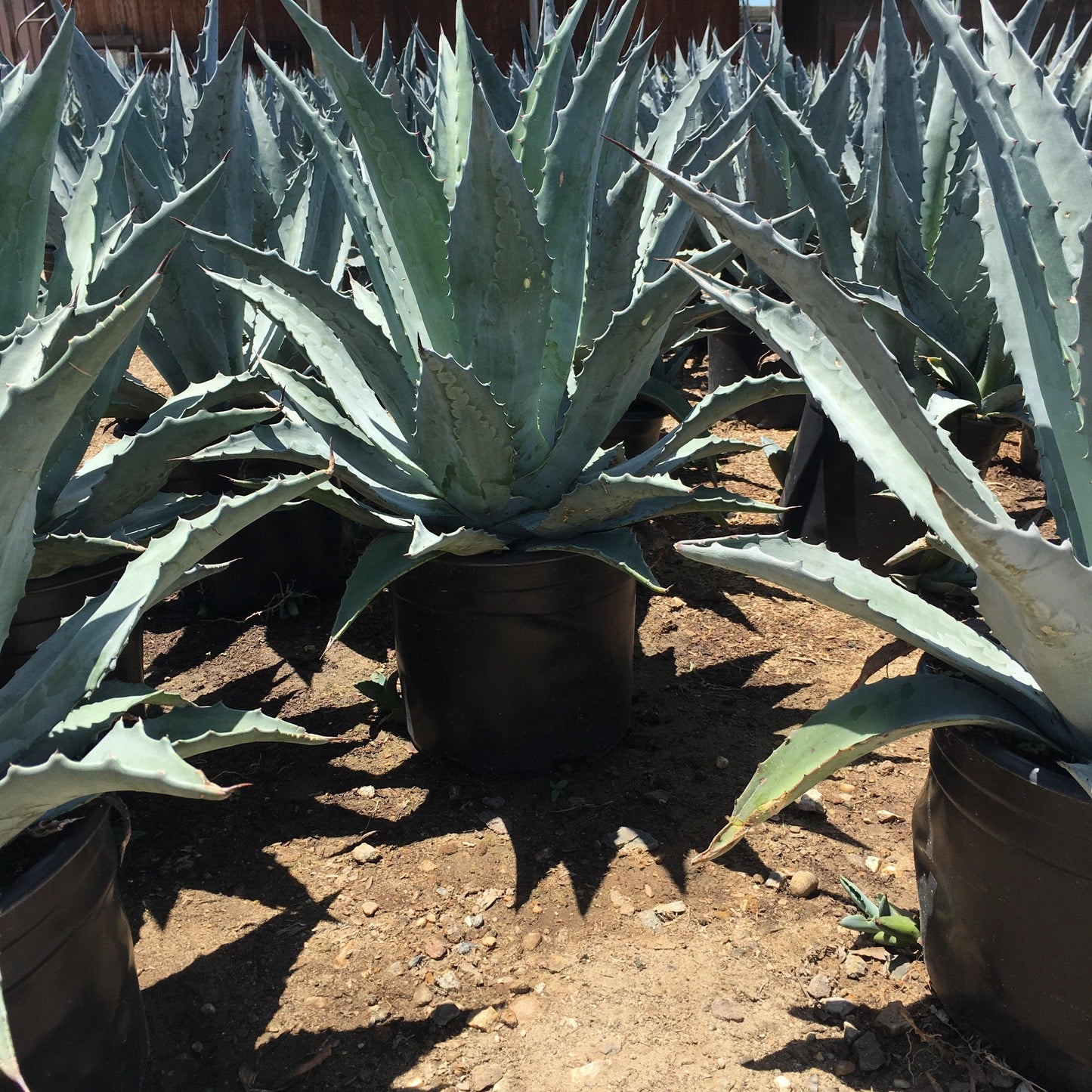
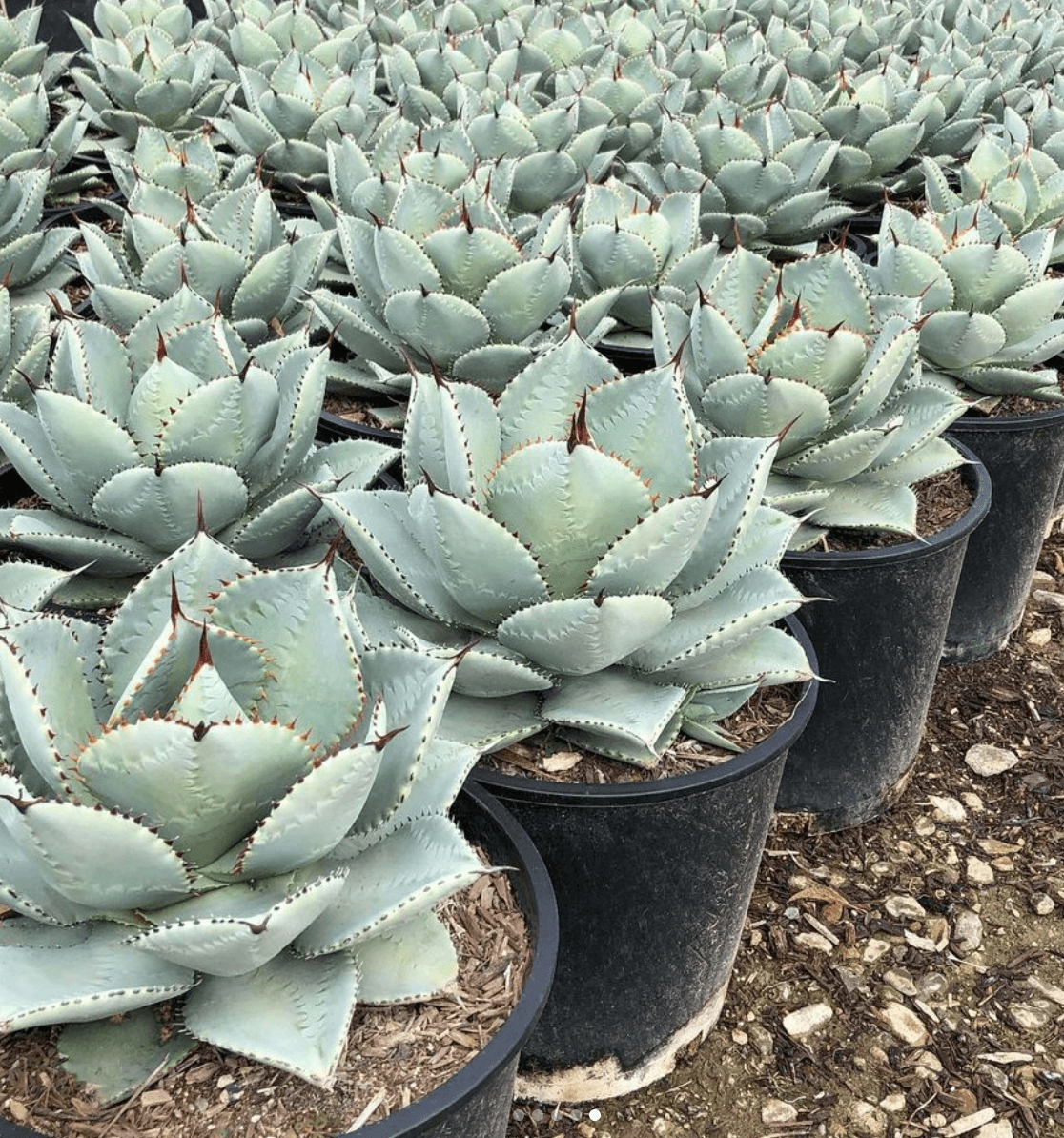
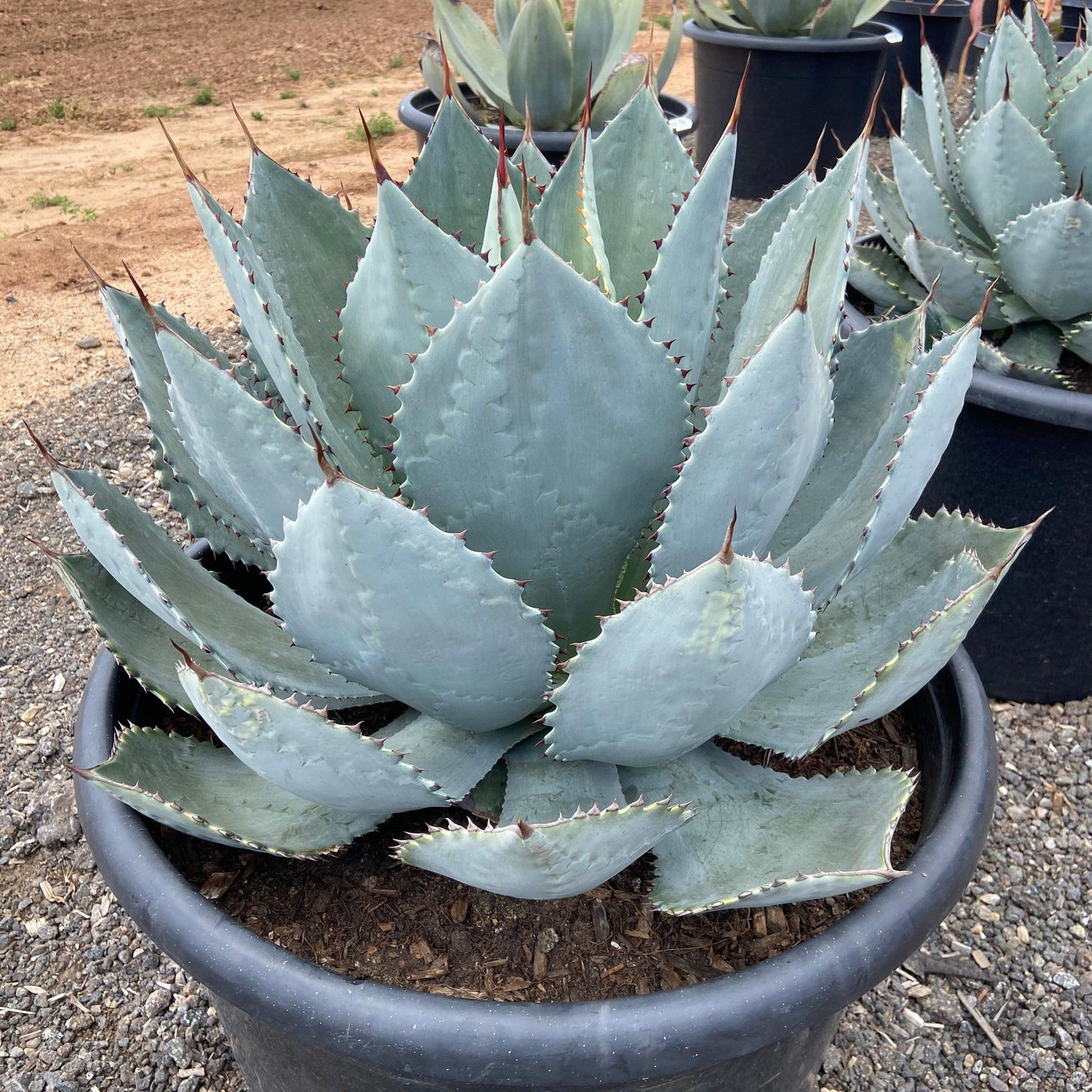
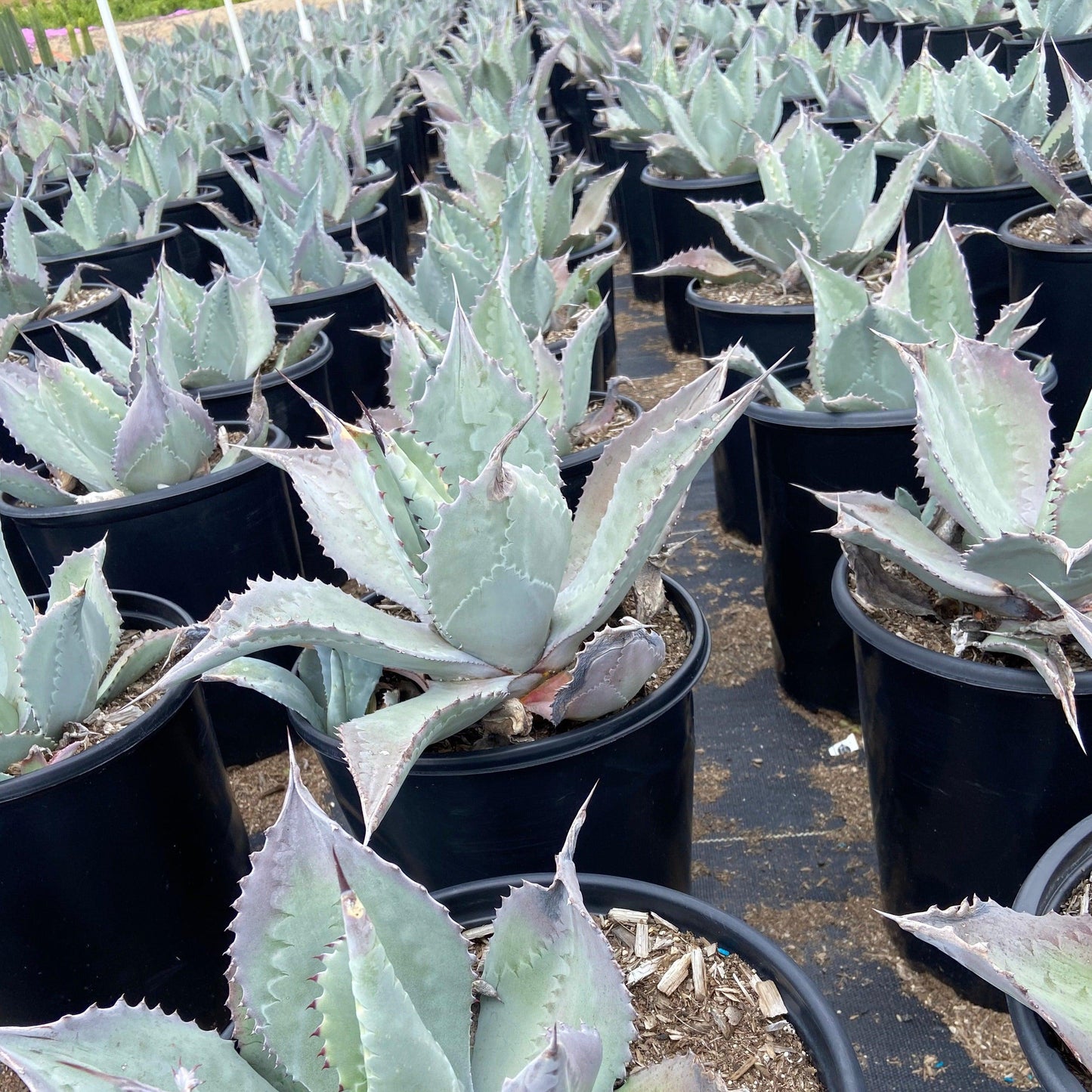
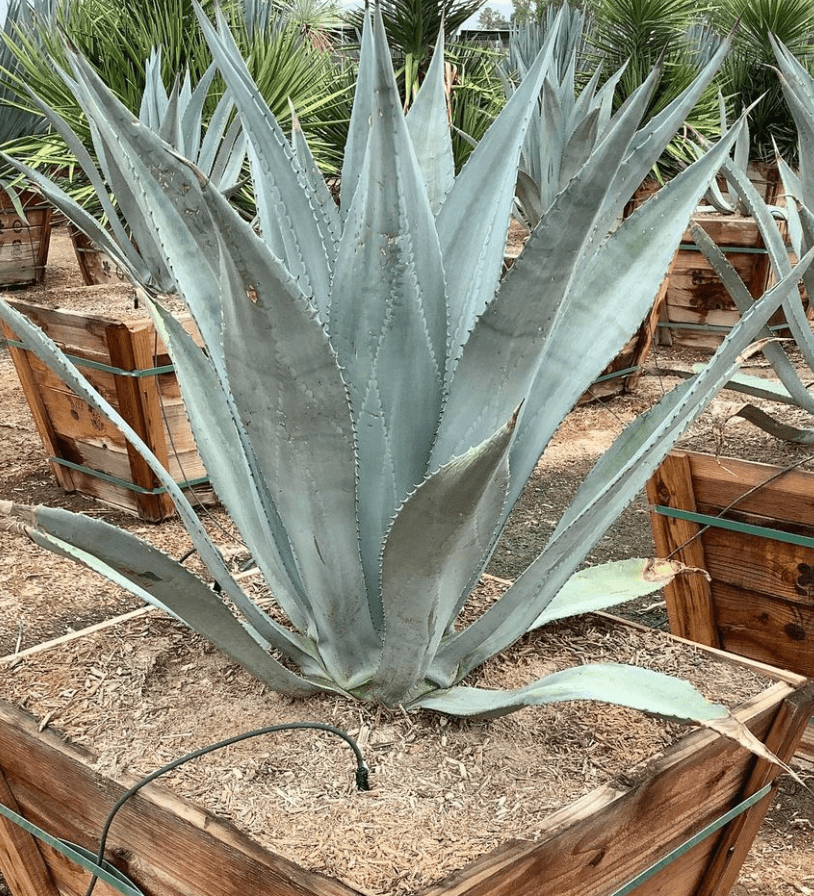
Choose dramatic species like Agave americana or Agave ovatifolia when you want a commanding garden centerpiece. Agave americana, also known as the century plant, is characterized by its long time to flower, which can depend on various factors such as soil richness and climate.
Place large agaves near patios, entryways or open gravel beds where their architectural form can be seen without blocking paths. Pair broad blue-gray agave leaves with smaller succulents, grasses and boulders to create balanced compositions with scale, contrast and structure.
Container & Patio Agaves
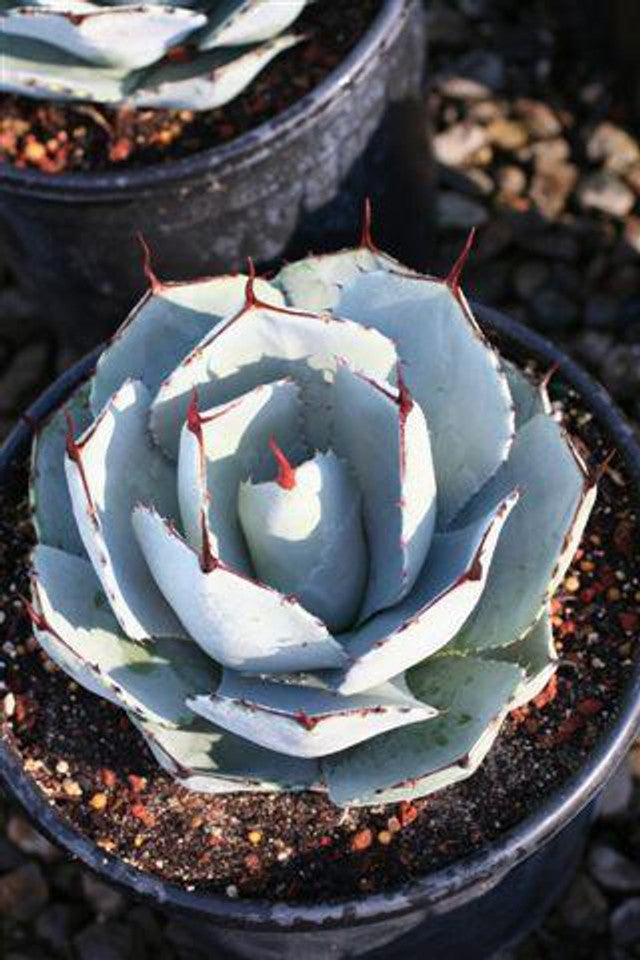
Compact agaves such as Agave bracteosa, Agave parviflora and Agave victoriae-reginae work beautifully in sturdy containers. These young plants are especially useful for patios, balconies and courtyards where mature size matters.
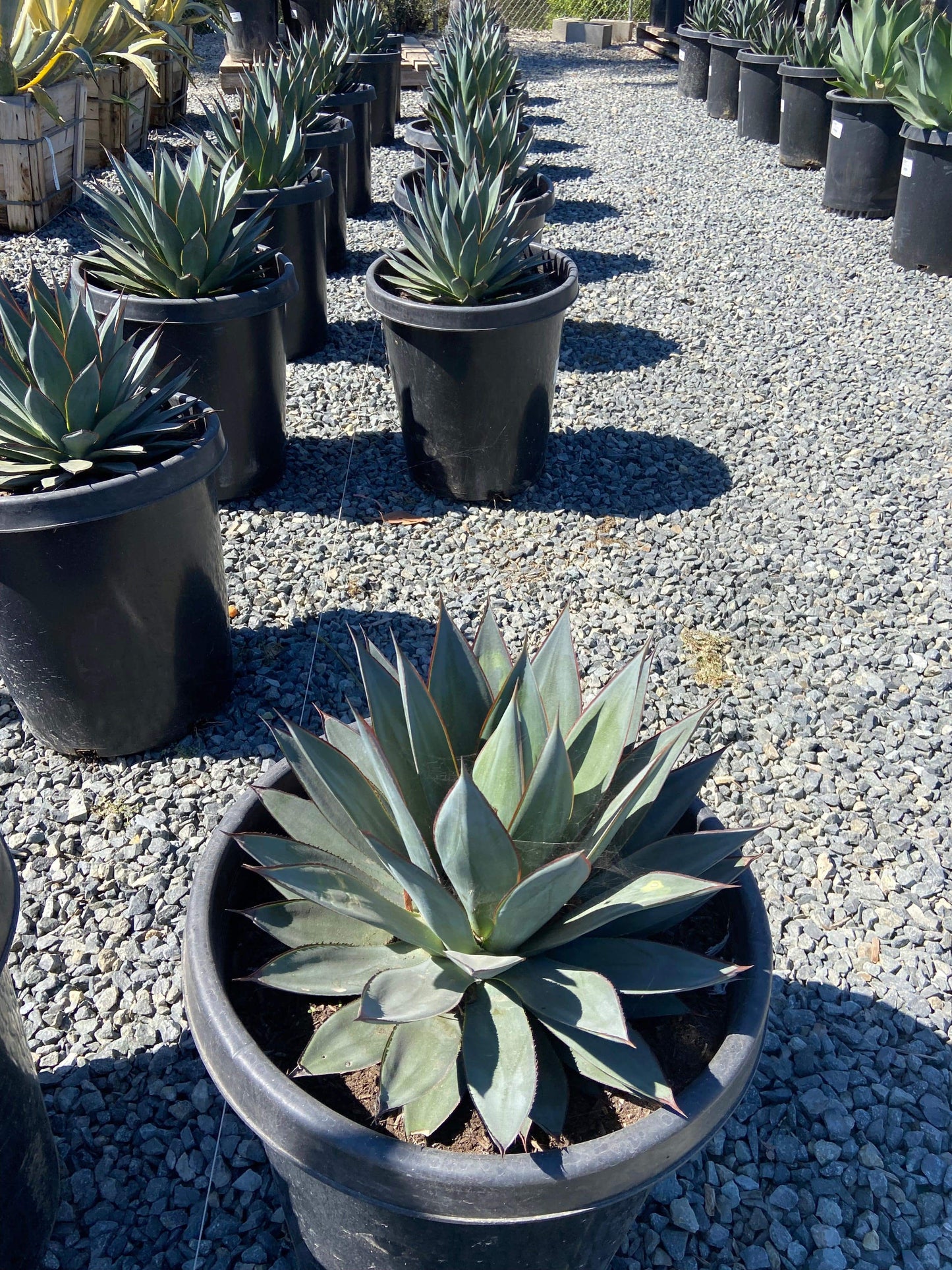
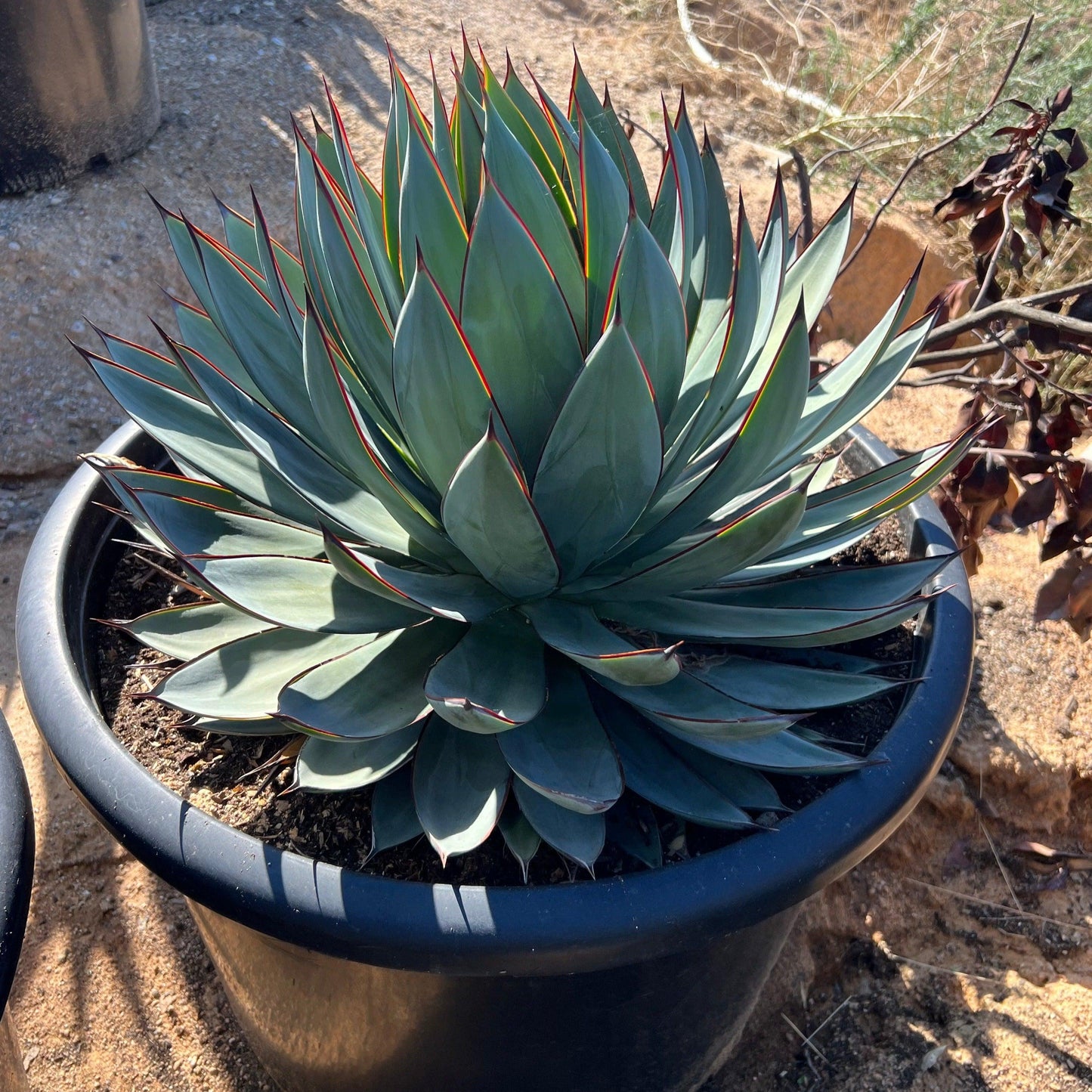
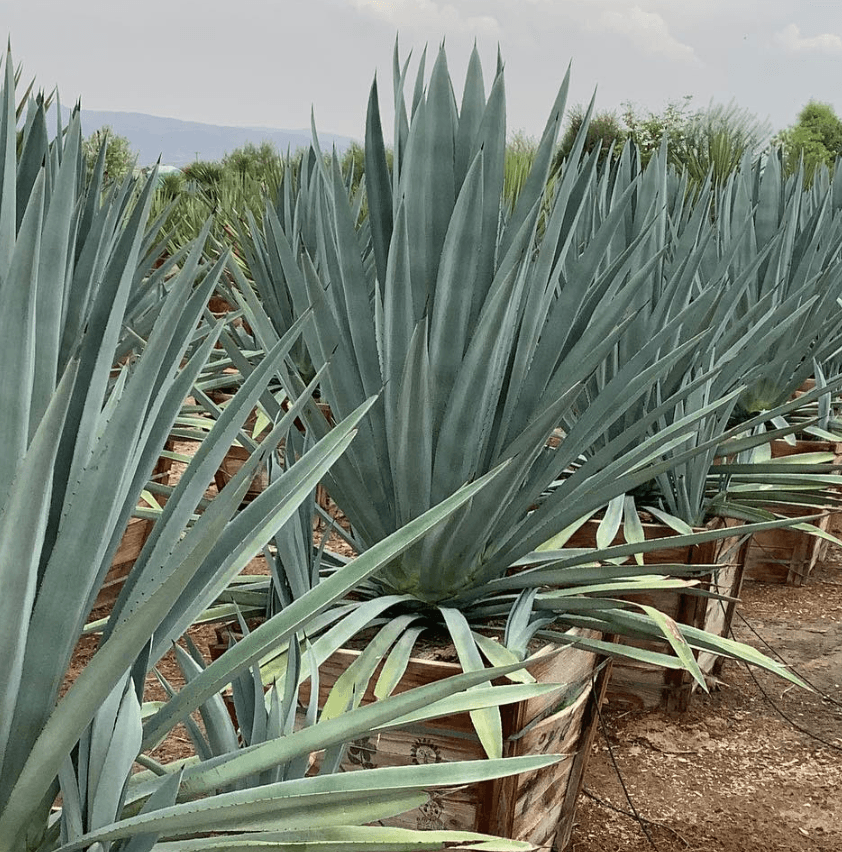
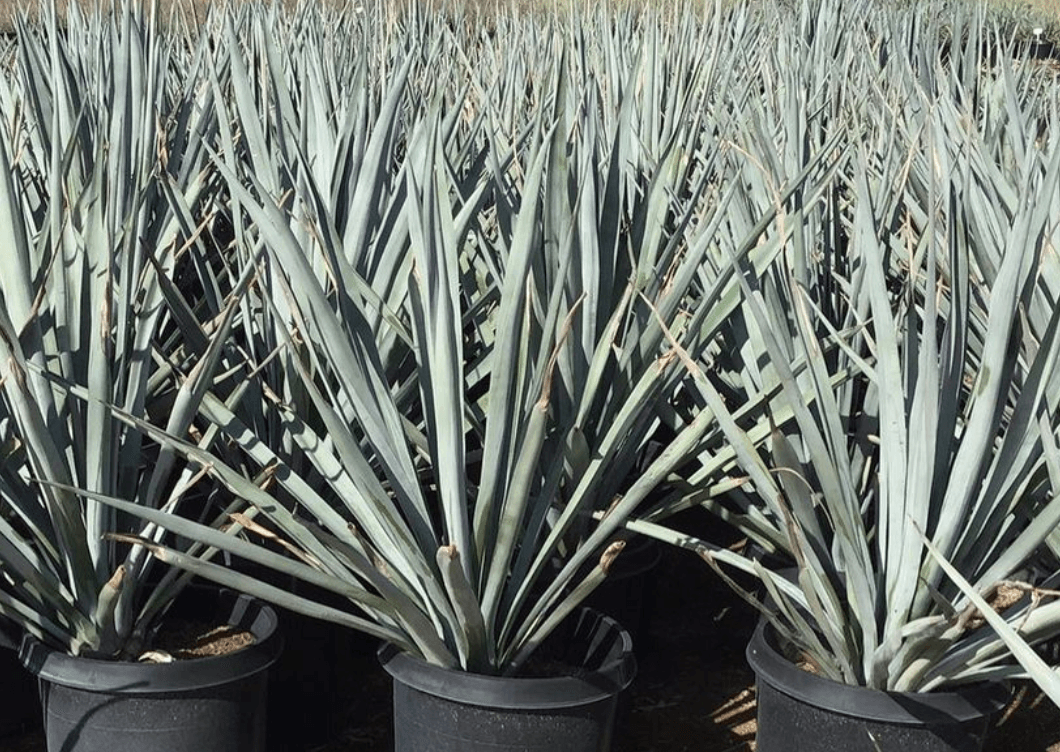
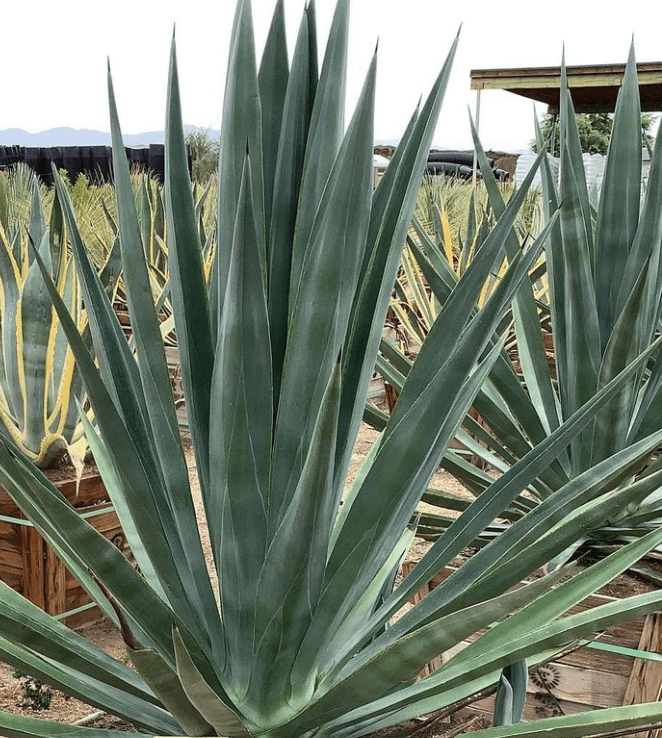
Blue-toned species like Agave tequilana ‘Blue Glow’ and other blue agaves create striking container displays. Agave tequilana, commonly known as blue agave, is primarily used in the production of tequila and is native to regions in Mexico such as Jalisco. Use terracotta or ceramic planters with gritty soil to complement the plant’s sculptural qualities and help roots dry quickly.
Rock Garden & Border Agaves
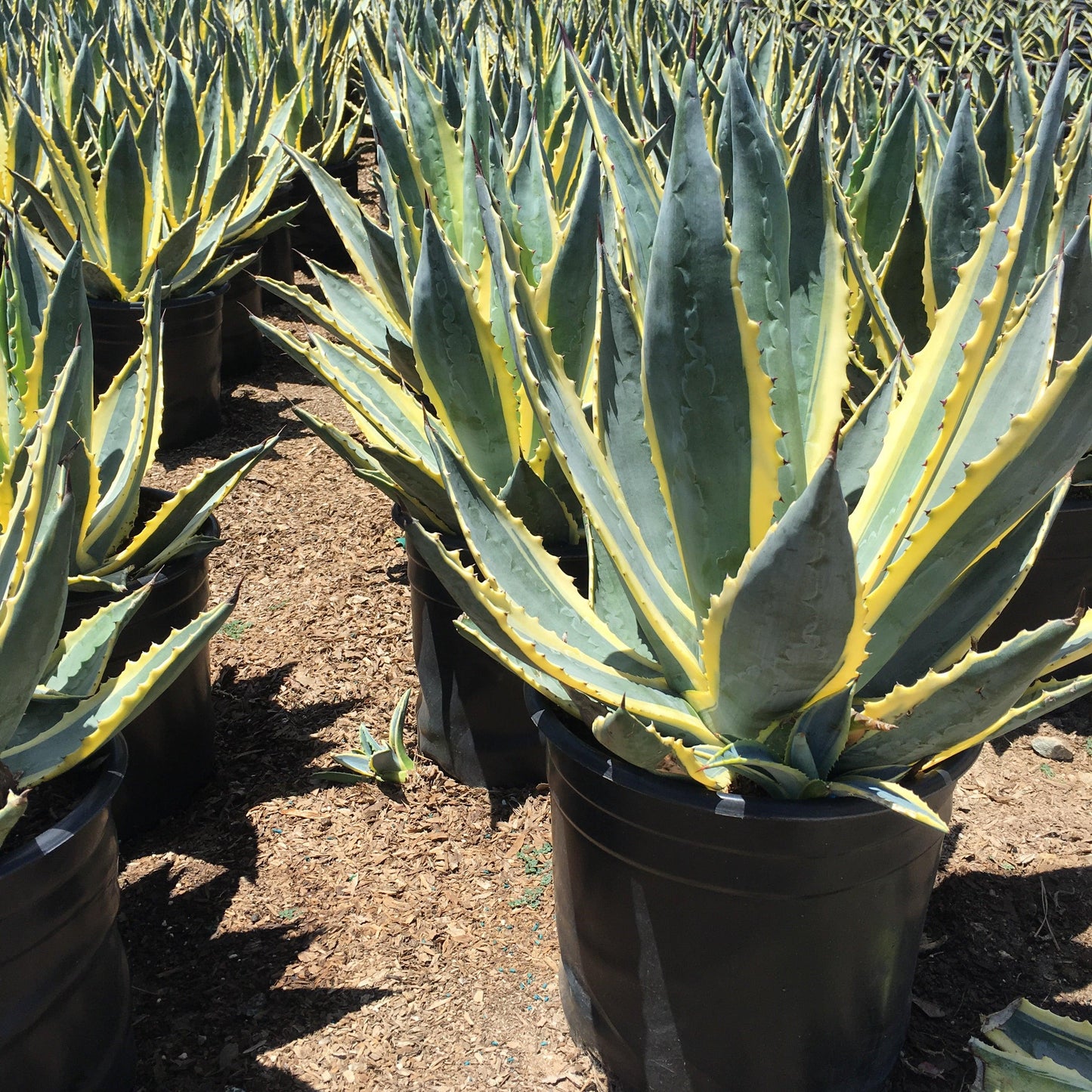
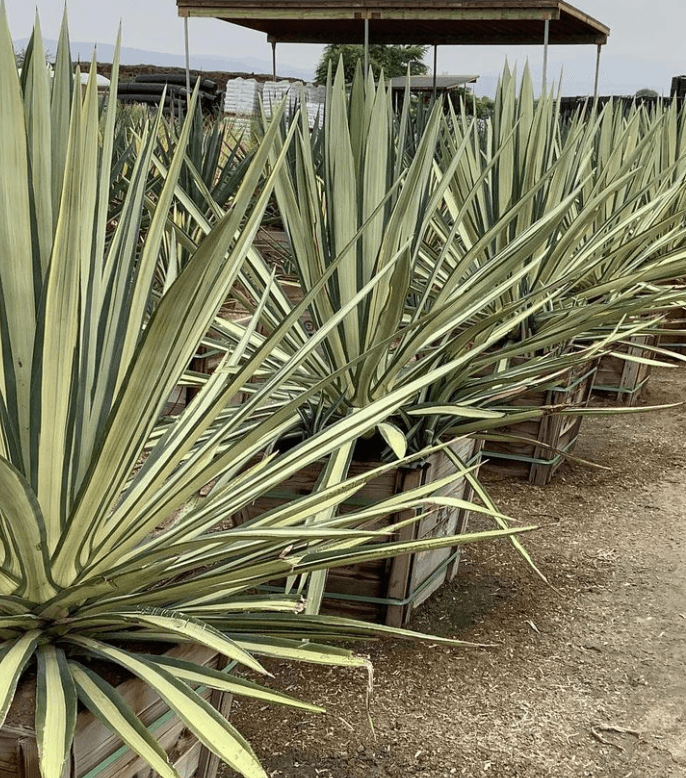
Smaller rosette varieties such as Agave potatorum bring texture to borders, rock gardens and dry slopes. Variegated forms like Agave americana ‘Marginata’ add yellow or cream striping, while several species with white markings create detail up close.
Group multiple species for dynamic succulent garden compositions, but allow space for mature spread and offsets. Some agave species, like A. americana, rapidly produce “pups” around their base, which can become invasive and difficult to remove from tight spaces.
Choose the Right Agave for Your Growing Conditions
The right variety thrives in your specific climate and enhances your garden’s success. Agave species are characterized by a rosette of succulent or leathery leaves that can range in size from a few centimeters to over 2.5 meters in length, depending on the species.
Some commonly grown species of agave include Agave americana, A. angustifolia, A. attenuata, A. tequilana, and A. victoriae-reginae. Many species are tough, but hardiness zones still matter because frost, winter wet and poor soil drainage can damage roots and crowns.
For Hot, Arid Climates (Zones 9-11)
Select heat-loving species like Agave deserti or Agave lechuguilla for extreme desert conditions. In places such as Arizona and inland California, thick, waxy agave leaves store water efficiently and help plants tolerate intense sun.
Plant blue agave for ornamental beauty and cultural significance, especially where frost risk is low. Many agave species in hot climates thrive in mineral soil, need little fertilizer and perform best when watered only after the soil has dried.
For Moderate Mediterranean Climates (Zones 8-9)
Plant adaptable species like Agave americana where temperatures fluctuate but drainage is strong. Moderate Mediterranean climates suit many agaves, including large focal plants and variegated cultivars, as long as winter moisture does not collect in the crown, and they pair well with evergreen privacy trees and fast-growing screening plants.
Agaves fail in rich, clay-heavy, or damp soil; they prefer sloped grades or a mixture of coarse sand and gravel in their soil profile to optimize runoff. Agave plants tolerate any well-draining soil but prefer rocky or sandy soil; poor soil drainage can lead to root rot.
For Cold-Hardy Applications (Zones 5-7)
Plant Agave parryi or Agave utahensis where freezing temperatures are expected. Cold-hardy agave species like A. parryi and A. ovatifolia can withstand temperatures into the teens or single digits Fahrenheit when planted in dry, fast-draining conditions, and can be combined with hardy Winter Gem boxwood shrubs for year-round structure.
Choose compact, low-growing varieties that handle snow cover and ice better than tender tropical-looking species. Hardy species from higher elevations are stronger choices for northern climates, especially when planted near stone, on slopes or in raised beds.
For Small Spaces & Urban Gardens
Plant dwarf varieties like Agave victoriae-reginae, often searched as Agave victoria-reginae, where space is limited. Slow-growing species are ideal for urban gardens because they hold their form for years and are less likely to outgrow containers or narrow beds, especially when paired with slender Tiny Tower Italian cypress for vertical accents.
Select varieties with minimal spine production for safety in high-traffic areas. Agaves are famous for their razor-sharp leaf tips and spiny margins, so avoid placing heavily armed plants next to children’s play areas, pet paths or tight walkways.
Premium Agave Varieties That Last
Quality agave plants should thrive for decades with minimal maintenance. Most agave species are long-lived but not permanent in the same way as trees or shrubs, because many agave species are monocarpic, meaning they die after flowering and fruiting, with most not living longer than 30 years.
Agave plants are generally monocarpic, meaning they die after flowering and fruiting, with most species not living longer than 30 years. New agave plants often continue the display through seeds, bulbils or offsets, so a well-planned collection can renew itself over time.
Architectural & Sculptural Forms
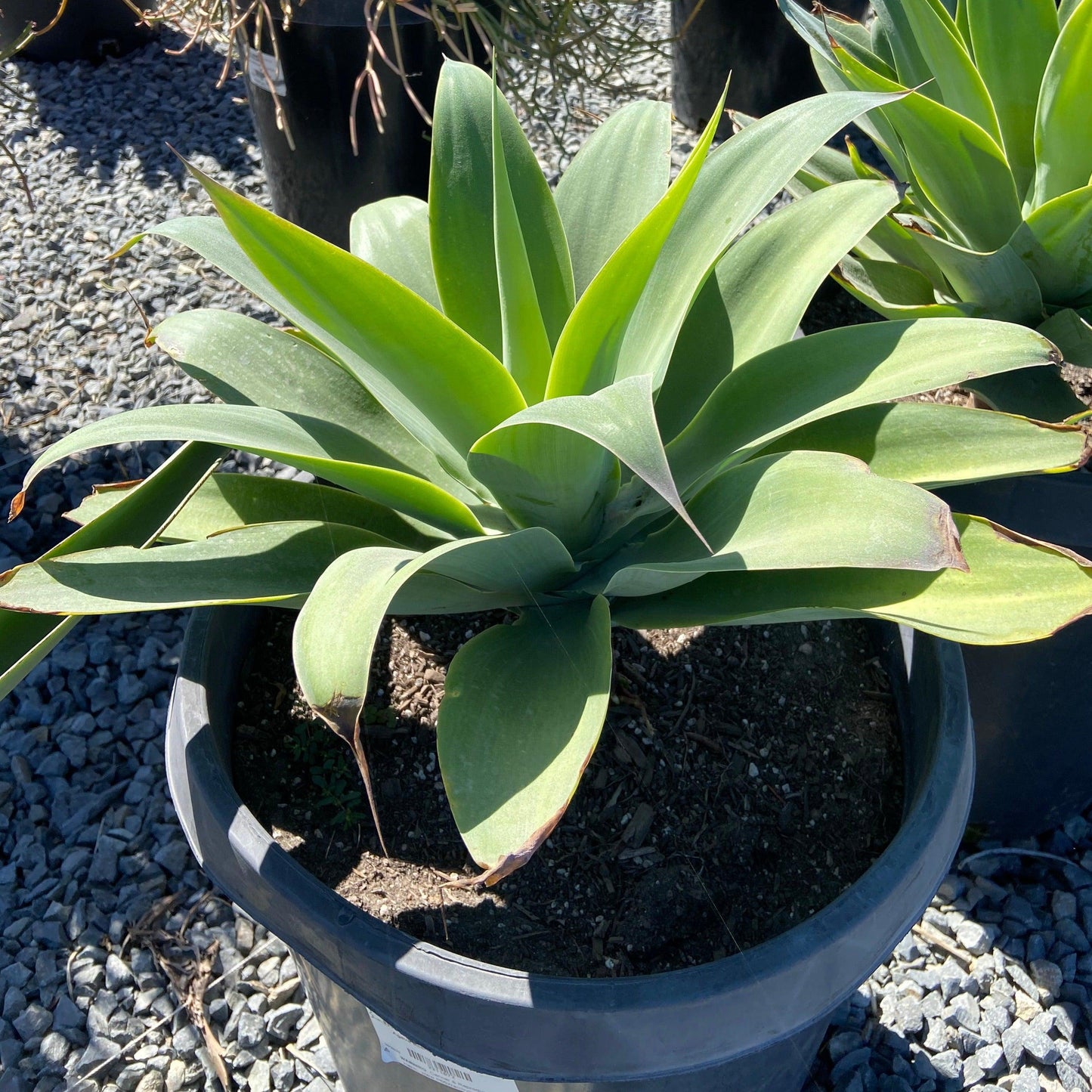
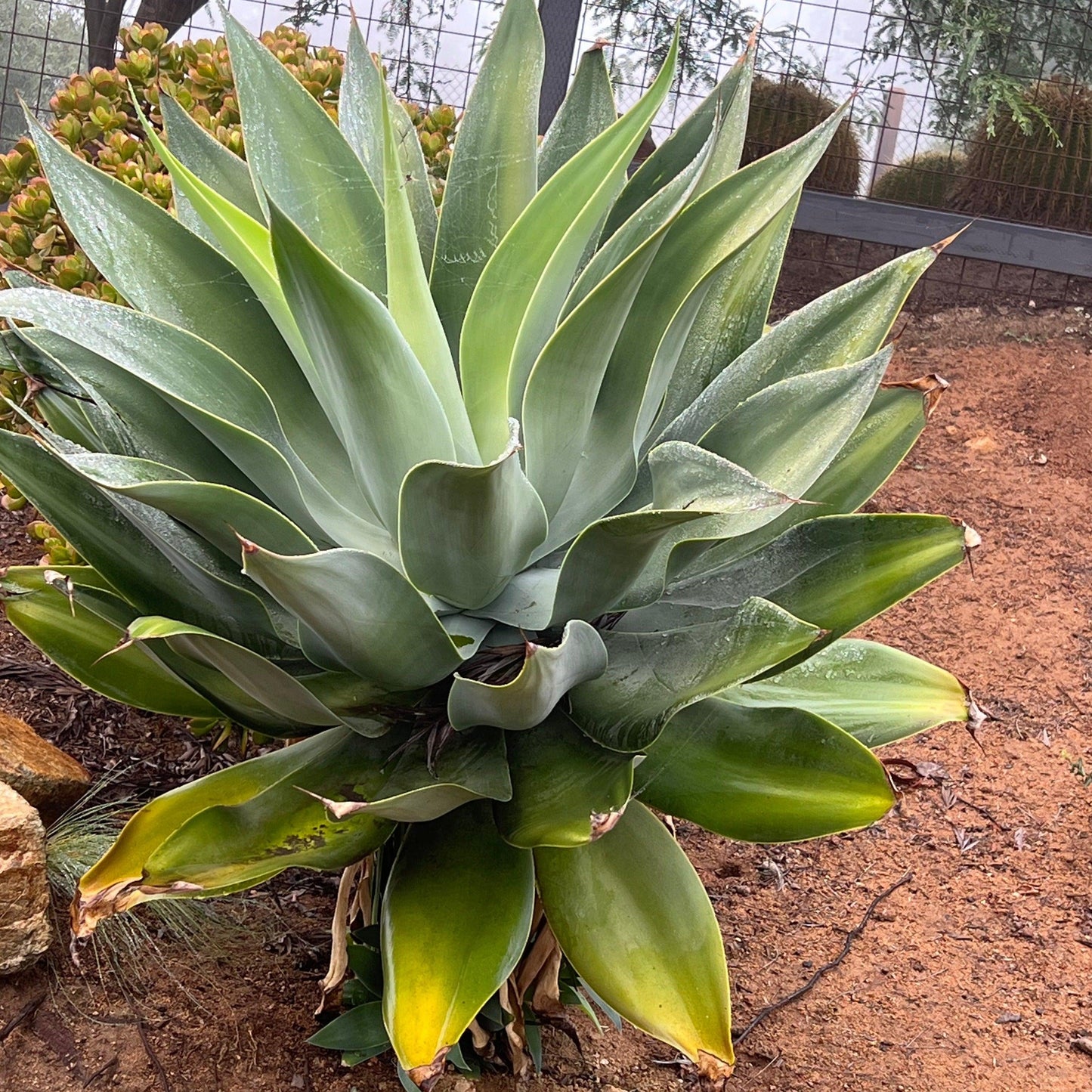
Feature symmetrical basal rosettes with neatly arranged leaves, bold leaf color and strong silhouettes. Agave attenuata, also called octopus agave, offers a softer, spineless look compared with more heavily armed species, while Agave americana delivers a larger, more dramatic form.
Highlight distinctive spine patterns, blue-gray coatings and seasonal color changes. Agave flowers appear only after long maturity in most species, but the foliage provides year-round structure long before flowering begins.
Colorful & Variegated Varieties
Plant blue-gray species like Agave ovatifolia for cool-toned garden palettes. Cream, yellow or striped variegated cultivars brighten gravel gardens and contrast beautifully with green shrubs, dark stone and silver succulents, especially when mixed with native Toyon and other California shrubs.
Choose varieties that develop enhanced coloration with sun exposure, cold stress or dry conditions. Variegated forms may need careful siting because intense heat can mark pale leaf tissue, while too much shade can reduce color and weaken growth.
Fast-Establishing & Reliable Species
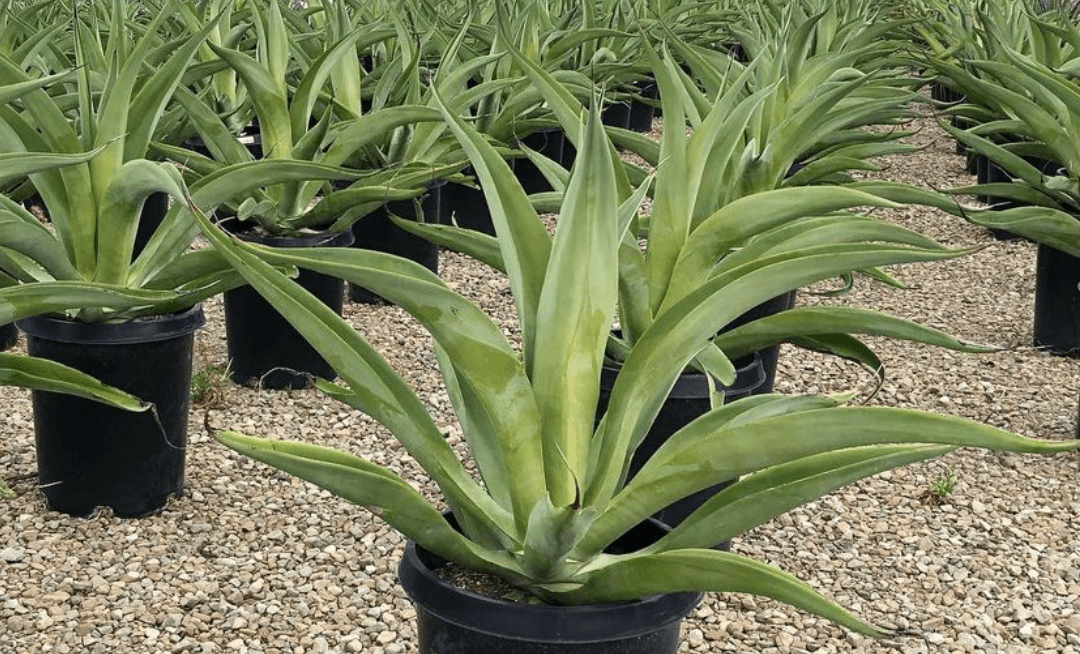
Plant proven performers like Agave angustifolia when you want reliable establishment and strong garden presence. Disease-resistant species with vigorous roots can thrive with minimal intervention once planted in the right site, just as compact flowering trees like Little Gem dwarf Southern magnolia offer long-term reliability in mixed plantings.
Select species known for producing abundant offsets if you want future propagation. These pups can be separated in spring to grow new plants, extend a border or refresh a container planting without starting from seeds.
How to Care for Your Agave Plants
Proper agave plant care ensures healthy growth and maximizes your agave’s natural beauty. Most agaves need sun, drainage and restraint with water; they do not respond well to rich compost, constant moisture or excessive fertilizer.
The leaves, flowers, and stalks of the agave plant can be consumed; the stalks are particularly dense in carbohydrates and can be roasted and eaten directly or ground into patties. The sweet sap, syrup and juice are part of agave’s long history, sometimes compared to honey water because of their sweet character, much like the traditional and modern uses of African sumac and other multi-purpose landscape trees, though garden plants should not be eaten unless correctly identified and safely prepared.
Planting & Soil Requirements
Plant agaves in well-draining sandy or rocky soil with excellent drainage. Amend heavy clay soils with pumice, gravel or coarse sand before planting, and position the crown slightly above grade so water moves away from the stem and roots.
Agave plants prefer a spot with full sun, meaning at least six hours of direct sunlight on most days, but they can tolerate a little shade. Space plants according to mature size, especially large species whose leaves may extend several feet and carry sharp spines along path edges.
Watering & Maintenance
Water deeply but infrequently, allowing soil to dry completely between waterings. Mature agave plants are very drought tolerant and generally only need to be watered if the soil is completely dry, especially during their establishment phase when they should be watered every four to five days for the first month.
Reduce watering during winter dormancy, remove dead or damaged leaves with clean tools, and harvest offsets in spring for propagation. The blooming period for agave typically occurs after 10 to 20 years of growth, with the flowering process lasting three to four months. During the flowering stage, agave plants produce a tall central floral stalk that can grow between 15 to 35 feet tall, with flowers that last about a month each.
Shop Agave Plants Online at Yardwork
Explore our curated collection of hardy agave varieties perfect for California gardens. Choose from compact container plants to specimen-sized focal points, including agave species selected for hardiness zones, mature size, leaf color, variegation, spine structure and climate adaptability.
At Yardwork, we help you match the right agave to the right site, whether you need a drought-tolerant accent for a patio, a cold-hardy plant for a gravel slope or a bold century plant for a modern landscape. Your perfect agave plant is ready for delivery today.