Abelia Shrubs – Shop Premium Varieties for Every Garden
Looking for a flowering shrub that delivers year-round beauty? Discover compact, standard and variegated abelia varieties designed for every landscape need. From colorful foundation plantings to fragrant privacy hedges, our collection combines stunning seasonal foliage, continuous blooms and proven California performance.
Abelia is a genus of versatile, low-maintenance flowering shrubs belonging to the honeysuckle family (Caprifoliaceae). The Abelia genus comprises about 15 to 30 species and hybrids of multi-stemmed flowering shrubs, including many modern abelias that are heavily hybridized versions of Abelia × grandiflora or Abelia chinensis meant specifically for compact spaces, containers, and borders.
Find your perfect abelia and transform your garden today.
Abelia for Every Garden Purpose
Whether you’re creating structure or adding seasonal interest, there’s an abelia variety for every landscape goal. Abelia shrubs typically exhibit an upright arching habit, growing between 2 to 10 feet tall and 2 to 8 feet wide, depending on the variety, making them useful as hedges, foundation plantings, stand-alone focal points and mass plantings.
Foundation Plantings
Choose compact shrub varieties like ‘Kaleidoscope’ and ‘Confetti’ for garden beds near entries, walls and walkways. Their attractive foliage brings color against building facades even outside the main flowering season, while fragrant blooms soften hard edges and make outdoor living spaces feel more inviting.
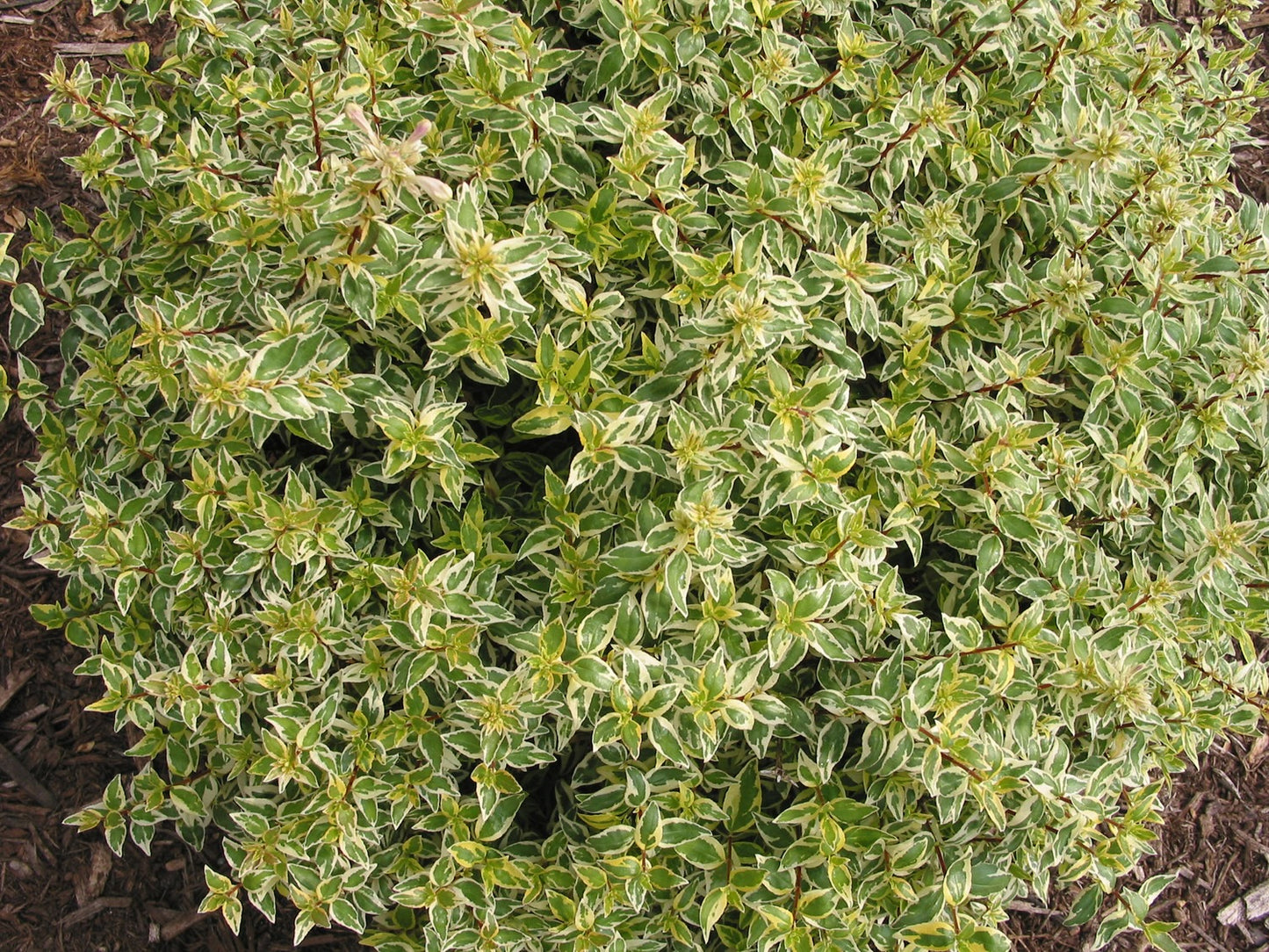
‘Kaleidoscope’ features variegated leaves that change color throughout the seasons, blooming with fragrant white flowers from late spring to fall, and is ideal for small gardens and containers. ‘Confetti’ is a compact shrub with variegated leaves of green, cream, and pink, producing pale pink flowers from mid-summer to fall, and is drought-tolerant once established. Pair dwarf abelia with taller evergreens to create layered foundation plantings with texture, fragrance and ever changing foliage.
Privacy Hedges and Screens
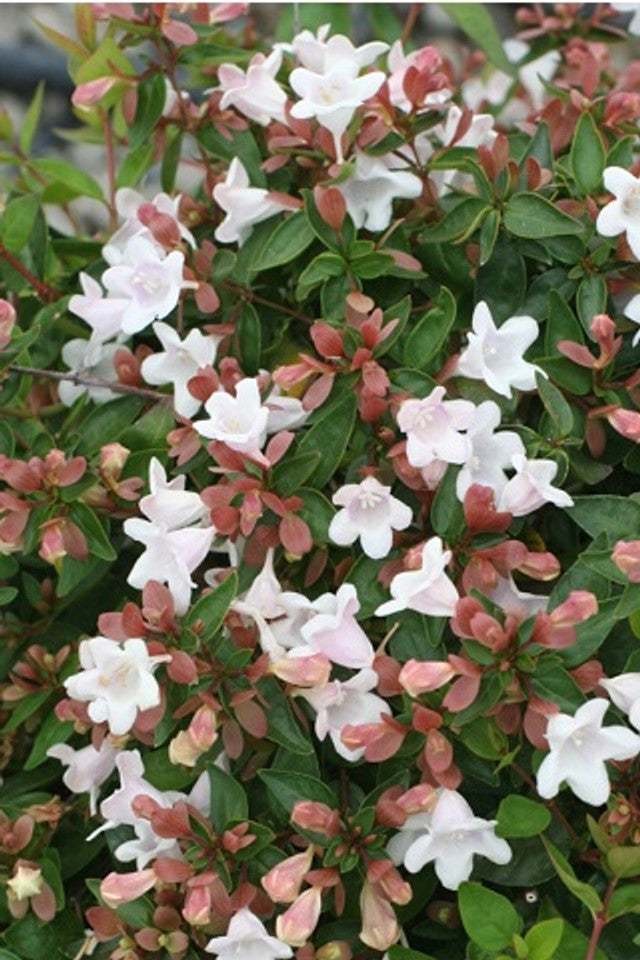
For natural screening, glossy abelia is a reliable shrub with arching branches, glossy green leaves and a long flowering season, and you can also use evergreen Carolina Cherry Laurel hedges for dense, year-round privacy. Abelia x grandiflora, commonly known as Glossy Abelia, is a hybrid shrub that blooms continuously from late spring to fall, featuring pink-tinged, white flowers and glossy dark green leaves that turn purplish-bronze in the fall.
Standard-sized abelia varieties such as ‘Edward Goucher’ work well where you want a semi evergreen shrub around 4 to 6 feet tall and wide. Abelia ‘Edward Goucher’ is a semi-evergreen hybrid that produces abundant lavender-pink flowers with red calyces, thriving in USDA hardiness zones 6 to 9 and is known for its shade tolerance. Space plants for their mature feet wide measurement so each abelia plant has room for air circulation, healthy roots and a graceful arching form.
Ornamental Borders and Accents
Use variegated abelias as focal points in colorful borders, mixed perennial plantings and Mediterranean garden style designs. Green variegated leaves, bright yellow edges, lime green new growth, red stems and purplish bronze seasonal tones can add movement and contrast from early summer into early fall.
Abelia’s long bloom period and colorful foliage make it an excellent choice for attracting pollinators, enhancing the ecological value of gardens. Add fragrant-blooming types near patios, paths and seating areas so bees, butterflies and hummingbirds can visit the nectar-rich blossoms while you enjoy lightly fragrant flowers close by.
Choose the Right Abelia for Your Garden Conditions
Matching the right variety to your specific site conditions ensures thriving plants and maximum garden impact. Abelias thrive best in full sun to partial shade, with full sun producing the most abundant blooms and vibrant foliage colors.
For Full Sun Areas
Plant abelia radiance, ‘Sunrise’ and other sun-loving selections where they receive bright California light and well drained soil. Full sun encourages abundant blooms, stronger foliage color and compact growth, especially in varieties grown for vibrant green foliage, yellow margins or warm rose, orange and bronze seasonal tones.
In hot inland locations, choose heat tolerant abelia varieties and allow enough space between plants to reduce stress during the growing season. Combine them with drought tolerant companions for water-wise designs that still deliver fragrant blooms, white flowers, pink flowers and colorful foliage.
For Partial Shade Locations
For filtered light, morning sun or north-facing garden beds, choose varieties known to perform in partial shade. ‘Edward Goucher’ is especially useful because it is known for its shade tolerance while still producing lavender-pink flowers and red calyces.
Green-leaved types often hold vigor better in lower light than heavily variegated selections. Use dark green leaves, glossy green foliage and lightly fragrant tubular flowers to brighten shaded corners, or plant abelia with other shade-adapted California-friendly shrubs and ornamental grasses for shade for a cohesive, layered landscape.
For Small Spaces and Containers
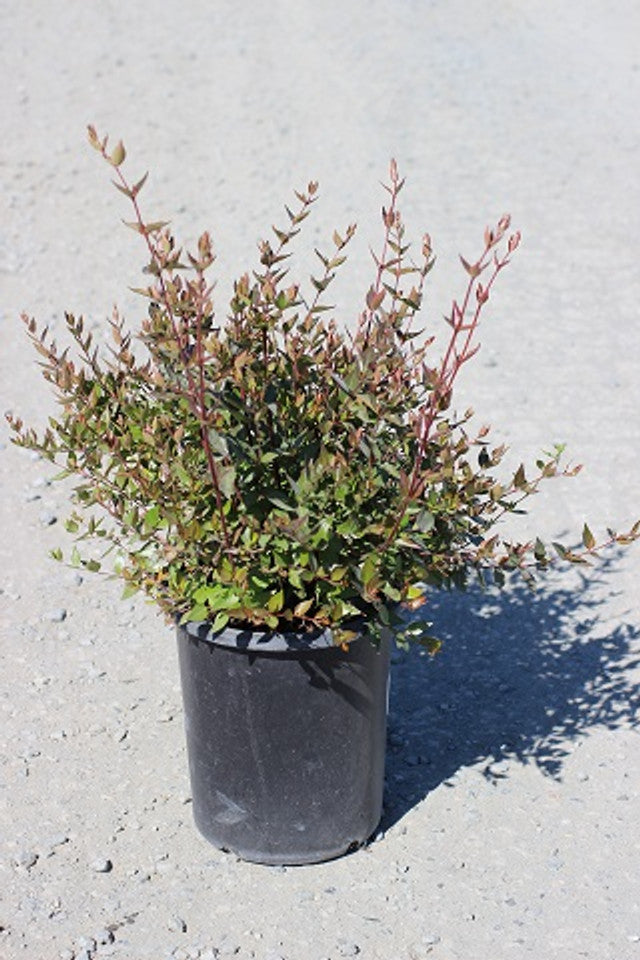
Select dwarf abelia varieties such as ‘Little Richard’ and ‘Nana’ when you need plants that stay around 3 feet tall or similarly compact. Many modern abelias are heavily hybridized versions of Abelia × grandiflora or Abelia chinensis meant specifically for compact spaces, containers, and borders.
Choose colorful foliage for maximum impact in balconies, small courtyards and patio containers. A compact abelia plant with a mounding habit can bring glossy green, cream, pink or bright yellow tones into tight spaces while still offering fragrant white flowers, pink buds and bell shaped flowers through the season.
For Large Landscapes and Mass Plantings
In larger landscapes, plant standard grandiflora abelia and other hardy shrubs, such as Waxleaf Privet evergreen hedges, in sweeps for reliable coverage and dramatic seasonal color. Their upright, arching form is especially effective along long borders, driveways and open slopes.
These shrubs are particularly effective for erosion control when massed along slopes or hillsides, providing both beauty and functionality in landscape design, especially when combined with other evergreen screening shrubs like Glossy Privet for structure and coverage. Plan around mature sizes, since abelia shrubs can range from 2 to 10 feet tall and 2 to 8 feet wide, depending on the variety.
Outstanding Plant Characteristics
Abelia shrubs offer unique combinations of features that make them standout choices for California gardens, especially when combined with Black Sage (Salvia mellifera) and other drought-tolerant pollinator shrubs. Most abelia species exhibit evergreen habits in warm zones and deciduous tendencies in colder regions, giving many varieties a semi evergreen character across a wide range of climates.
Colorful Foliage That Changes Seasonally
The leaves of Abelia are oval and pointed, typically glossy green or yellow, and can display seasonal color changes, including hints of rose, orange, bronze, or burgundy. This makes abelia valuable even when the plant is not covered in flowers.
Foliage of abelia often exhibits colors transitioning to bronze, red, or purple in autumn. Choose varieties with vibrant foliage, green leaves, dark green glossy surfaces, yellow variegation or purplish bronze winter tones to create year-round structure and color in garden beds.
Fragrant Blooms from Spring to Fall
Abelia produces tubular flowers that are usually fragrant, blooming in clusters from late spring to fall, with colors ranging from white to pink and yellow. Each abelia flower is often small and bell shaped, but the effect is generous because many varieties produce continuous blooms over a long season.
The fragrant nectar-rich blossoms of abelia attract pollinators such as bees, butterflies, and hummingbirds, and pairing them with Little Gem Dwarf Southern Magnolia trees can extend bloom interest and habitat throughout the garden. Varieties with fragrant white flowers, pink flowers, pink buds or lightly fragrant flowers are especially valuable near walkways, patios and seating areas.
Low-Maintenance and Deer-Resistant Qualities
Abelia is extremely hardy, heat-tolerant, and exceptionally deer-resistant, which makes it a strong choice for California landscapes where durability matters, especially when planted alongside Bay Laurel and other evergreen backbone plants for long-term structure. Once established, many varieties are also drought tolerant and adaptable to different garden conditions.
These flowering shrubs require minimal care compared with many ornamental plants. Their low maintenance nature, natural pest resistance and flexible pruning needs make them suitable for both experienced gardeners and newer homeowners looking for a reliable shrub with high visual return, particularly when paired with flowering trees for added height and bloom in the landscape.
How to Plant and Care for Abelia
Proper planting and establishment practices ensure your abelia thrives in California’s Mediterranean climate. Abelia prefers slightly acidic, organically rich soil that is well-draining and kept moderately moist, but it is tolerant of a variety of soil conditions.
Planting Best Practices
Plant abelia in fall or early spring so roots can establish before summer heat, taking advantage of local plant nursery support from Yardwork for timing and selection guidance. When planting Abelia, dig a hole twice the width of the root ball and not quite as deep as the root ball is tall, ensuring the top of the root ball is slightly above ground level.
In heavier California clay, mix compost into the surrounding soil to improve drainage and root development, and consider professional guidance when selecting fast-growing privacy trees and shrubs to complement your abelias. After planting, water deeply and add a 2- to 3-inch organic mulch layer, keeping mulch slightly away from the stems to protect the crown.
Ongoing Care and Maintenance
Water Abelia deeply once or twice a week during the summer, especially while the plant is establishing, and it will become drought-tolerant once established after 2 to 3 months. Continue occasional deep watering during dry spells for fuller growth, better foliage color and stronger bloom performance.
Prune in late winter or early spring, before the flush of new wood, to shape the plant and remove dead or damaged branches. Abelias bloom on new wood, so a light trim in winter or early spring supports flowering; deadheading spent flowers is usually not required, but gentle shaping after bloom can keep the plant tidy. Apply slow-release fertilizer in early spring for strong growth, fragrant blooms and healthy foliage through the growing season.
Shop Premium Abelia Plants at Yardwork
Explore our carefully selected collection of abelia varieties chosen specifically for California gardens. Each plant is grown for optimal performance and delivered ready to thrive in your landscape.
Browse compact varieties for small gardens, containers and colorful borders, or select standard sizes for privacy hedges, foundation plantings and broad landscape beds. Choose proven cultivars with exceptional foliage color, abundant blooms and dependable garden performance, including glossy abelia, abelia radiance, ‘Kaleidoscope’, ‘Confetti’, ‘Little Richard’, ‘Edward Goucher’ and sweet emotion.
Abelia ‘Sweet Emotion’ is known for its fragrant flowers and vibrant fall foliage, thriving in various soil types and is suitable for both novice and experienced gardeners. Request a consultation to determine the best abelia varieties for your specific garden conditions.